Harvey Weinstein's Rape Retrial Ends in Mistrial
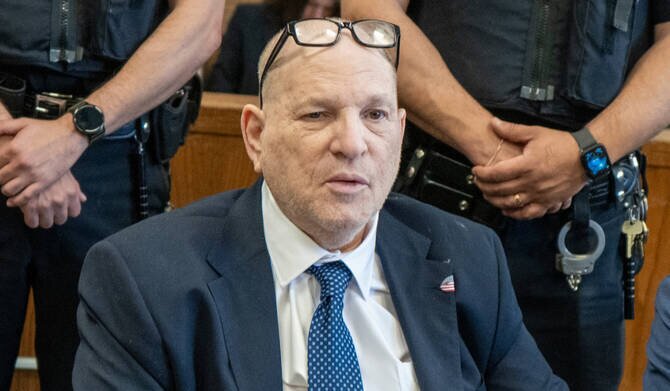
Jurors deadlocked in Harvey Weinstein’s rape retrial on Friday, leading to another mistrial in a case that has gone to trial three times. The former Hollywood mogul, who was convicted of other sex crimes and is currently behind bars, appeared expressionless as court officers wheeled him out.
Weinstein's lawyers argued that the encounter with Jessica Mann, a hairstylist and actor, was consensual. It happened in 2013 during a tumultuous relationship between Weinstein, then-married, and Mann, who was decades younger.
The majority-male jury expressed frustration with their inability to reach a verdict, questioning Mann's credibility due to discrepancies in her testimony. Both the defense and prosecution have different views on the mistrial's impact and whether another trial will occur.
Mann stated that the mistrial does not detract from the truth she shared. She faced public scrutiny while seeking justice but remains resolute in her pursuit of accountability for Weinstein's actions, highlighting the ongoing power dynamic that pervades such cases.
Weinstein has maintained his innocence throughout, stating that he acted improperly but never committed assault. The jury heard testimony from Mann detailing how she resisted and eventually complied with Weinstein's demands, while the defense portrayed her as a willing participant in their relationship, one that lasted for several years post-incident.
The case has seen multiple twists since the allegations came to light in 2017, including overturned convictions and retrials. As the #MeToo movement unfolded, Weinstein became a central figure, leading to his downfall and criminal charges in New York and Los Angeles. Despite his conviction in 2020 being overturned on appeal, the ongoing legal battles continue to reflect the complexities and challenges of proving sexual assault cases within the broader context of societal power dynamics and victim credibility.