Greece and Saudi Arabia Forge Shared Position on Shipping Decarbonisation Debate at IMO
Athens and Riyadh align with other key delegations in backing postponement of the International Maritime Organization’s Net Zero Framework vote amid broader negotiations on maritime climate policy
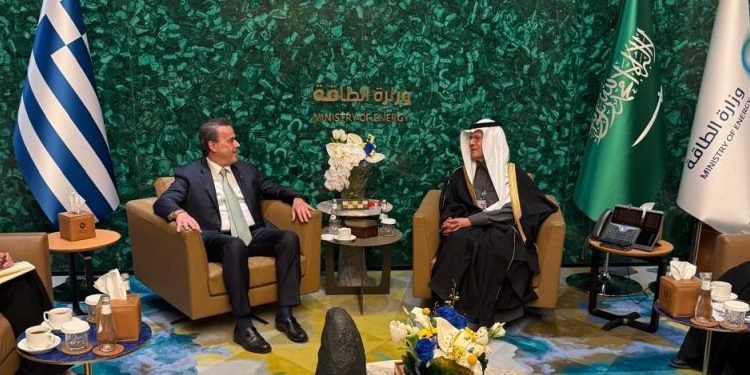
Greece and Saudi Arabia have underscored a joint stance in deliberations at the United Nations’ International Maritime Organization over the future of global shipping climate policy, highlighting a shared pragmatic approach to the contentious Net Zero Framework.
Representatives from both countries, speaking during discussions in London, emphasised their support for deferring the decision on the NZF — a proposed emissions pricing mechanism intended to guide the decarbonisation of international shipping — to allow further consultations and refinement of the policy.
The motion to postpone the framework’s adoption was adopted by a narrow majority of member states, with Greece among a group that abstained while other significant delegations either backed the delay or voiced similar calls for extended negotiations.
This collective position reflects broader concerns among major maritime economies about ensuring consensus, technical readiness and equitable implementation before committing to binding global rules.
The Net Zero Framework, drafted under MARPOL Annex VI, was designed to introduce a carbon price on maritime emissions, creating an incentive for shipowners to transition to cleaner fuels and technologies.
However, the extraordinary session of the IMO’s Marine Environment Protection Committee saw divisions emerge over the pace and design of the proposal, with countries including Saudi Arabia moving to adjourn proceedings for up to a year.
Greece’s maritime leadership, leveraging its status as one of the world’s leading shipping nations and a longstanding IMO Council member, argued that additional time is necessary to balance ambition with operational and economic realities facing the global fleet.
As a result, delegates agreed to continue work on the framework through intersessional meetings and further dialogue ahead of a future vote, reflecting a careful, consultative path forward.
The discussions involving Greece and Saudi Arabia also took place against the backdrop of both states’ active engagement within the IMO Council, where Riyadh has secured membership and Greece continues to play a prominent role.
Both capitals have championed collaborative efforts to ensure that any global regulatory regime for emissions reduction is realistic, technically sound and supported by broad international consensus.
With shipping responsible for a significant share of international trade and facing increasing decarbonisation pressures, the combined approach of Greece and Saudi Arabia signals a moment of notable diplomatic coordination that could shape the next phase of IMO climate negotiations.
Representatives from both countries, speaking during discussions in London, emphasised their support for deferring the decision on the NZF — a proposed emissions pricing mechanism intended to guide the decarbonisation of international shipping — to allow further consultations and refinement of the policy.
The motion to postpone the framework’s adoption was adopted by a narrow majority of member states, with Greece among a group that abstained while other significant delegations either backed the delay or voiced similar calls for extended negotiations.
This collective position reflects broader concerns among major maritime economies about ensuring consensus, technical readiness and equitable implementation before committing to binding global rules.
The Net Zero Framework, drafted under MARPOL Annex VI, was designed to introduce a carbon price on maritime emissions, creating an incentive for shipowners to transition to cleaner fuels and technologies.
However, the extraordinary session of the IMO’s Marine Environment Protection Committee saw divisions emerge over the pace and design of the proposal, with countries including Saudi Arabia moving to adjourn proceedings for up to a year.
Greece’s maritime leadership, leveraging its status as one of the world’s leading shipping nations and a longstanding IMO Council member, argued that additional time is necessary to balance ambition with operational and economic realities facing the global fleet.
As a result, delegates agreed to continue work on the framework through intersessional meetings and further dialogue ahead of a future vote, reflecting a careful, consultative path forward.
The discussions involving Greece and Saudi Arabia also took place against the backdrop of both states’ active engagement within the IMO Council, where Riyadh has secured membership and Greece continues to play a prominent role.
Both capitals have championed collaborative efforts to ensure that any global regulatory regime for emissions reduction is realistic, technically sound and supported by broad international consensus.
With shipping responsible for a significant share of international trade and facing increasing decarbonisation pressures, the combined approach of Greece and Saudi Arabia signals a moment of notable diplomatic coordination that could shape the next phase of IMO climate negotiations.