Smartwatches and digital health technology for heart monitoring
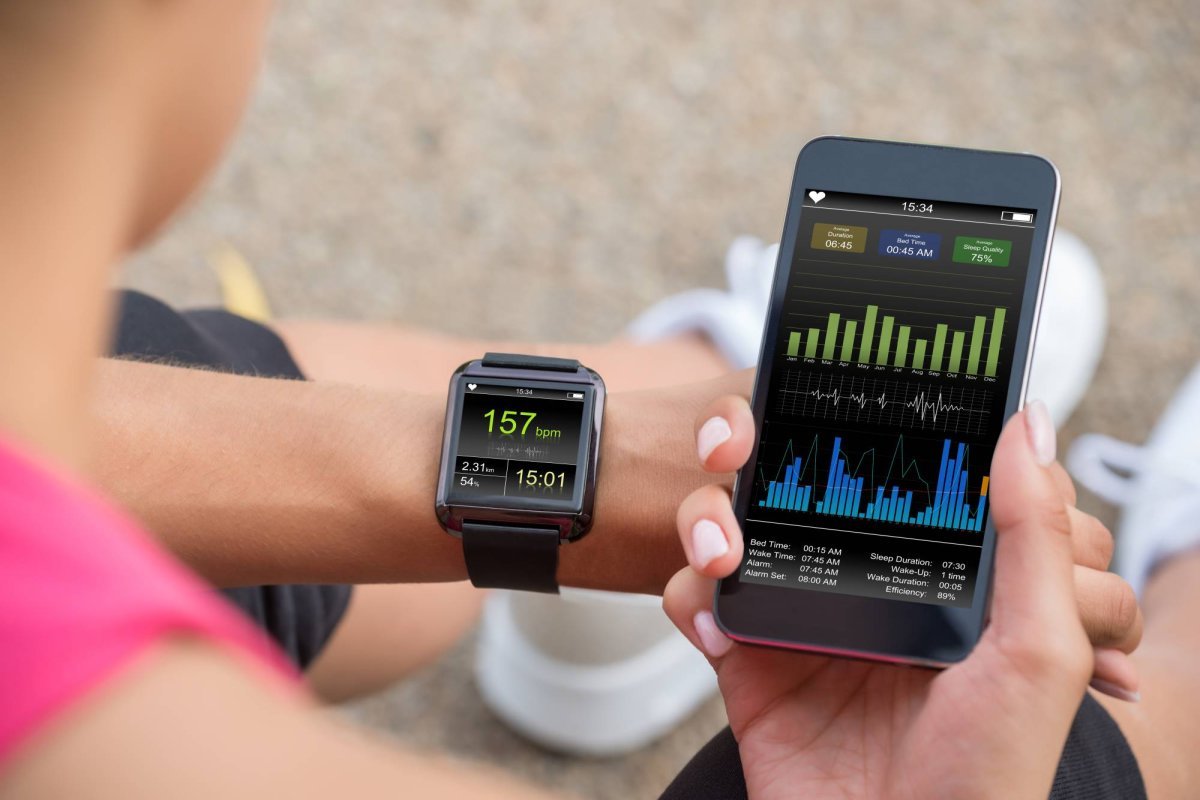
Smartwatches and digital health technologies for heart monitoring are currently hot topics in the medical field.
These wearable devices hold not only medical significance but also a high psychological value for their users, and they are gaining increasing economic importance.
The spread of digital health technologies
With the use of smartwatches reaching around 300 million users worldwide, both for monitoring medical conditions and for simply tracking fitness performance levels and changes (Fitness Tracking), many economic sources anticipate the market for wearable digital health technologies to expand at a compound annual growth rate (CAGR) of approximately 15%, exceeding a market size of $80 billion annually in the coming years.
Once primarily targeting hospitals, healthcare facilities, and clinics for medical staff to monitor patients, the market for these technologies has now greatly expanded to include the general public as direct-to-consumer devices (D2C).
This surge in popularity among a broad spectrum of users across various age groups, and for use in non-medical facility settings, has driven companies to further develop their technological aspects. This is to detect and monitor various physical and psychological conditions in order to continue attracting consumers, especially with the ongoing competition between these companies.
Medical challenges
For medical professionals, utilizing wearable digital health technologies for heart monitoring represents a challenge that requires more scientific and research efforts to maximize the benefits of these applications. Understanding the implications of observed heart rate irregularities and other vital signs monitored by these devices is crucial in ensuring accurate measurement and practical use by both patients and healthy individuals.
The February issue of the Journal of the American College of Cardiology (JACC) illustrates the significance of this trend by publishing a scientific statement on "The Promises and Challenges of Consumer Mobile Phone Technologies in Cardiovascular Care: (JACC) Scientific Statement”. The key points included in the statement are:
- Wearable devices offer accessible and affordable health care data, potentially facilitating the management of cardiovascular disorders.
- Concerns exist regarding the accuracy, value, and unintended psychological responses to data derived from wearable devices.
- These devices promise new models for disease screening, diagnosis, and management, laying the groundwork for personalized medicine.
It is no coincidence that the January 25th issue of the New England Journal of Medicine (N Engl J Med) features a scientific review entitled "Wearable Digital Health Technologies in Cardiovascular Medicine", and the January issue of the Cleveland Clinic Journal of Medicine includes two scientific reviews on the same subject: "Wearable heart-monitoring devices: where do we stand?" and "Direct-to-consumer wearable heart-monitoring devices: What do they do well, and what needs improvement?".
A search for "wearable digital health technologies" on the globally recognized medical site PubMed yields results for 39 medical studies published since the beginning of this year, discussing not only current uses in cardiovascula
The spread of digital health technologies
With the use of smartwatches reaching around 300 million users worldwide, both for monitoring medical conditions and for simply tracking fitness performance levels and changes (Fitness Tracking), many economic sources anticipate the market for wearable digital health technologies to expand at a compound annual growth rate (CAGR) of approximately 15%, exceeding a market size of $80 billion annually in the coming years.
Once primarily targeting hospitals, healthcare facilities, and clinics for medical staff to monitor patients, the market for these technologies has now greatly expanded to include the general public as direct-to-consumer devices (D2C).
This surge in popularity among a broad spectrum of users across various age groups, and for use in non-medical facility settings, has driven companies to further develop their technological aspects. This is to detect and monitor various physical and psychological conditions in order to continue attracting consumers, especially with the ongoing competition between these companies.
Medical challenges
For medical professionals, utilizing wearable digital health technologies for heart monitoring represents a challenge that requires more scientific and research efforts to maximize the benefits of these applications. Understanding the implications of observed heart rate irregularities and other vital signs monitored by these devices is crucial in ensuring accurate measurement and practical use by both patients and healthy individuals.
The February issue of the Journal of the American College of Cardiology (JACC) illustrates the significance of this trend by publishing a scientific statement on "The Promises and Challenges of Consumer Mobile Phone Technologies in Cardiovascular Care: (JACC) Scientific Statement”. The key points included in the statement are:
- Wearable devices offer accessible and affordable health care data, potentially facilitating the management of cardiovascular disorders.
- Concerns exist regarding the accuracy, value, and unintended psychological responses to data derived from wearable devices.
- These devices promise new models for disease screening, diagnosis, and management, laying the groundwork for personalized medicine.
It is no coincidence that the January 25th issue of the New England Journal of Medicine (N Engl J Med) features a scientific review entitled "Wearable Digital Health Technologies in Cardiovascular Medicine", and the January issue of the Cleveland Clinic Journal of Medicine includes two scientific reviews on the same subject: "Wearable heart-monitoring devices: where do we stand?" and "Direct-to-consumer wearable heart-monitoring devices: What do they do well, and what needs improvement?".
A search for "wearable digital health technologies" on the globally recognized medical site PubMed yields results for 39 medical studies published since the beginning of this year, discussing not only current uses in cardiovascula