Türkiye Deepens Strategic Ties with Saudi Arabia and Egypt in Major Regional Outreach
President Erdoğan’s diplomatic tour yields closer cooperation with Riyadh and Cairo on economic, security and Middle East crises including Gaza and Syria
Turkish President Recep Tayyip Erdoğan has significantly strengthened Ankara’s relations with Saudi Arabia and Egypt during high-level visits that signal an evolving strategic alignment across the Middle East.
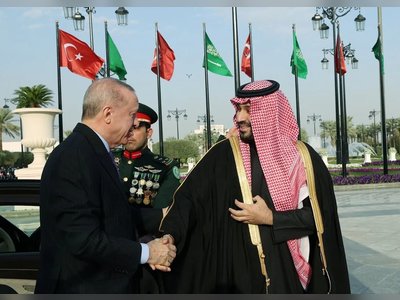
In Riyadh, Erdoğan held talks with Saudi Crown Prince Mohammed bin Salman, where both leaders agreed to elevate bilateral cooperation across economic, energy and defence sectors and reaffirmed shared positions on regional challenges, including the humanitarian situation in Gaza and security developments in Syria.
Erdoğan emphasised the strategic importance of Turkey–Saudi ties, which he described as integral to regional peace, stability and prosperity, and signalled Ankara’s readiness to expand consultation on pressing issues such as Gaza, Syria and broader Middle East dynamics.
Saudis and Turks also discussed reconstruction support for Syria and steps to deepen defence cooperation, underscoring a mutual interest in strengthening institutional ties.
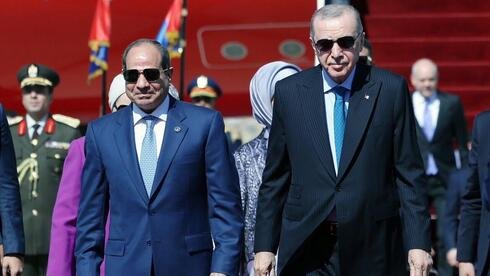
After Riyadh, Erdoğan travelled to Cairo where he met Egyptian President Abdel Fattah el-Sisi to co-chair the second meeting of the Turkey–Egypt High-Level Strategic Co-operation Council and oversee the signing of multiple partnership agreements.
The two presidents sealed a suite of eighteen agreements on defence, tourism, health, agriculture and other sectors, while reiterating their commitment to implementing the Gaza truce agreement and intensifying humanitarian aid delivery.
El-Sisi and Erdoğan also discussed broader regional issues including Sudan, Libya and efforts to de-escalate tensions related to Iran’s nuclear programme, reflecting a convergence of views on major Middle Eastern flashpoints.
The visits mark a notable shift in regional diplomacy, with Ankara, Riyadh and Cairo articulating shared interests in stabilising conflict zones, enhancing economic links and coordinating on geopolitical challenges.
Officials emphasised trade and investment expansion, with plans to raise economic exchange and build robust long-term partnerships, while continuing to advocate for durable solutions to the humanitarian crisis in Gaza and the political reconstruction of Syria.
The sequence of engagements underscores Ankara’s intention to solidify its role in a network of influential regional actors and reflects a pragmatic approach to foreign policy that prioritises cooperation on security, economic development and collective responses to ongoing regional crises.
In Riyadh, Erdoğan held talks with Saudi Crown Prince Mohammed bin Salman, where both leaders agreed to elevate bilateral cooperation across economic, energy and defence sectors and reaffirmed shared positions on regional challenges, including the humanitarian situation in Gaza and security developments in Syria.
Erdoğan emphasised the strategic importance of Turkey–Saudi ties, which he described as integral to regional peace, stability and prosperity, and signalled Ankara’s readiness to expand consultation on pressing issues such as Gaza, Syria and broader Middle East dynamics.
Saudis and Turks also discussed reconstruction support for Syria and steps to deepen defence cooperation, underscoring a mutual interest in strengthening institutional ties.
After Riyadh, Erdoğan travelled to Cairo where he met Egyptian President Abdel Fattah el-Sisi to co-chair the second meeting of the Turkey–Egypt High-Level Strategic Co-operation Council and oversee the signing of multiple partnership agreements.
The two presidents sealed a suite of eighteen agreements on defence, tourism, health, agriculture and other sectors, while reiterating their commitment to implementing the Gaza truce agreement and intensifying humanitarian aid delivery.
El-Sisi and Erdoğan also discussed broader regional issues including Sudan, Libya and efforts to de-escalate tensions related to Iran’s nuclear programme, reflecting a convergence of views on major Middle Eastern flashpoints.
The visits mark a notable shift in regional diplomacy, with Ankara, Riyadh and Cairo articulating shared interests in stabilising conflict zones, enhancing economic links and coordinating on geopolitical challenges.
Officials emphasised trade and investment expansion, with plans to raise economic exchange and build robust long-term partnerships, while continuing to advocate for durable solutions to the humanitarian crisis in Gaza and the political reconstruction of Syria.
The sequence of engagements underscores Ankara’s intention to solidify its role in a network of influential regional actors and reflects a pragmatic approach to foreign policy that prioritises cooperation on security, economic development and collective responses to ongoing regional crises.