

Why Saudi patents still matter for growth and innovation
In some industries, patents are essential, although they do not strictly protect the technology from being infringed upon by competitors. The merely provide legal recourse if someone does so.
For inventors and entrepreneurs, intellectual property in the form of patents, trademarks and copyrights can be especially valuable, as patent registration protects the invention from being marketed, promoted and sold by a second party.
It is difficult to say exactly how many patents have been filed throughout history. The first is thought to date back to 1421, when an architect in Florence named Filippo Brunelleschi developed a crane for transporting marble from the nearby Carrara mountains.
Others believe the first patent was awarded to an inventor named John of Utynam, a Flemish glassmaker, in 1449.
The Apple keyboard used to write this article is patented by the US Patent and Trademark Office. The laptop was granted a design patent and the programs and systems to deliver the electronic document are patented as well.
In 2021, annual global intellectual property filings for patents, trademarks and designs reached an all-time high, with 3.4 million patent applications filed, 67.6 percent of which came from Asia.
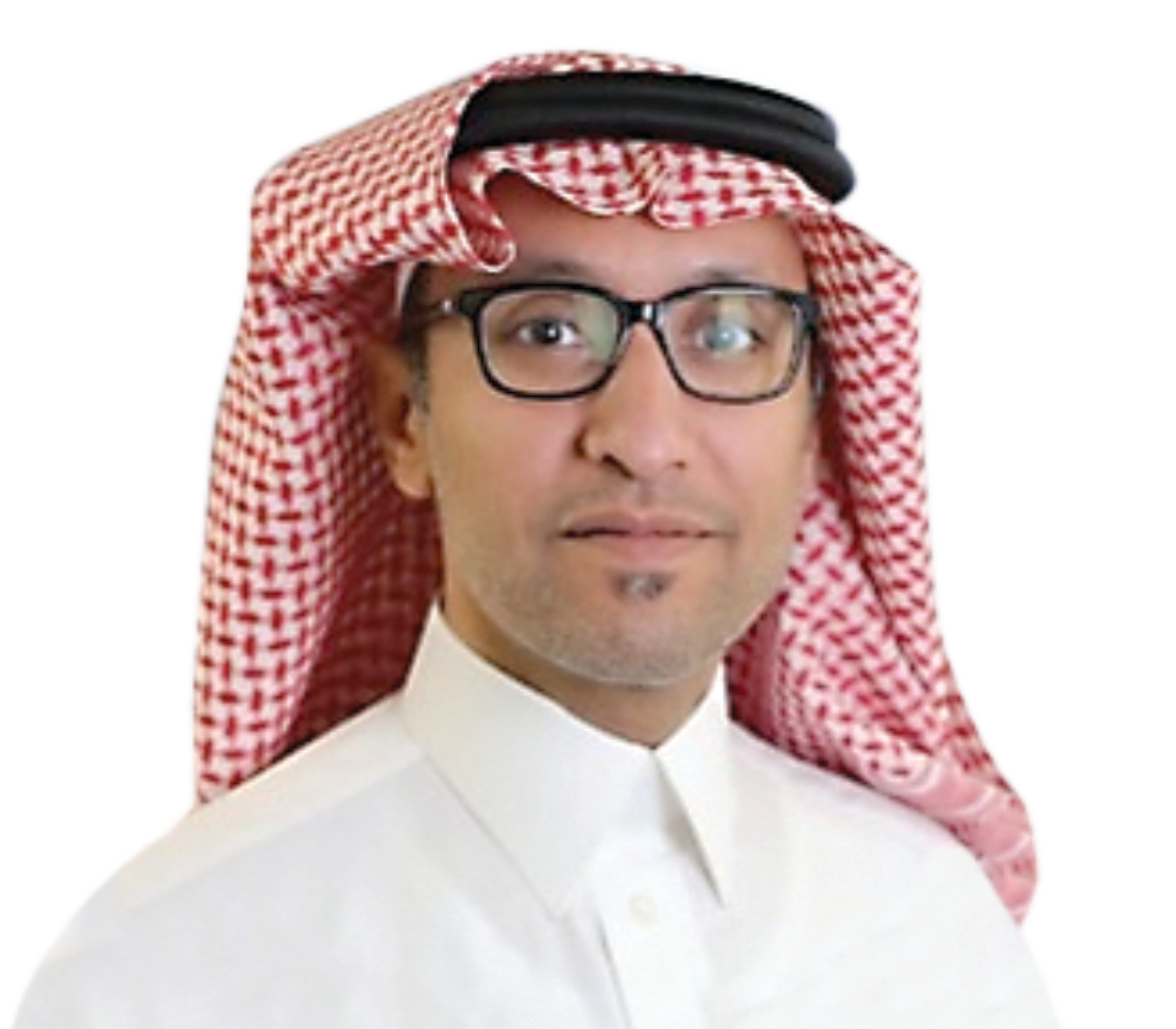 Khalid Alashgar, Patent manager and examiner at SAIP
In 2018, Saudi Arabia established the Saudi Authority for Intellectual Property, whose work was previously entrusted to the Saudi Ministry of Commerce. The move came as part of the Kingdom’s Vision 2030 reforms plan, which placed IP among its top priorities.
In 2022, Crown Prince Mohammed bin Salman launched the National Intellectual Property Strategy, aimed at building an IP ecosystem that supports innovation and a creative economy by developing an IP value chain that stimulates innovation and competitiveness, while promoting economic growth to ensure Saudi Arabia becomes a leader in IP. Some $267 million was allocated to support the strategy, to be distributed over five years until 2028.
IP protection and patent filing are not new concepts in the Kingdom, however. Saudi Arabia joined the World Intellectual Property Organization in 1982. Although there were relatively few Saudi patents in the early 1980s, the sector has boomed.
In 2022, the number of Saudi patents filed shot up compared with 2021. Some 5,837 patent applications were filed at SAIP, representing a 46.7 percent increase on the previous year, when the number was 3,979.
Institutions filed 81.8 percent of all patent applications, while individuals filed 18.1 percent. About 43 percent of the applications filed were in chemistry, metallurgy, and human needs affiliated with the oil, gas and health sectors.
Saudi Aramco held the highest number of patents globally as of 2021, with more than 40,000 filed and 16,882 granted. According to SAIP, Aramco topped the list of the top five institutions in terms of the number of patent documents issued, with 31 percent.
Khalid Alashgar, patent manager and examiner at SAIP, told Arab News that one of the reasons for the growing number of patents filed and registered could be the Kingdom’s move toward industrial expansion.
He also attributed the increase to “Saudi Arabia’s support and encouragement of research institutions for innovation and bearing the financial costs and burdens of patent registration.”
Alashgar added: “The reason the number of filed applications is high and grants low is also because all patents are subject to review and examination. Some might be granted, others rejected based on technical reports and the grant condition must be met, including ‘innovation.’ Applicants must ensure that their patent has never been used before and can be manufacturable.”
He also said that some patents are dropped due to late annual payment or examination or publication fees, and “not all patent applications are granted.”
Every few years the number of patents increases depending on particular circumstances, said Alashgar. For instance, the number of patents and IP applications surged during the COVID-19 pandemic and were primarily vaccine-related.
Nowadays, many companies are exploring patents in new nanotechnologies. In 2022, the highest number of patent applications filed were in computer technology, followed by digital communications — two fields that have grown thanks to the rise of tech-savvy entrepreneurs.
Many inventions and innovations are created to serve humanity. For Dr. Firas Alqarawi, a dentist based in Saudi Arabia’s Eastern Province, the thought of registering a patent was not even on his mind when he developed a method for better-fitting, ceramic, fixed partial dentures.
“It wasn’t until my supervisor pointed it out to me in grad school that I should patent this method,” Alqarawi told Arab News.
“I was finishing up my PhD at the time in the US and we were experimenting in the laboratory. Through trial and error, I found that the material used really held well and could be considered as a treatment method with long-term positive results that also saves time instead of starting a treatment plan from scratch.”
Doctors, inventors and entrepreneurs can use specific medical patents to protect a wide range of inventions, including drugs, devices, procedures and software. By giving such inventors a competitive edge, medical patents serve the essential purpose of promoting medical innovation.
Like many other technological fields, the medical industry enables its inventors to use patents and trade secrets to protect their innovations, providing them with the competitive advantage needed to build value and identity for their products or businesses.
“As with any treatment plan, all options are considered and that’s not to say that my patent is perfect,” said Alqarawi. “It is still in the initial phases and could be considered as an option for certain patients.
“It’s not a one-size-fits-all approach, nor is it a quick fix. The time and effort it takes to create something is worthy of a patent and as a doctor, I swore to do no harm and care for a patient’s well-being as a priority.”
Filed in 2015 at the US Patent and Trademark Office, it was only after several reviews that his patent was eventually granted in 2019. As with many patents, advancing to the manufacturing stage could take some time.
“With this patent granted, another is in the works as well, and as I’m back living and working in the Kingdom, I will be applying through SAIP,” said Alqarawi.
“I believe that many are aware of the importance of protecting their inventions.”