Saudi Press

Saudi Arabia and the world
Wednesday, Dec 24, 2025

The Microsoft Exchange hack shows attackers are working 'smarter, not harder,' experts say

The Microsoft Exchange hack shows attackers are working 'smarter, not harder,' experts say

Experts are still unsure of the hackers' motivations, and whether the incident may have been a "test run" for a larger attack.

News about a hack that impacted hundreds of thousands of global organizations has largely flown under the radar.

On March 3, Microsoft announced Hafnium, a Chinese-sponsored hacker group, exploited vulnerabilities in its Exchange email servers. Microsoft said hackers left behind "web shells," or tools that allow bad actors to access victims' systems remotely after initial access.

The attack impacted hundreds of thousands of organizations globally and 30,000 in the US. Experts recently told Insider's Aaron Holmes the hack could be "1,000 times more crippling" than the widely publicized SolarWinds attack.

Cyber security experts say though the Exchange server hack has not shocked Americans the way the SolarWinds attack did last year, but citizens must pay attention because of the likely increase in hacks this year and the different ways bad actors are exploiting victims.

"This attack underscores just how vulnerable even the most secure organizations or individuals are when targeted by skilled cybercriminals," Marcin Klecyznski, the CEO of Malwarebytes, told Insider.
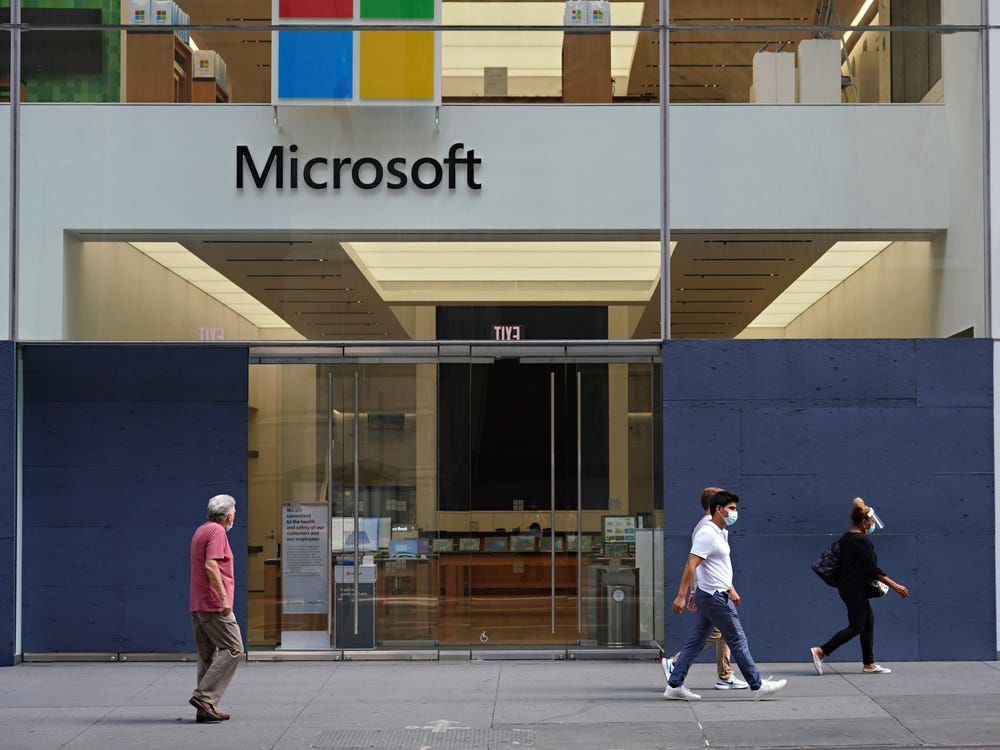
Microsoft announced a hack in its Exchange email servers on March 3.

Why you should care about the attack


One takeaway from the Exchange Server attack is that no one is safe from a hack.

Microsoft is an industry leader that accelerated cloud-based security efforts as offices transitioned to remote work during the pandemic. But getting hacked means companies need to develop software with security in every step, as well as have an incident response plan to patch flaws and notify users, per Jonathan Knudsen, a senior security strategist at Synopsys Software Integrity Group.

The hack also suggests cybercriminals are working "smarter, not harder," said Klecyznski. Bad actors know IT security teams' resources have become more stretched due to the rise in remote work, and hackers are looking to advantage of that gap in oversight, he said.

Knudsen advises anyone responsible for a Microsoft Exchange server to patch the system and check for signs of an attack. Systems administrators also need to update servers and carefully examine systems at all times, because hackers can have access to a device for months or years before someone notices.

Kelvin Coleman, the executive director at the National Cyber Security Alliance, said security experts are still unsure of the hackers' motivations, and whether the incident may have been a "test run" for a larger attack — which makes protecting user accounts with quality passwords and multi-factor authentication imperative.

"It can impact a lot of things if folks don't have confidence that their information is protected and secure," Coleman said.

How the Microsoft Exchange hack differs from other attacks


SolarWinds hackers were able to spy on federal agencies like the Department of Homeland Security and Treasury Department. Coleman said the Microsoft attack has received relatively less media attention due to the victims being small- to mid-size organizations and local governments, but that still leaves systems and personal information vulnerable.

The attack also differs from others because hackers did not need to interact with victims to get access to their information, said Ben Read, the senior manager for Cyber Espionage Analysis in FireEye's Intelligence unit. Unlike a phishing scam, which relies on users clicking into a link with malware, the Exchange Server attack gave hackers more control.

Read said that, though this isn't the first time this kind of attack happened, there's been a rise in vulnerabilities in web-facing applications in the past 18 months. Analysts predict cyber attacks will dramatically increase this year as hackers exploit uncertainty around COVID-19 and take advantage of remote workers.

"The sheer number of victims makes it a big deal," Read said in an interview with Insider. "Anyone who hasn't taken mitigation efforts...they're vulnerable as other groups kind of figure out how to exploit these vulnerabilities."

Newsletter

Related Articles

Saudi Press
0:00
0:00
Close
Saudi Arabia’s 2025: A Pivotal Year of Global Engagement and Domestic Transformation
Saudi Arabia to Introduce Sugar-Content Based Tax on Sweetened Drinks from January 2026
Saudi Hotels Prepare for New Hospitality Roles as Alcohol Curbs Ease
Global Airports Forum Highlights Saudi Arabia’s Emergence as a Leading Aviation Powerhouse
Saudi Arabia Weighs Strategic Choice on Iran Amid Regional Turbulence
Not Only F-35s: Saudi Arabia to Gain Access to the World’s Most Sensitive Technology
Saudi Arabia Condemns Sydney Bondi Beach Shooting and Expresses Solidarity with Australia
Washington Watches Beijing–Riyadh Rapprochement as Strategic Balance Shifts
Saudi Arabia Urges Stronger Partnerships and Efficient Aid Delivery at OCHA Donor Support Meeting in Geneva
Saudi Arabia’s Vision 2030 Drives Measurable Lift in Global Reputation and Influence
Alcohol Policies Vary Widely Across Muslim-Majority Countries, With Many Permitting Consumption Under Specific Rules
Saudi Arabia Clarifies No Formal Ban on Photography at Holy Mosques for Hajj 2026
Libya and Saudi Arabia Sign Strategic MoU to Boost Telecommunications Cooperation
Elon Musk’s xAI Announces Landmark 500-Megawatt AI Data Center in Saudi Arabia
Israel Moves to Safeguard Regional Stability as F-35 Sales Debate Intensifies
Cardi B to Make Historic Saudi Arabia Debut at Soundstorm 2025 Festival
U.S. Democratic Lawmakers Raise National Security and Influence Concerns Over Paramount’s Hostile Bid for Warner Bros. Discovery
Hackers Are Hiding Malware in Open-Source Tools and IDE Extensions
Traveling to USA? Homeland Security moving toward requiring foreign travelers to share social media history
Wall Street Analysts Clash With Riyadh Over Saudi Arabia’s Deficit Outlook
Trump and Saudi Crown Prince Cement $1 Trillion-Plus Deals in High-Profile White House Summit
Saudi Arabia Opens Alcohol Sales to Wealthy Non-Muslim Residents Under New Access Rules
U.S.–Saudi Rethink Deepens — Washington Moves Ahead Without Linking Riyadh to Israel Normalisation
Saudi Arabia and Israel Deprioritise Diplomacy: Normalisation No Longer a Middle-East Priority
Saudi Arabia Positions Itself as the Backbone of the Global AI Era
As Trump Deepens Ties with Saudi Arabia, Push for Israel Normalization Takes a Back Seat
Thai Food Village Debuts at Saudi Feast Food Festival 2025 Under Thai Commerce Minister Suphajee’s Lead
Saudi Arabia Sharpens Its Strategic Vision as Economic Transformation Enters New Phase
Saudi Arabia Projects $44 Billion Budget Shortfall in 2026 as Economy Rebalances
OPEC+ Unveils New Capacity-Based System to Anchor Future Oil Output Levels
Will Saudi Arabia End Up Bankrolling Israel’s Post-Ceasefire Order in Lebanon?
Saudi Arabia’s SAMAI Initiative Surpasses One-Million-Citizen Milestone in National AI Upskilling Drive
Saudi Arabia’s Specialty Coffee Market Set to Surge as Demand Soars and New Exhibition Drops in December
Saudi Arabia Moves to Open Two New Alcohol Stores for Foreigners Under Vision 2030 Reform
Saudi Arabia’s AI Ambitions Gain Momentum — but Water, Talent and Infrastructure Pose Major Hurdles
Tensions Surface in Trump-MBS Talks as Saudi Pushes Back on Israel Normalisation
Saudi Arabia Signals Major Maritime Crack-Down on Houthi Routes in Red Sea
Italy and Saudi Arabia Seal Over 20 Strategic Deals at Business Forum in Riyadh
COP30 Ends Without Fossil Fuel Phase-Out as US, Saudi Arabia and Russia Align in Obstruction Role
Saudi-Portuguese Economic Horizons Expand Through Strategic Business Council
DHL Commits $150 Million for Landmark Logistics Hub in Saudi Arabia
Saudi Aramco Weighs Disposals Amid $10 Billion-Plus Asset Sales Discussion
Trump Hosts Saudi Crown Prince for Major Defence and Investment Agreements
Families Accuse OpenAI of Enabling ‘AI-Driven Delusions’ After Multiple Suicides
Riyadh Metro Records Over One Hundred Million Journeys as Saudi Capital Accelerates Transit Era
Trump’s Grand Saudi Welcome Highlights U.S.–Riyadh Pivot as Israel Watches Warily
U.S. Set to Sell F-35 Jets to Saudi Arabia in Major Strategic Shift
Saudi Arabia Doubles Down on U.S. Partnership in Strategic Move
Saudi Arabia Charts Tech and Nuclear Leap Under Crown Prince’s U.S. Visit
Trump Elevates Saudi Arabia to Major Non-NATO Ally Amid Defense Deal
×