Thailand's $31 Billion 'Land Bridge' Plan: A Strategic Response to Strait of Hormuz Crisis
Thailand seeks Singapore investment for logistics link amid global shipping concerns.
Bangkok, Thailand - The escalating crisis in the Strait of Hormuz has prompted Thailand to reinvigorate its long-standing plan for a 'Land Bridge' project.
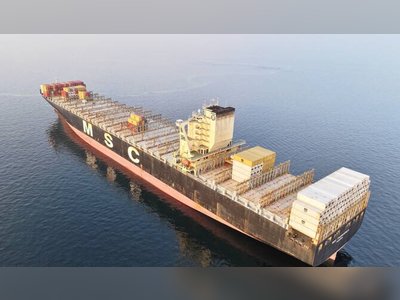
This strategic initiative aims to create a logistics link between the Indian and Pacific oceans, addressing vulnerabilities in global shipping chokepoints.
Thai authorities are currently pursuing Singapore as a potential investor for this ambitious project.
Thailand's government has revived the Land Bridge plan following disruptions in the Strait of Hormuz, which have highlighted the importance of alternative routes such as the nearby Malacca Strait.
The project envisions two deep-sea ports connected by 90 kilometers of road and rail infrastructure, along with energy pipelines.
The ultimate goal is to provide a reliable shipping route that bypasses the traditional chokepoints.
Transport Minister Phiphat Ratchakitprakarn announced plans for the project's revival, with an expected submission to the Thai cabinet in June or July.
Once approved, construction could begin as early as the third quarter.
The government aims to attract investors to fund the estimated 1 trillion baht ($30.97 billion) required for its implementation.
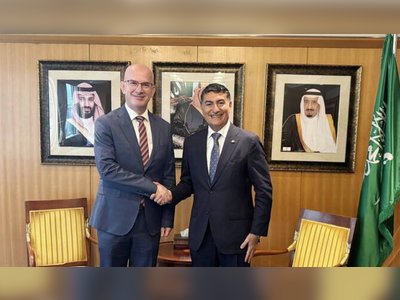
Thai Prime Minister Anutin Charnvirakul and Singapore's Defense Minister Chan Chun Sing met on Monday to discuss the project.
During their meeting, Charnvirakul emphasized the economic opportunities presented by this strategic logistics link.
According to Thai government spokesperson Rachada Dhanadirek, Chan expressed interest in participating as an investor.
This move by Thailand comes amid ongoing discussions about alternative solutions for the Malacca Strait.
Indonesia's Finance Minister recently suggested imposing tolls on ships passing through the strait, leading to widespread debate and clarification from the minister's office.
In contrast, the Land Bridge project has been viewed as more feasible than previous proposals like the Kra Canal, which faced significant environmental, financial, and security-related obstacles.
This strategic initiative aims to create a logistics link between the Indian and Pacific oceans, addressing vulnerabilities in global shipping chokepoints.
Thai authorities are currently pursuing Singapore as a potential investor for this ambitious project.
Thailand's government has revived the Land Bridge plan following disruptions in the Strait of Hormuz, which have highlighted the importance of alternative routes such as the nearby Malacca Strait.
The project envisions two deep-sea ports connected by 90 kilometers of road and rail infrastructure, along with energy pipelines.
The ultimate goal is to provide a reliable shipping route that bypasses the traditional chokepoints.
Transport Minister Phiphat Ratchakitprakarn announced plans for the project's revival, with an expected submission to the Thai cabinet in June or July.
Once approved, construction could begin as early as the third quarter.
The government aims to attract investors to fund the estimated 1 trillion baht ($30.97 billion) required for its implementation.
Thai Prime Minister Anutin Charnvirakul and Singapore's Defense Minister Chan Chun Sing met on Monday to discuss the project.
During their meeting, Charnvirakul emphasized the economic opportunities presented by this strategic logistics link.
According to Thai government spokesperson Rachada Dhanadirek, Chan expressed interest in participating as an investor.
This move by Thailand comes amid ongoing discussions about alternative solutions for the Malacca Strait.
Indonesia's Finance Minister recently suggested imposing tolls on ships passing through the strait, leading to widespread debate and clarification from the minister's office.
In contrast, the Land Bridge project has been viewed as more feasible than previous proposals like the Kra Canal, which faced significant environmental, financial, and security-related obstacles.