Syria’s Reintegration Drive in Riyadh Signals Pivotal Role in Middle Eastern Stability
Regional and international actors underscore Syria’s strategic centrality to security, reconstruction and diplomatic realignment
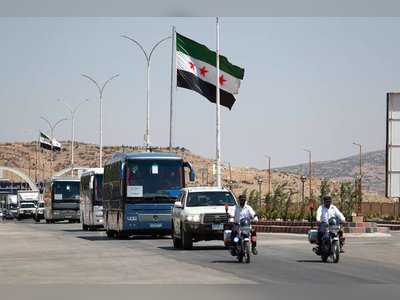
Syria has emerged as a central issue in Middle Eastern diplomacy, underscored by recent high-level engagements hosted in Riyadh that seek to shape the country’s future after the collapse of the Assad regime.
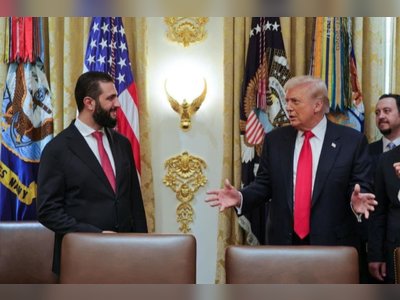
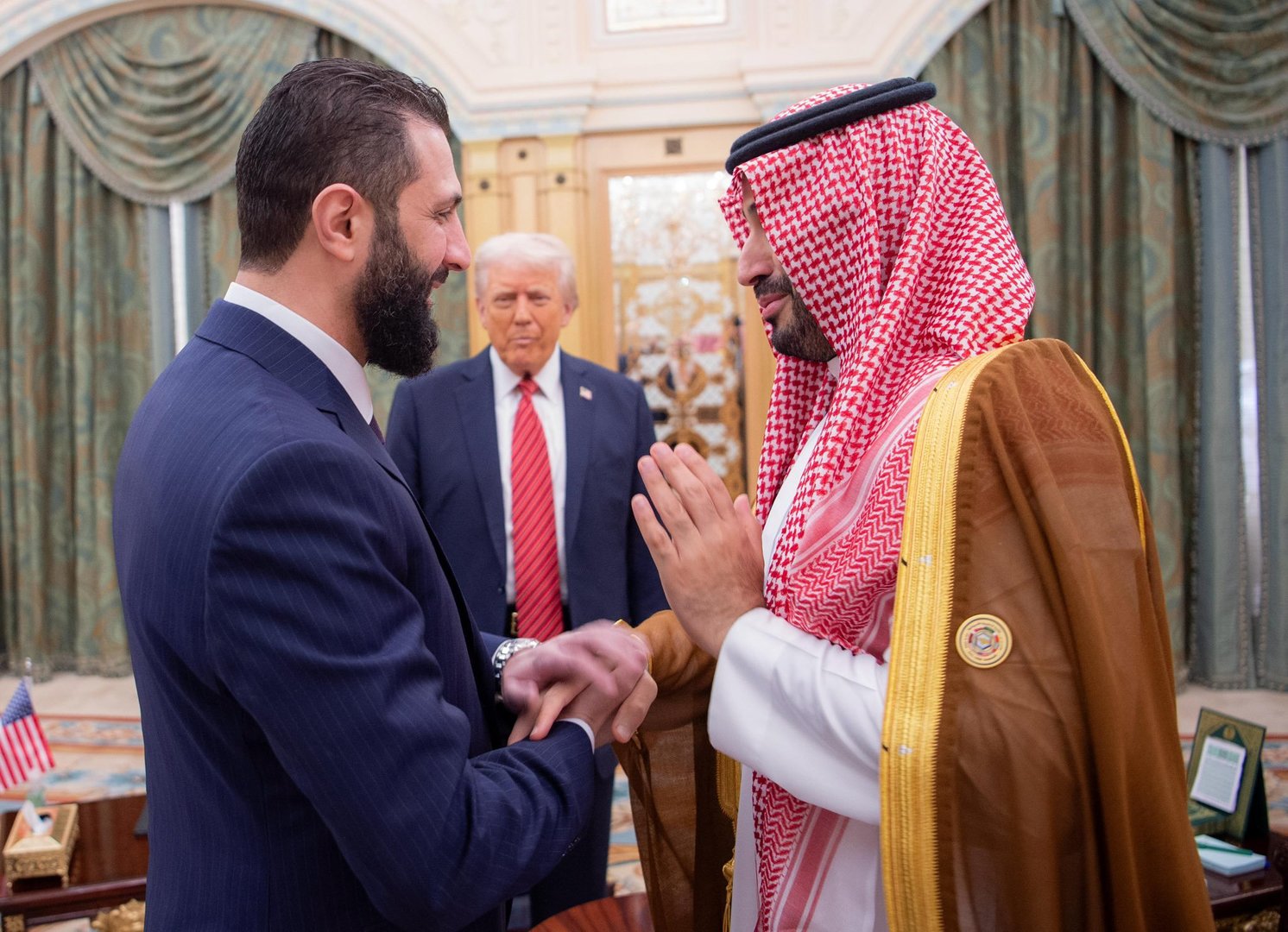
Transitional President Ahmed al-Sharaa, speaking at economic and policy forums in the Saudi capital, characterised Syria as a "cornerstone of regional stability," urging sustained international and Arab engagement to support its reconstruction and reintegration while addressing longstanding security challenges.
The focus on Syria in Riyadh reflects its geographic and strategic position at the heart of the Middle East.
Last January, foreign ministers and senior diplomats from Arab states and Western capitals convened in Riyadh — in what was the first major regional meeting since Bashar al-Assad’s departure — to explore pathways toward stabilisation and coordinated relief for a country emerging from more than a decade of conflict.
Discussions included calls to ease sanctions that have constrained economic recovery and humanitarian assistance, as well as frameworks for inclusive governance and security cooperation across multiple fronts.
On the ground, ongoing challenges highlight Syria’s role in broader regional security dynamics.
Recent reports reveal that Islamic State-linked infiltration into newly formed Syrian security forces culminated in a deadly attack on U.S. and coalition personnel in Palmyra, underscoring persisting extremist threats and the complex security environment facing transitional authorities and international partners alike.
Analysts argue that Syria’s future trajectory will have far-reaching consequences for neighbouring states and the wider region.
Its geographic links to Jordan, Türkiye, Iraq and Lebanon make it pivotal for border security, counter-terrorism cooperation, migration patterns and water resource management, areas where regional actors have increasingly invested diplomatic capital.
Concerted engagement led by Saudi Arabia and supported by other regional powers aims to integrate Syria into broader economic and security frameworks, promote reconstruction investment and reduce the risk of renewed conflict.
With the backdrop of shifting geopolitics, Syria’s transition from war-torn conflict zone to a potential partner in regional stability frameworks reflects evolving priorities among Arab and Western states.
For Riyadh, strategic dialogue on Syria is part of a broader vision to foster economic cooperation, ease humanitarian hardship and build sustainable security architecture in the Middle East, recognising that the country’s stability will be central to the region’s future balance of power.
Transitional President Ahmed al-Sharaa, speaking at economic and policy forums in the Saudi capital, characterised Syria as a "cornerstone of regional stability," urging sustained international and Arab engagement to support its reconstruction and reintegration while addressing longstanding security challenges.
The focus on Syria in Riyadh reflects its geographic and strategic position at the heart of the Middle East.
Last January, foreign ministers and senior diplomats from Arab states and Western capitals convened in Riyadh — in what was the first major regional meeting since Bashar al-Assad’s departure — to explore pathways toward stabilisation and coordinated relief for a country emerging from more than a decade of conflict.
Discussions included calls to ease sanctions that have constrained economic recovery and humanitarian assistance, as well as frameworks for inclusive governance and security cooperation across multiple fronts.
On the ground, ongoing challenges highlight Syria’s role in broader regional security dynamics.
Recent reports reveal that Islamic State-linked infiltration into newly formed Syrian security forces culminated in a deadly attack on U.S. and coalition personnel in Palmyra, underscoring persisting extremist threats and the complex security environment facing transitional authorities and international partners alike.
Analysts argue that Syria’s future trajectory will have far-reaching consequences for neighbouring states and the wider region.
Its geographic links to Jordan, Türkiye, Iraq and Lebanon make it pivotal for border security, counter-terrorism cooperation, migration patterns and water resource management, areas where regional actors have increasingly invested diplomatic capital.
Concerted engagement led by Saudi Arabia and supported by other regional powers aims to integrate Syria into broader economic and security frameworks, promote reconstruction investment and reduce the risk of renewed conflict.
With the backdrop of shifting geopolitics, Syria’s transition from war-torn conflict zone to a potential partner in regional stability frameworks reflects evolving priorities among Arab and Western states.
For Riyadh, strategic dialogue on Syria is part of a broader vision to foster economic cooperation, ease humanitarian hardship and build sustainable security architecture in the Middle East, recognising that the country’s stability will be central to the region’s future balance of power.