
Sudanese Asylum Seekers in UK Launch Legal Challenge Against Home Office
Two Sudanese asylum seekers are challenging the UK government's plans to reduce basic rights for refugees, arguing that the policy is indirectly discriminatory and would fail to deter asylum seekers.
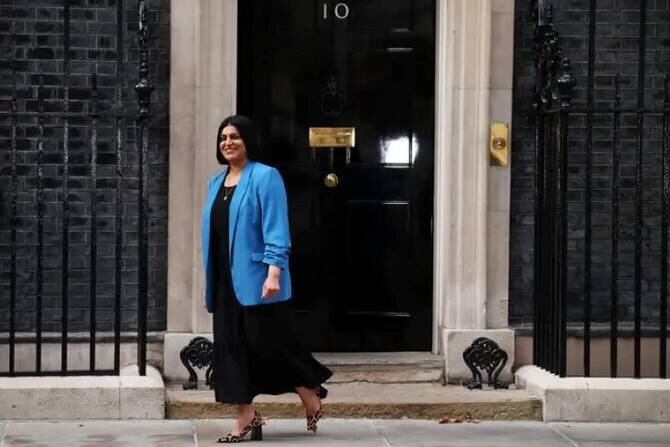
Home Secretary Shabana Mahmood has announced plans to halve refugees' leave-to-remain allowance in the UK from five years to 30 months.
Previously, people could apply for permanent settlement in the UK after five years, but refugees will now have to wait 20 years before being eligible under the new plans.
The two asylum seekers challenging the change — who faced torture in Sudan — argue that the policy is indirectly discriminatory and would fail to deter asylum seekers.
Last year, 96 percent of Sudanese asylum claims resulted in a grant of protection.
A policy paper published that year included claims by Mahmood that even 'genuine refugees' are 'shopping' their way across Europe in search of the most desirable country to claim asylum in.
The UN's refugee agency condemned the new policy in December, stating: 'Such a change would place additional administrative and costly burdens on the asylum system, create greater uncertainty for refugees, and negatively affect integration and social cohesion.' Mahmood is also restricting the right for refugees to bring immediate family members, such as spouses and children under 18, with them to Britain.
Before such reunifications are approved, refugees will need to demonstrate their capacity to provide financial support for family members.
The two Sudanese asylum seekers are being represented by Manini Menon, a solicitor at Duncan Lewis.
She stated: 'The home secretary's position is that her policy will deter small boat arrivals and ensure that only people who genuinely need protection will have leave as refugees in the UK.
Our clients argue that the home secretary's policy is flawed and discriminatory.'
According to evidence from countries such as Denmark and Australia, granting temporary status to refugees can exacerbate mental and physical ill-health, adversely affect social integration, and increase refugees' risk of economic instability and poverty.
Previously, people could apply for permanent settlement in the UK after five years, but refugees will now have to wait 20 years before being eligible under the new plans.
The two asylum seekers challenging the change — who faced torture in Sudan — argue that the policy is indirectly discriminatory and would fail to deter asylum seekers.
Last year, 96 percent of Sudanese asylum claims resulted in a grant of protection.
A policy paper published that year included claims by Mahmood that even 'genuine refugees' are 'shopping' their way across Europe in search of the most desirable country to claim asylum in.
The UN's refugee agency condemned the new policy in December, stating: 'Such a change would place additional administrative and costly burdens on the asylum system, create greater uncertainty for refugees, and negatively affect integration and social cohesion.' Mahmood is also restricting the right for refugees to bring immediate family members, such as spouses and children under 18, with them to Britain.
Before such reunifications are approved, refugees will need to demonstrate their capacity to provide financial support for family members.
The two Sudanese asylum seekers are being represented by Manini Menon, a solicitor at Duncan Lewis.
She stated: 'The home secretary's position is that her policy will deter small boat arrivals and ensure that only people who genuinely need protection will have leave as refugees in the UK.
Our clients argue that the home secretary's policy is flawed and discriminatory.'
According to evidence from countries such as Denmark and Australia, granting temporary status to refugees can exacerbate mental and physical ill-health, adversely affect social integration, and increase refugees' risk of economic instability and poverty.