Saudi Arabia’s Strategic Surge in Syrian Investment Aims to Rebuild Economy and Extend Regional Influence
Riyadh’s multibillion-dollar economic commitments in post-war Syria reflect both reconstruction support and broader geopolitical strategy
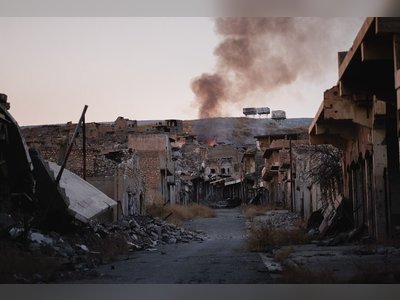
Saudi Arabia has embarked on a major investment drive in Syria, committing multibillion-dollar deals designed to help revive the war-torn economy and deepen Riyadh’s diplomatic and economic footprint in the Levant.
Since late 2024, following the fall of Bashar al-Assad’s government and the installation of an interim leadership, Saudi authorities and private sector partners have signed a series of agreements with Damascus covering infrastructure, telecommunications, aviation, water and energy projects.
In early February 2026, officials from both countries formalised new investments including a nearly $1 billion telecommunications initiative called SilkLink, backed by the Saudi Telecom Company, to modernise Syria’s connectivity and link the country to regional digital networks.
Agreements also include a Saudi-supported low-cost airline, Flynas Syria, and plans to redevelop Aleppo’s international airport to serve up to 12 million passengers annually, part of a broader push to restore transport and trade links.
Other accords involve water-sector cooperation with Saudi energy firms intending to build desalination and power infrastructure, reflecting a broad spectrum of industrial and social priorities.
These investments have been agreed alongside more than forty other deals worth over $6 billion since mid-2025, encompassing real estate, energy and job-creating initiatives that aim to lay foundations for sustained economic recovery and employment growth.
Analysts say the economic impetus is closely tied to shifting regional dynamics.
With Western sanctions largely lifted after the political transition in Damascus and the head of the interim government engaging directly with Gulf and international partners, Saudi Arabia sees an opening to position itself as a central economic actor in Syria.
Investments by Gulf states, led by Riyadh, form part of an effort to integrate Syria into broader Arab economic frameworks and reduce the influence of non-Arab actors in the country’s future development rolls.
Prior commitments by Saudi entities to settle Syrian arrears with the World Bank and protect bilateral investments have helped create a more secure environment for capital flows.
Beyond economic considerations, the investment drive serves strategic objectives.
Saudi Arabia’s engagement supports its broader diplomatic efforts to stabilise Syria, rebuild infrastructure and foster regional cooperation.
By financing key sectors and supporting reconstruction, Riyadh reinforces ties with the interim government while promoting a pragmatic model of post-conflict recovery that attracts further international participation.
Domestic stakeholders in Syria have welcomed the funding as essential to restoring basic services, creating employment and revitalising sectors crippled by more than a decade of conflict.
The scale and scope of Saudi commitments underscore a belief among policymakers in Riyadh that economic engagement is integral to long-term stability and influence in a region undergoing rapid geopolitical realignment.
Since late 2024, following the fall of Bashar al-Assad’s government and the installation of an interim leadership, Saudi authorities and private sector partners have signed a series of agreements with Damascus covering infrastructure, telecommunications, aviation, water and energy projects.
In early February 2026, officials from both countries formalised new investments including a nearly $1 billion telecommunications initiative called SilkLink, backed by the Saudi Telecom Company, to modernise Syria’s connectivity and link the country to regional digital networks.
Agreements also include a Saudi-supported low-cost airline, Flynas Syria, and plans to redevelop Aleppo’s international airport to serve up to 12 million passengers annually, part of a broader push to restore transport and trade links.
Other accords involve water-sector cooperation with Saudi energy firms intending to build desalination and power infrastructure, reflecting a broad spectrum of industrial and social priorities.
These investments have been agreed alongside more than forty other deals worth over $6 billion since mid-2025, encompassing real estate, energy and job-creating initiatives that aim to lay foundations for sustained economic recovery and employment growth.
Analysts say the economic impetus is closely tied to shifting regional dynamics.
With Western sanctions largely lifted after the political transition in Damascus and the head of the interim government engaging directly with Gulf and international partners, Saudi Arabia sees an opening to position itself as a central economic actor in Syria.
Investments by Gulf states, led by Riyadh, form part of an effort to integrate Syria into broader Arab economic frameworks and reduce the influence of non-Arab actors in the country’s future development rolls.
Prior commitments by Saudi entities to settle Syrian arrears with the World Bank and protect bilateral investments have helped create a more secure environment for capital flows.
Beyond economic considerations, the investment drive serves strategic objectives.
Saudi Arabia’s engagement supports its broader diplomatic efforts to stabilise Syria, rebuild infrastructure and foster regional cooperation.
By financing key sectors and supporting reconstruction, Riyadh reinforces ties with the interim government while promoting a pragmatic model of post-conflict recovery that attracts further international participation.
Domestic stakeholders in Syria have welcomed the funding as essential to restoring basic services, creating employment and revitalising sectors crippled by more than a decade of conflict.
The scale and scope of Saudi commitments underscore a belief among policymakers in Riyadh that economic engagement is integral to long-term stability and influence in a region undergoing rapid geopolitical realignment.