Saudi Arabia Hosts International Coalition Meeting to Strengthen Counter-ISIS Coordination
Riyadh convenes defence and security leaders from partner nations to enhance strategic cooperation against ISIS threats
Saudi Arabia brought together senior officials and military leaders from multiple countries in Riyadh this week for a coalition meeting focused on reinforcing coordination in the fight against the Islamic State group.
The gathering underscored Riyadh’s role as a pivotal partner in global counter-terrorism efforts and aimed to streamline operational cooperation, intelligence sharing and long-term strategic planning among allied states.
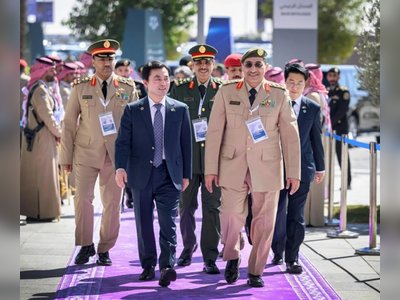
The meeting convened representatives from more than a dozen countries, including senior officials from the United States, European partners and regional Arab states, to deliberate on evolving ISIS tactics, advances in counter-terrorism technologies and opportunities to disrupt the group’s remaining networks.
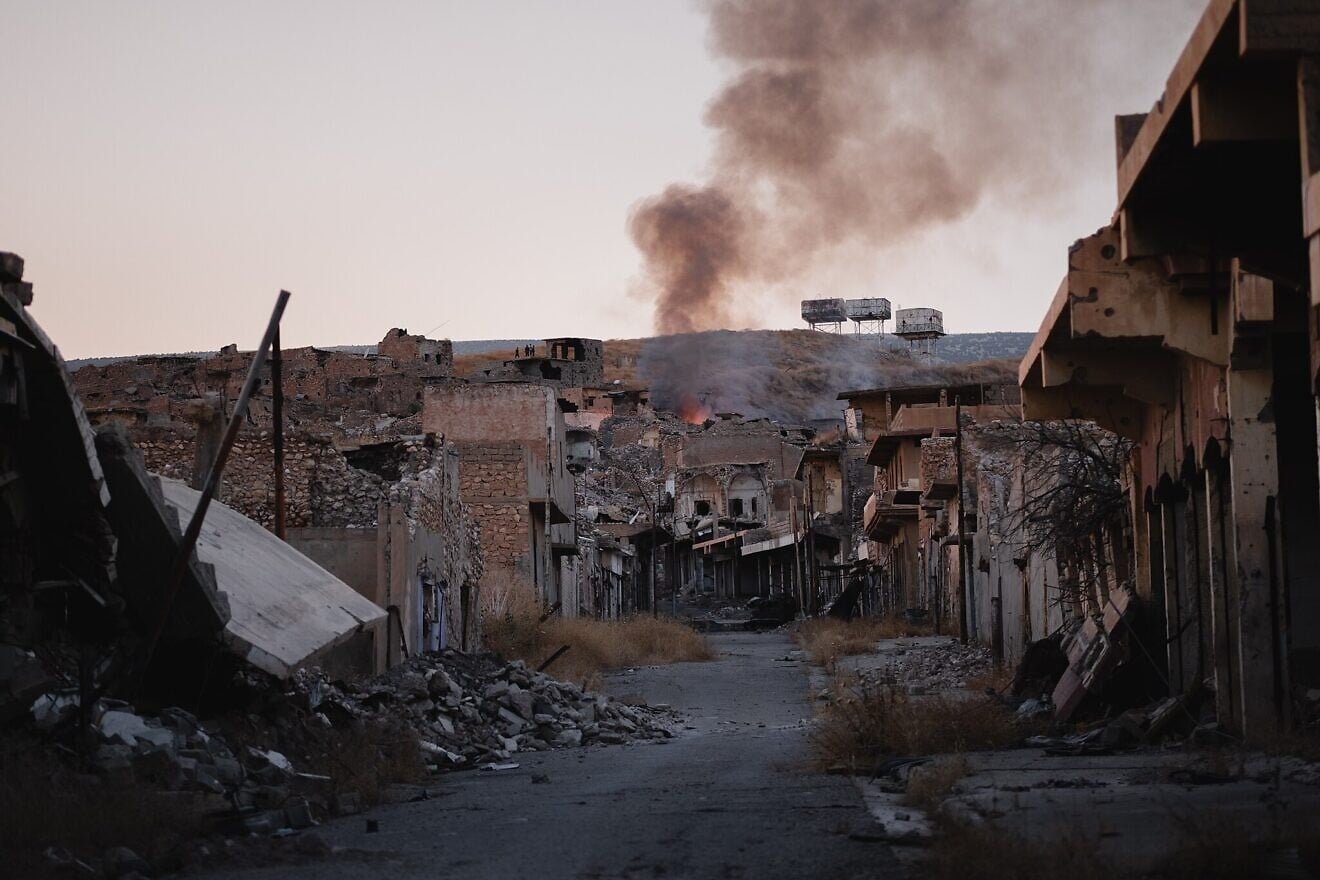
Delegates discussed lessons learned from recent campaigns in Iraq and Syria, as well as the sustained threat posed by ISIS affiliates in the Sahel and parts of South and Central Asia.
Strategic dialogue also covered border security measures and efforts to prevent the flow of foreign fighters.
Saudi officials used the platform to reaffirm the kingdom’s commitment to collective security and to emphasise the importance of regional stability as part of broader Middle Eastern security architecture.
Riyadh’s Ministry of Defence highlighted ongoing cooperation with coalition partners on capacity-building programmes for regional armed forces, the enhancement of counter-radicalisation initiatives and reinforced surveillance capabilities.
A series of working groups established at the meeting will continue consultations over the coming months to ensure that agreed principles are translated into tangible tactical and operational frameworks.
Participants noted that while ISIS has lost territorial control in recent years, the group’s ability to inspire and coordinate dispersed cells remains a significant concern.
The coalition emphasised a comprehensive approach that combines military pressure with efforts to counter extremist ideologies, financial networks and online recruitment.
Analysts attending the discussions observed that the Riyadh meeting represents a sustained commitment by international partners to adapt counter-ISIS strategies in response to the group’s evolving methods and geographical spread.
Officials said that further ministerial and technical-level meetings are planned to maintain momentum and to synchronise planning among participating states.
The coalition’s expanded agenda reflects a consensus that enduring threats from ISIS require adaptive, sustained, multilateral coordination backed by robust intelligence and shared operational standards.
The gathering underscored Riyadh’s role as a pivotal partner in global counter-terrorism efforts and aimed to streamline operational cooperation, intelligence sharing and long-term strategic planning among allied states.
The meeting convened representatives from more than a dozen countries, including senior officials from the United States, European partners and regional Arab states, to deliberate on evolving ISIS tactics, advances in counter-terrorism technologies and opportunities to disrupt the group’s remaining networks.
Delegates discussed lessons learned from recent campaigns in Iraq and Syria, as well as the sustained threat posed by ISIS affiliates in the Sahel and parts of South and Central Asia.
Strategic dialogue also covered border security measures and efforts to prevent the flow of foreign fighters.
Saudi officials used the platform to reaffirm the kingdom’s commitment to collective security and to emphasise the importance of regional stability as part of broader Middle Eastern security architecture.
Riyadh’s Ministry of Defence highlighted ongoing cooperation with coalition partners on capacity-building programmes for regional armed forces, the enhancement of counter-radicalisation initiatives and reinforced surveillance capabilities.
A series of working groups established at the meeting will continue consultations over the coming months to ensure that agreed principles are translated into tangible tactical and operational frameworks.
Participants noted that while ISIS has lost territorial control in recent years, the group’s ability to inspire and coordinate dispersed cells remains a significant concern.
The coalition emphasised a comprehensive approach that combines military pressure with efforts to counter extremist ideologies, financial networks and online recruitment.
Analysts attending the discussions observed that the Riyadh meeting represents a sustained commitment by international partners to adapt counter-ISIS strategies in response to the group’s evolving methods and geographical spread.
Officials said that further ministerial and technical-level meetings are planned to maintain momentum and to synchronise planning among participating states.
The coalition’s expanded agenda reflects a consensus that enduring threats from ISIS require adaptive, sustained, multilateral coordination backed by robust intelligence and shared operational standards.