Mohamed bin Zayed Hosts Abdel Fattah el-Sisi as Saudi and UAE Expand Regional Influence
Saudi Arabia’s president receives Egyptian leader amid shifting Gulf-Levant diplomacy and security cooperation
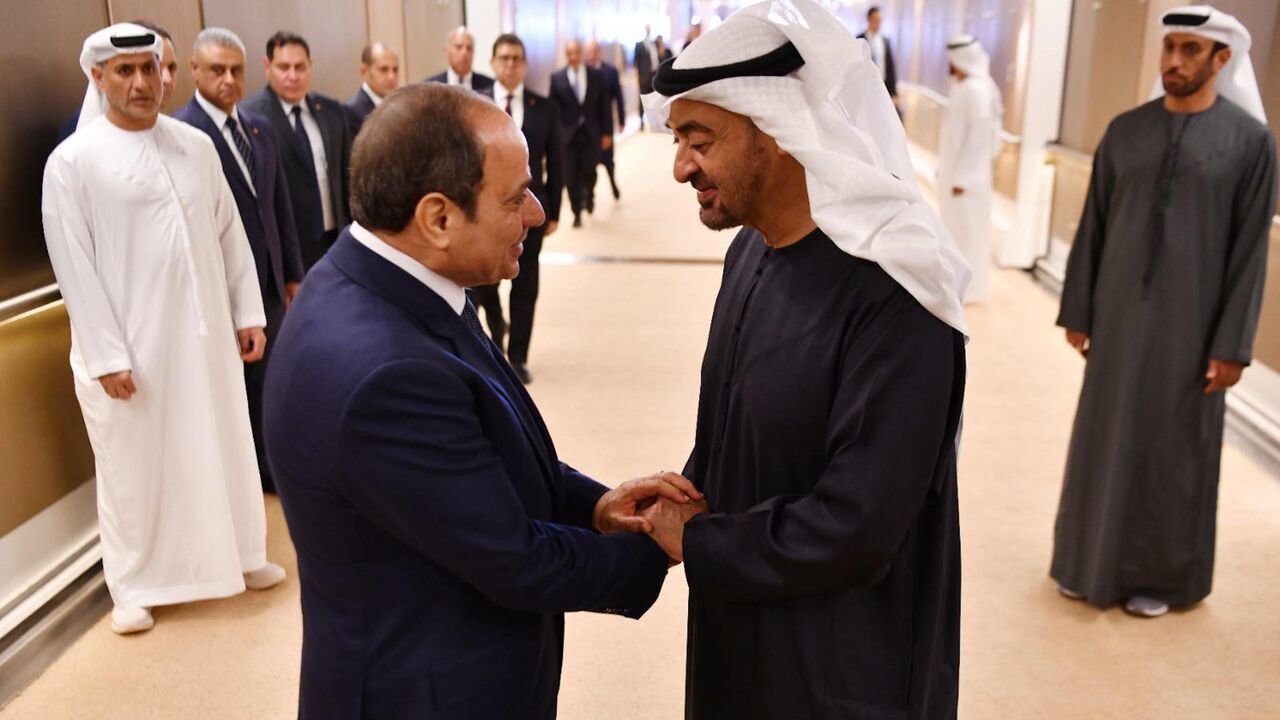
President Mohamed bin Zayed of the United Arab Emirates hosted Egyptian President Abdel Fattah el-Sisi in Abu Dhabi in a high-profile meeting that reflects deepening ties between the Gulf and Cairo as both Riyadh and Abu Dhabi seek to bolster their influence across the Middle East and North Africa.
The discussions, held at the presidential palace, focussed on broadening economic cooperation, security coordination and strategic alignment on regional issues, signalling an expanding partnership between the UAE and Egypt.
The meeting brought the leaders together against a backdrop of shifting geopolitical dynamics in the region, including reconstruction efforts in Gaza, return-to-normalisation talks with Syria and growing Gulf engagement with African states.
Both sides emphasised the importance of economic collaboration, with agreements reportedly explored in energy, infrastructure, trade and investment.
Officials said the talks underscored shared interests in stability, prosperity and counter-terrorism efforts across the Middle East and beyond.
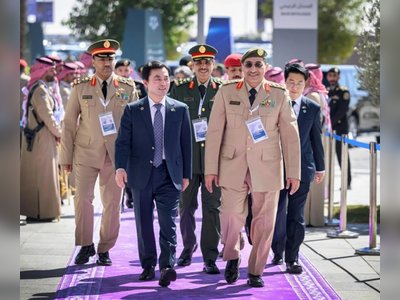
Security cooperation formed a key pillar of the discussions, with defence officials from both nations present for portions of the talks.
Riyadh and Abu Dhabi have been working in recent years to enhance joint training, intelligence sharing and coordinated approaches to regional security threats.
Egypt’s strategic position, bridging North Africa and the Middle East, was highlighted by both leaders as central to any collective effort to address instability and protect economic corridors.
Observers note that the UAE’s engagement with Cairo complements parallel efforts by Saudi Arabia, which has been active in diplomatic initiatives including supporting reconstruction in war-impacted areas and seeking to reintegrate Syria into Arab League frameworks.
Cairo’s evolving role as a regional interlocutor affords it leverage with both Gulf powers, which are vying to shape post-conflict outcomes and economic partnerships across the Levant and North Africa.
The visit follows a period of intensified dialogue between Gulf leaders and regional capitals on issues ranging from food security and investment to energy transition and infrastructure development.
Egyptian officials described the meeting as a reaffirmation of longstanding ties with the UAE and said that both countries are committed to expanding cooperation in ways that benefit their populations.
UAE spokespeople characterised the engagement as part of a strategic vision to foster stability and economic opportunity across the Arab world.
While the UAE and Saudi Arabia often coordinate on Gulf Cooperation Council policy and investment initiatives, the presence of Egypt at the centre of these discussions underscores a broader regional realignment in which economic influence and strategic cooperation with major Arab capitals is shaping the diplomatic landscape.
The outcomes of the Abu Dhabi visit are expected to inform future multilateral engagements and could signal further institutionalised cooperation among key Arab states as they navigate evolving regional challenges and opportunities.
The discussions, held at the presidential palace, focussed on broadening economic cooperation, security coordination and strategic alignment on regional issues, signalling an expanding partnership between the UAE and Egypt.
The meeting brought the leaders together against a backdrop of shifting geopolitical dynamics in the region, including reconstruction efforts in Gaza, return-to-normalisation talks with Syria and growing Gulf engagement with African states.
Both sides emphasised the importance of economic collaboration, with agreements reportedly explored in energy, infrastructure, trade and investment.
Officials said the talks underscored shared interests in stability, prosperity and counter-terrorism efforts across the Middle East and beyond.
Security cooperation formed a key pillar of the discussions, with defence officials from both nations present for portions of the talks.
Riyadh and Abu Dhabi have been working in recent years to enhance joint training, intelligence sharing and coordinated approaches to regional security threats.
Egypt’s strategic position, bridging North Africa and the Middle East, was highlighted by both leaders as central to any collective effort to address instability and protect economic corridors.
Observers note that the UAE’s engagement with Cairo complements parallel efforts by Saudi Arabia, which has been active in diplomatic initiatives including supporting reconstruction in war-impacted areas and seeking to reintegrate Syria into Arab League frameworks.
Cairo’s evolving role as a regional interlocutor affords it leverage with both Gulf powers, which are vying to shape post-conflict outcomes and economic partnerships across the Levant and North Africa.
The visit follows a period of intensified dialogue between Gulf leaders and regional capitals on issues ranging from food security and investment to energy transition and infrastructure development.
Egyptian officials described the meeting as a reaffirmation of longstanding ties with the UAE and said that both countries are committed to expanding cooperation in ways that benefit their populations.
UAE spokespeople characterised the engagement as part of a strategic vision to foster stability and economic opportunity across the Arab world.
While the UAE and Saudi Arabia often coordinate on Gulf Cooperation Council policy and investment initiatives, the presence of Egypt at the centre of these discussions underscores a broader regional realignment in which economic influence and strategic cooperation with major Arab capitals is shaping the diplomatic landscape.
The outcomes of the Abu Dhabi visit are expected to inform future multilateral engagements and could signal further institutionalised cooperation among key Arab states as they navigate evolving regional challenges and opportunities.