
Saudi Arabia’s Place Under Pakistan’s Nuclear Umbrella Examined After Strategic Defence Pact
New mutual defence agreement with nuclear-armed Pakistan sparks debate about extended deterrence amid regional tensions
Saudi Arabia’s security relationship with nuclear-armed Pakistan has entered a new phase following the signing of a mutual defence pact in September 2025, raising fresh questions about whether Riyadh now falls under Islamabad’s nuclear umbrella as part of a broader deterrence strategy.
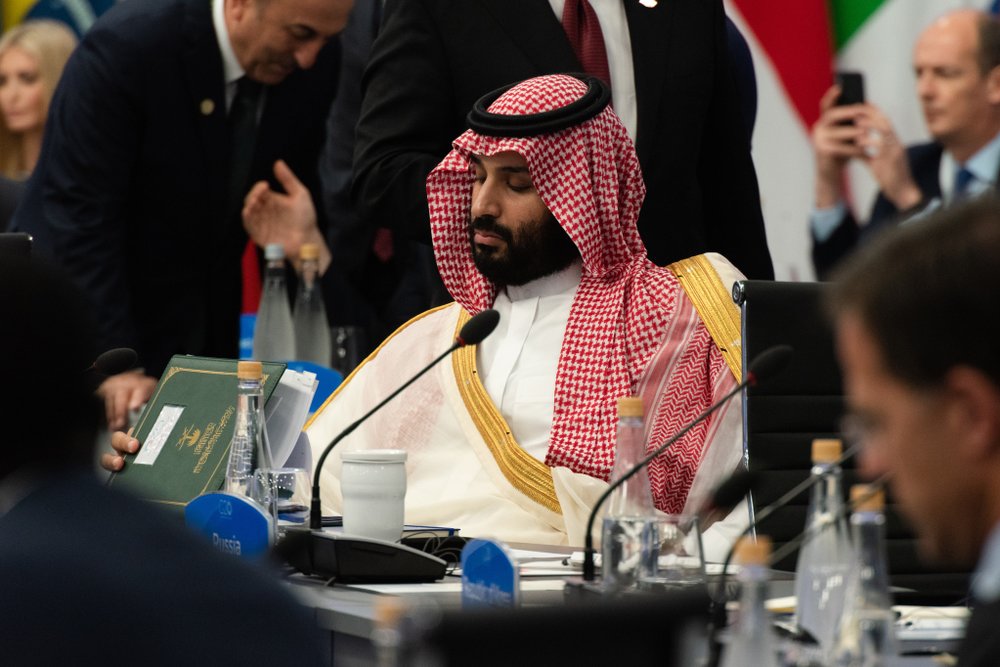
The Strategic Mutual Defence Agreement, signed in Riyadh by Crown Prince Mohammed bin Salman and Pakistani Prime Minister Shehbaz Sharif on 17 September, binds the two countries to regard any aggression against one as aggression against both, deepening their longstanding military and security cooperation.
The pact was concluded against a backdrop of heightened regional instability, including Israel’s recent military operations in neighbouring states and growing doubts among some Gulf capitals about the reliability of traditional security guarantees.
In the days following the accord, Pakistan’s Defence Minister Khawaja Mohammad Asif appeared to signal that Islamabad’s nuclear deterrent — part of Pakistan’s established arsenal developed primarily as a strategic counterbalance to India — could be “made available” to Saudi Arabia under the pact, marking the first explicit suggestion that Riyadh might benefit from Islamabad’s nuclear capability if needed for deterrence.
This remark, widely interpreted as an indication of an extended nuclear umbrella, marked a significant departure from decades of implicit defence cooperation between the two states.
However, the scope of the nuclear dimension remains ambiguous.
Analyses of the pact note that the formal text never explicitly mentions nuclear weapons or nuclear sharing, and Pakistan has not publicly committed to stationing nuclear forces on Saudi soil or placing them under Saudi control.
Officials from both countries have offered mixed signals: while a senior Saudi official described the agreement as encompassing “all military means,” Pakistan’s leadership later clarified that nuclear arms were not a defined feature of the pact, fuelling debate over what extended deterrence would mean in practice.
The strategic implications of potential nuclear cover for Saudi Arabia are profound amid ongoing regional conflicts and rivalries.
Inclusion under a nuclear umbrella conceptually enhances Riyadh’s deterrence posture vis-à-vis regional threats, notably Iran’s nuclear ambitions and the dynamic security landscape shaped by Israel’s unacknowledged arsenal.
Yet nuclear experts caution that assurances of nuclear availability do not equate to a formal guarantee of nuclear response, and the absence of detailed, binding mechanisms means that any such deterrent would be highly contingent and politically sensitive.
For now, the consensus among foreign policy analysts is that while the new pact reflects a strong strategic partnership and may imply a form of extended deterrence, formal nuclear sharing comparable to North Atlantic Treaty Organisation models has not been established.
Rather, Islamabad’s statements and the pact’s deterrent language signal a symbolic reaffirmation of mutual defence that stops short of ceding Pakistan’s nuclear command or arsenal control.
Continued ambiguity surrounding the agreement’s nuclear aspects will likely shape diplomatic and security debates in the Gulf and beyond as regional states recalibrate their defence postures in an evolving strategic environment.
The Strategic Mutual Defence Agreement, signed in Riyadh by Crown Prince Mohammed bin Salman and Pakistani Prime Minister Shehbaz Sharif on 17 September, binds the two countries to regard any aggression against one as aggression against both, deepening their longstanding military and security cooperation.
The pact was concluded against a backdrop of heightened regional instability, including Israel’s recent military operations in neighbouring states and growing doubts among some Gulf capitals about the reliability of traditional security guarantees.
In the days following the accord, Pakistan’s Defence Minister Khawaja Mohammad Asif appeared to signal that Islamabad’s nuclear deterrent — part of Pakistan’s established arsenal developed primarily as a strategic counterbalance to India — could be “made available” to Saudi Arabia under the pact, marking the first explicit suggestion that Riyadh might benefit from Islamabad’s nuclear capability if needed for deterrence.
This remark, widely interpreted as an indication of an extended nuclear umbrella, marked a significant departure from decades of implicit defence cooperation between the two states.
However, the scope of the nuclear dimension remains ambiguous.
Analyses of the pact note that the formal text never explicitly mentions nuclear weapons or nuclear sharing, and Pakistan has not publicly committed to stationing nuclear forces on Saudi soil or placing them under Saudi control.
Officials from both countries have offered mixed signals: while a senior Saudi official described the agreement as encompassing “all military means,” Pakistan’s leadership later clarified that nuclear arms were not a defined feature of the pact, fuelling debate over what extended deterrence would mean in practice.
The strategic implications of potential nuclear cover for Saudi Arabia are profound amid ongoing regional conflicts and rivalries.
Inclusion under a nuclear umbrella conceptually enhances Riyadh’s deterrence posture vis-à-vis regional threats, notably Iran’s nuclear ambitions and the dynamic security landscape shaped by Israel’s unacknowledged arsenal.
Yet nuclear experts caution that assurances of nuclear availability do not equate to a formal guarantee of nuclear response, and the absence of detailed, binding mechanisms means that any such deterrent would be highly contingent and politically sensitive.
For now, the consensus among foreign policy analysts is that while the new pact reflects a strong strategic partnership and may imply a form of extended deterrence, formal nuclear sharing comparable to North Atlantic Treaty Organisation models has not been established.
Rather, Islamabad’s statements and the pact’s deterrent language signal a symbolic reaffirmation of mutual defence that stops short of ceding Pakistan’s nuclear command or arsenal control.
Continued ambiguity surrounding the agreement’s nuclear aspects will likely shape diplomatic and security debates in the Gulf and beyond as regional states recalibrate their defence postures in an evolving strategic environment.