China and Saudi Arabia Accelerate High-Tech Cooperation Amid Global Geopolitical Pressure
Beijing and Riyadh deepen strategic technology and industrial linkages, expanding advanced manufacturing, supply chains and innovation ties despite U.S. competition
China and Saudi Arabia have pledged to strengthen cooperation in high-technology sectors, advancing joint initiatives in advanced manufacturing, semiconductors, supply chains and industrial innovation as part of an expanding strategic partnership.
Riyadh’s outreach to China highlights a shared determination to broaden economic ties in technology while navigating external geopolitical pressures, particularly from the United States.
In recent months, high-level delegations from Saudi Arabia have held meetings with leaders of more than thirty major Chinese companies to explore collaboration on semiconductors, advanced manufacturing equipment and integrated supply chains, aligning with Saudi Arabia’s Vision 2030 economic diversification goals.
Saudi officials emphasised the kingdom’s competitive advantages, such as infrastructure investment and access to global markets, while both sides discussed mechanisms to facilitate technology transfer, innovation and sustainable industrial growth.
These discussions sit within a larger framework of bilateral relations that encompasses trade, energy and investment cooperation spanning decades.
The renewed focus on high-tech cooperation comes amid broader diplomatic engagement.
China’s top diplomat recently urged Gulf Cooperation Council members to conclude a long-pending free trade agreement with Beijing, reinforcing economic links across the Middle East.
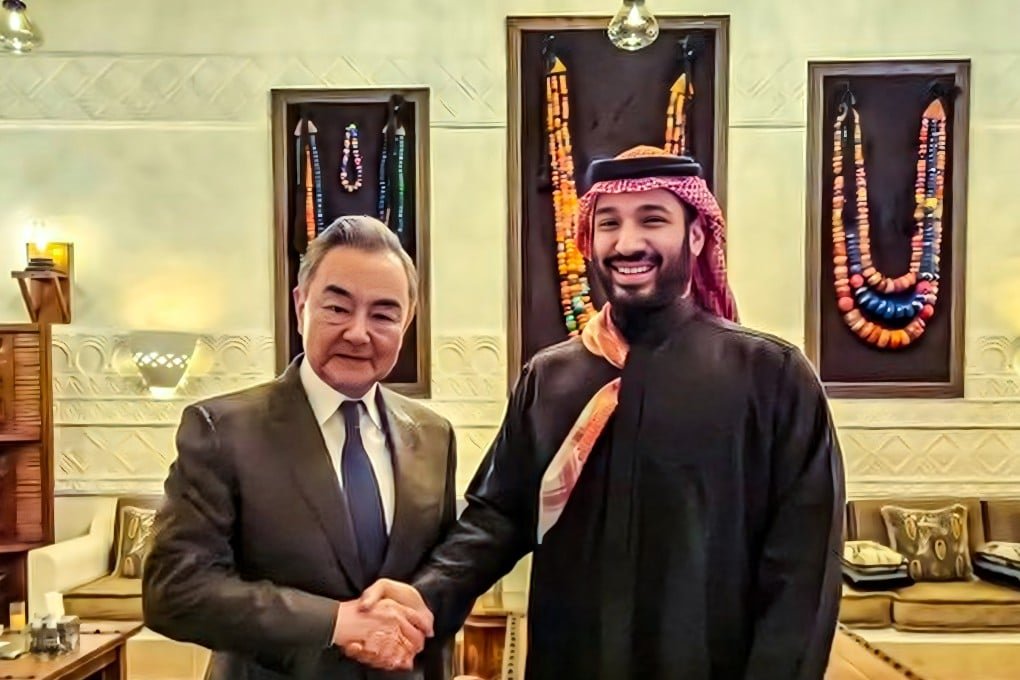
In meetings with Saudi leadership, Chinese officials described Riyadh as a “priority” partner and expressed support for closer coordination on regional and international issues, including economic development, green energy and multilateral diplomacy.
Observers say that while technology cooperation with China has grown significantly — particularly in areas such as renewable energy manufacturing and supply chain integration — Saudi leaders continue to balance these ties with longstanding partnerships with Western powers, especially the United States, which has also expanded access to advanced artificial intelligence chips and semiconductor supplies to Riyadh.
This strategic balancing reflects Saudi Arabia’s broader approach to foreign policy, seeking diversified partnerships that support its domestic innovation ambitions without exclusive alignment to any single external power.
The emphasis on high-tech collaboration underscores a mutual determination to foster industrial ecosystems that can generate high-value jobs, anchor supply chains and support national development agendas.
For China, engagement with rapidly modernising economies like Saudi Arabia reinforces its influence in global technology and industrial markets.
For Saudi Arabia, deeper cooperation with Beijing complements Vision 2030’s aim of transforming the kingdom into a diversified technological hub, even as competition with Western economic models reshapes global alliances.
Riyadh’s outreach to China highlights a shared determination to broaden economic ties in technology while navigating external geopolitical pressures, particularly from the United States.
In recent months, high-level delegations from Saudi Arabia have held meetings with leaders of more than thirty major Chinese companies to explore collaboration on semiconductors, advanced manufacturing equipment and integrated supply chains, aligning with Saudi Arabia’s Vision 2030 economic diversification goals.
Saudi officials emphasised the kingdom’s competitive advantages, such as infrastructure investment and access to global markets, while both sides discussed mechanisms to facilitate technology transfer, innovation and sustainable industrial growth.
These discussions sit within a larger framework of bilateral relations that encompasses trade, energy and investment cooperation spanning decades.
The renewed focus on high-tech cooperation comes amid broader diplomatic engagement.
China’s top diplomat recently urged Gulf Cooperation Council members to conclude a long-pending free trade agreement with Beijing, reinforcing economic links across the Middle East.
In meetings with Saudi leadership, Chinese officials described Riyadh as a “priority” partner and expressed support for closer coordination on regional and international issues, including economic development, green energy and multilateral diplomacy.
Observers say that while technology cooperation with China has grown significantly — particularly in areas such as renewable energy manufacturing and supply chain integration — Saudi leaders continue to balance these ties with longstanding partnerships with Western powers, especially the United States, which has also expanded access to advanced artificial intelligence chips and semiconductor supplies to Riyadh.
This strategic balancing reflects Saudi Arabia’s broader approach to foreign policy, seeking diversified partnerships that support its domestic innovation ambitions without exclusive alignment to any single external power.
The emphasis on high-tech collaboration underscores a mutual determination to foster industrial ecosystems that can generate high-value jobs, anchor supply chains and support national development agendas.
For China, engagement with rapidly modernising economies like Saudi Arabia reinforces its influence in global technology and industrial markets.
For Saudi Arabia, deeper cooperation with Beijing complements Vision 2030’s aim of transforming the kingdom into a diversified technological hub, even as competition with Western economic models reshapes global alliances.