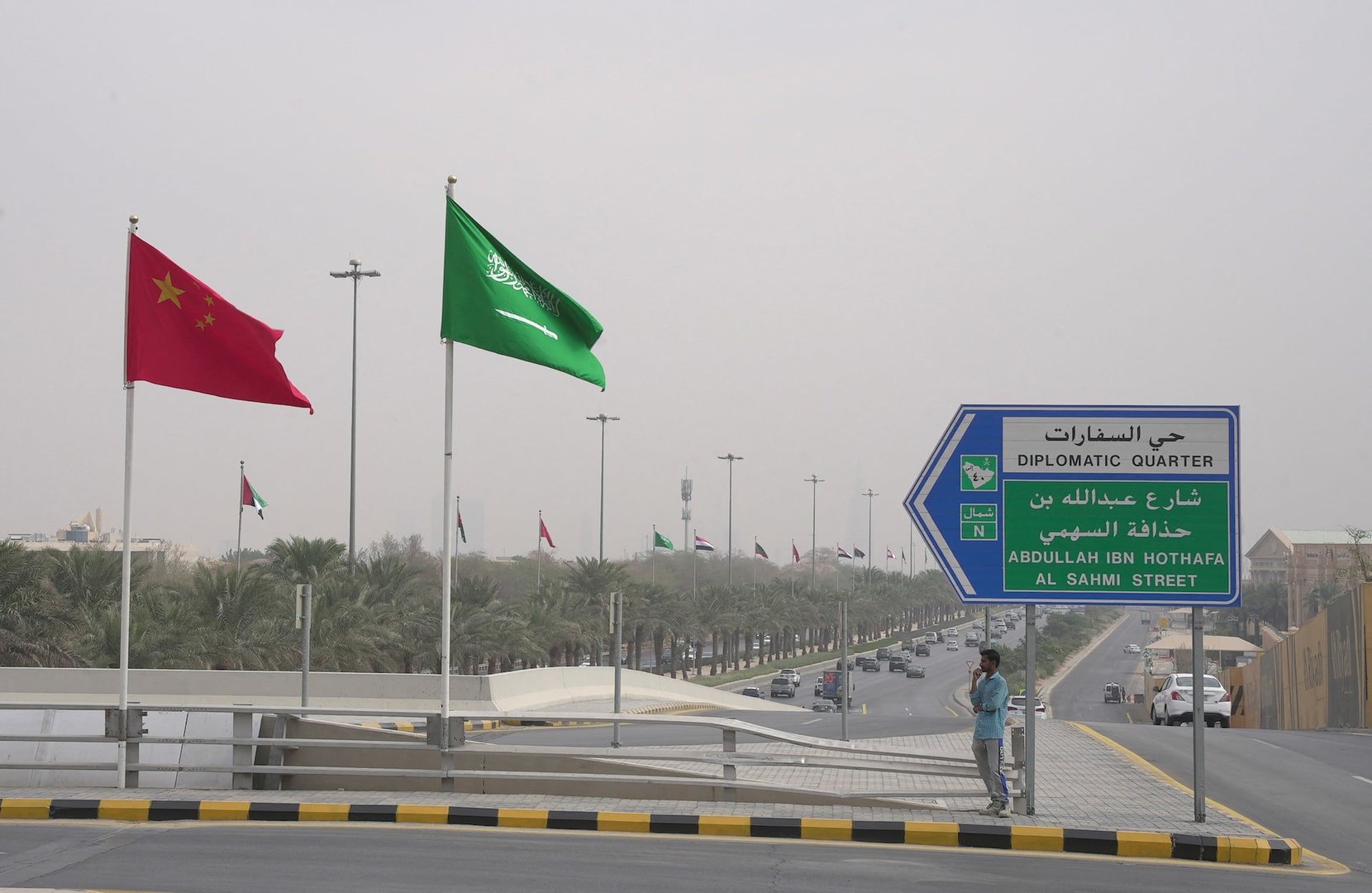
China Presses Gulf States to Finalise Long-Delayed Free Trade Agreement
Beijing urges Gulf Cooperation Council members to conclude talks as trade, energy and investment ties deepen
China has renewed its call on Gulf Arab states to conclude a long-negotiated free trade agreement, urging members of the Gulf Cooperation Council to move faster toward sealing a deal that would significantly expand economic ties between the two sides.
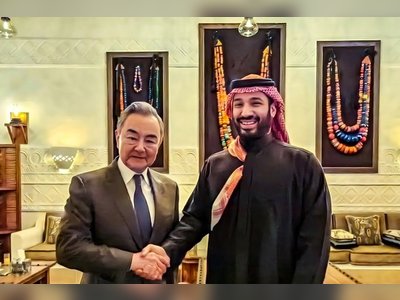
The appeal was made during high-level diplomatic and economic exchanges, as Beijing seeks to strengthen its commercial footprint in the Middle East amid shifting global trade dynamics.
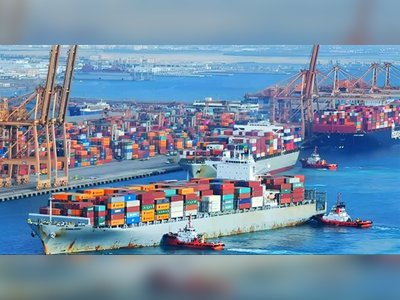
Chinese officials said a comprehensive free trade agreement would unlock new opportunities across goods, services and investment, building on already robust trade flows driven largely by energy cooperation.
China is the largest buyer of Gulf oil and gas, while Gulf sovereign funds and companies have increased investment in Chinese manufacturing, infrastructure and technology sectors.
Beijing argues that formalising the relationship through an FTA would provide greater certainty for businesses and accelerate diversification efforts in Gulf economies.
Negotiations between China and the Gulf Cooperation Council — which includes Saudi Arabia, the United Arab Emirates, Qatar, Kuwait, Oman and Bahrain — have been under way for more than two decades, but progress has been uneven.
Recent momentum has been fuelled by closer political engagement, expanding trade volumes and a shared interest in reducing exposure to global economic volatility.
Chinese officials have emphasised that the timing is favourable, citing the alignment between China’s development priorities and the Gulf states’ long-term economic transformation strategies.
Gulf leaders have welcomed deeper economic cooperation with China but continue to weigh the terms of any agreement carefully, particularly in areas such as tariffs, market access and regulatory standards.
Some member states have stressed the importance of ensuring that a deal supports domestic industries and complements existing trade relationships with other major partners.
The renewed push comes as China intensifies outreach across the Middle East, positioning itself as a key economic partner while promoting trade liberalisation as a counterweight to protectionist trends elsewhere.
While no timetable has been announced, officials on both sides indicated that discussions are ongoing, raising expectations that a framework agreement could move closer as political and economic interests increasingly converge.
The appeal was made during high-level diplomatic and economic exchanges, as Beijing seeks to strengthen its commercial footprint in the Middle East amid shifting global trade dynamics.
Chinese officials said a comprehensive free trade agreement would unlock new opportunities across goods, services and investment, building on already robust trade flows driven largely by energy cooperation.
China is the largest buyer of Gulf oil and gas, while Gulf sovereign funds and companies have increased investment in Chinese manufacturing, infrastructure and technology sectors.
Beijing argues that formalising the relationship through an FTA would provide greater certainty for businesses and accelerate diversification efforts in Gulf economies.
Negotiations between China and the Gulf Cooperation Council — which includes Saudi Arabia, the United Arab Emirates, Qatar, Kuwait, Oman and Bahrain — have been under way for more than two decades, but progress has been uneven.
Recent momentum has been fuelled by closer political engagement, expanding trade volumes and a shared interest in reducing exposure to global economic volatility.
Chinese officials have emphasised that the timing is favourable, citing the alignment between China’s development priorities and the Gulf states’ long-term economic transformation strategies.
Gulf leaders have welcomed deeper economic cooperation with China but continue to weigh the terms of any agreement carefully, particularly in areas such as tariffs, market access and regulatory standards.
Some member states have stressed the importance of ensuring that a deal supports domestic industries and complements existing trade relationships with other major partners.
The renewed push comes as China intensifies outreach across the Middle East, positioning itself as a key economic partner while promoting trade liberalisation as a counterweight to protectionist trends elsewhere.
While no timetable has been announced, officials on both sides indicated that discussions are ongoing, raising expectations that a framework agreement could move closer as political and economic interests increasingly converge.