Saudi Arabia Reduces Main Oil Price for Asian Buyers as Global Crude Supply Outpaces Demand
State producer Aramco sets flagship Arab Light price at multi-year lows amid signs of market glut and rising exports
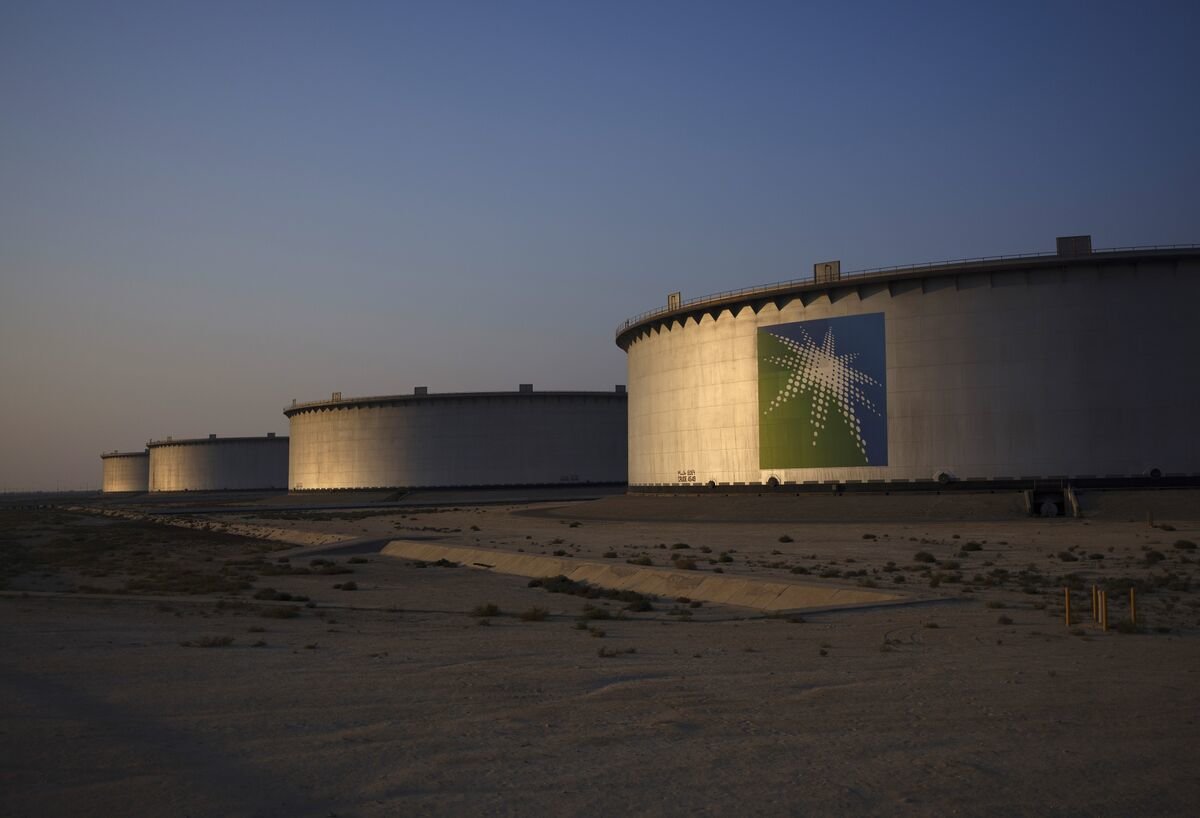
Saudi Arabia has cut the official selling price of its flagship crude grade for Asian customers to levels not seen in several years, reflecting mounting evidence of a global crude glut and slowing demand in key markets.
Latest pricing documents show that Saudi Aramco has lowered the premium on its benchmark Arab Light crude for February shipments to Asia to around $0.30 per barrel above the regional Oman/Dubai benchmark, down from higher premiums in recent months.
This marks one of the lowest price settings for the grade in more than five years as the world’s largest crude exporter adapts to softer market fundamentals.
The price reductions, which have been implemented for the third consecutive month, cover multiple crude grades and extend beyond Arab Light to include Super Light, Extra Light, Medium and Heavy classifications, indicating a coordinated strategy by Riyadh to defend market share and sustain competitiveness in Asia’s refining hubs.
Aramco’s official selling prices directly influence trade flows for roughly nine million barrels per day of crude to the Asian market and set benchmarks followed by other Middle Eastern suppliers.
Industry analysts interpret the move as a response to an increasingly oversupplied global market, with benchmark prices falling and inventories accumulating in key export regions.
Refiners in China, India and other Asian economies have been cautious amid weak diesel demand and economic uncertainty, dampening the outlook for crude offtake.
Sources tracking allocations also expect that lower pricing is already encouraging increased purchases from some buyers, even as overall regional demand remains subdued.
The pricing trend comes against the backdrop of OPEC+ dynamics and broader production patterns.
While the Organization of the Petroleum Exporting Countries and its allies agreed to modest output increases into late 2025, rising non-OPEC supply combined with tepid demand recovery has kept downward pressure on crude benchmarks.
Saudi Arabia’s willingness to adjust pricing underscores its dual priority of maintaining export volumes while guarding pricing relevance in a competitive global landscape.
Market participants note that if global supply continues to outpace consumption, further discounts from major producers could extend into 2026, potentially shaping refinery sourcing decisions and inventories across Asia’s key importers.
Observers say the price cuts signal a defensive posture by Riyadh as it balances short-term market share objectives with longer-term fiscal and strategic planning in the face of shifting energy dynamics.
Latest pricing documents show that Saudi Aramco has lowered the premium on its benchmark Arab Light crude for February shipments to Asia to around $0.30 per barrel above the regional Oman/Dubai benchmark, down from higher premiums in recent months.
This marks one of the lowest price settings for the grade in more than five years as the world’s largest crude exporter adapts to softer market fundamentals.
The price reductions, which have been implemented for the third consecutive month, cover multiple crude grades and extend beyond Arab Light to include Super Light, Extra Light, Medium and Heavy classifications, indicating a coordinated strategy by Riyadh to defend market share and sustain competitiveness in Asia’s refining hubs.
Aramco’s official selling prices directly influence trade flows for roughly nine million barrels per day of crude to the Asian market and set benchmarks followed by other Middle Eastern suppliers.
Industry analysts interpret the move as a response to an increasingly oversupplied global market, with benchmark prices falling and inventories accumulating in key export regions.
Refiners in China, India and other Asian economies have been cautious amid weak diesel demand and economic uncertainty, dampening the outlook for crude offtake.
Sources tracking allocations also expect that lower pricing is already encouraging increased purchases from some buyers, even as overall regional demand remains subdued.
The pricing trend comes against the backdrop of OPEC+ dynamics and broader production patterns.
While the Organization of the Petroleum Exporting Countries and its allies agreed to modest output increases into late 2025, rising non-OPEC supply combined with tepid demand recovery has kept downward pressure on crude benchmarks.
Saudi Arabia’s willingness to adjust pricing underscores its dual priority of maintaining export volumes while guarding pricing relevance in a competitive global landscape.
Market participants note that if global supply continues to outpace consumption, further discounts from major producers could extend into 2026, potentially shaping refinery sourcing decisions and inventories across Asia’s key importers.
Observers say the price cuts signal a defensive posture by Riyadh as it balances short-term market share objectives with longer-term fiscal and strategic planning in the face of shifting energy dynamics.