Saudi Arabia Affirms Sovereignty and Non-Aggression in Relations With Iran Amid Regional Tensions
Riyadh stresses respect for Iran’s territory and promotes dialogue while maintaining strategic caution amid broader geopolitical pressures
Saudi Arabia has publicly emphasised a firm commitment to respecting Iranian sovereignty and avoiding military escalation, even as tensions rise in the Middle East.
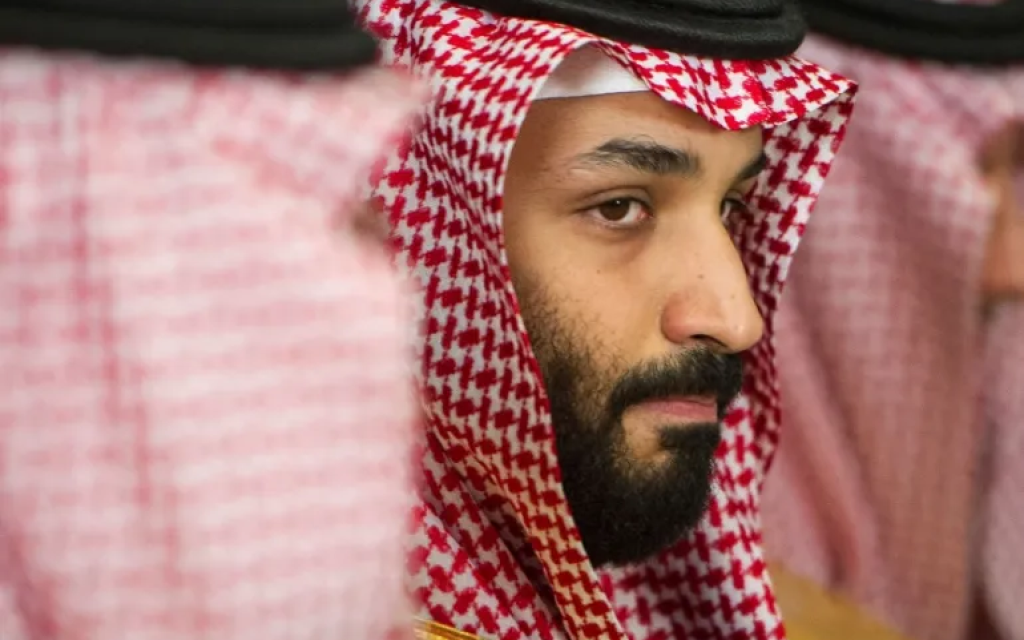
In a recent telephone conversation with Iran’s president, Saudi Crown Prince Mohammed bin Salman made clear that Riyadh will not permit its territory or airspace to be used for military actions against Iran, reaffirming that any differences between the two countries should be addressed through dialogue and diplomatic engagement.
This position underscores a cautious approach amid heightened regional anxieties.
The conversation with Iranian President Masoud Pezeshkian came against the backdrop of broader regional and international discussions, including increased United States military deployments and intense diplomatic activity surrounding Iran’s nuclear programme.
During the exchange, the crown prince reiterated that the kingdom would respect Iran’s sovereignty and avoid involvement in offensive military operations, framing this stance as an essential component of regional stability.
Tehran responded to Saudi assurances by expressing support for processes “within the framework of international law” that prevent conflict and promote peace, according to Iranian accounts of the call.
The Iranian president characterised any external threats as potential sources of instability in the region and welcomed diplomatic efforts to address shared security concerns.
Saudi Arabia’s position is consistent with similar declarations by other Gulf Cooperation Council states, which have underscored the importance of sovereignty and expressed a preference for de-escalation over confrontation.
These statements follow renewed diplomatic contacts between Riyadh and Tehran, including meetings since their 2023 rapprochement and ongoing discussions on issues of mutual interest.
While historical rivalries have shaped Saudi-Iran relations for decades, the latest assurances reflect a strategic calculation to avoid entanglement in direct conflict even as geopolitical tensions persist across the wider Middle East.
The kingdom’s stance is likely influenced by a desire to balance regional security with internal priorities and international diplomatic efforts.
By promoting non-aggression and dialogue, Saudi leadership aims to reduce the risk of broader conflict while managing complex ties with allied powers, including the United States, which continues to engage in regional security planning amid concerns over Iran’s nuclear and ballistic missile activities.
The emphasis on diplomacy suggests Riyadh seeks to navigate a volatile environment without undermining its own strategic interests or stability in the Gulf.
In a recent telephone conversation with Iran’s president, Saudi Crown Prince Mohammed bin Salman made clear that Riyadh will not permit its territory or airspace to be used for military actions against Iran, reaffirming that any differences between the two countries should be addressed through dialogue and diplomatic engagement.
This position underscores a cautious approach amid heightened regional anxieties.
The conversation with Iranian President Masoud Pezeshkian came against the backdrop of broader regional and international discussions, including increased United States military deployments and intense diplomatic activity surrounding Iran’s nuclear programme.
During the exchange, the crown prince reiterated that the kingdom would respect Iran’s sovereignty and avoid involvement in offensive military operations, framing this stance as an essential component of regional stability.
Tehran responded to Saudi assurances by expressing support for processes “within the framework of international law” that prevent conflict and promote peace, according to Iranian accounts of the call.
The Iranian president characterised any external threats as potential sources of instability in the region and welcomed diplomatic efforts to address shared security concerns.
Saudi Arabia’s position is consistent with similar declarations by other Gulf Cooperation Council states, which have underscored the importance of sovereignty and expressed a preference for de-escalation over confrontation.
These statements follow renewed diplomatic contacts between Riyadh and Tehran, including meetings since their 2023 rapprochement and ongoing discussions on issues of mutual interest.
While historical rivalries have shaped Saudi-Iran relations for decades, the latest assurances reflect a strategic calculation to avoid entanglement in direct conflict even as geopolitical tensions persist across the wider Middle East.
The kingdom’s stance is likely influenced by a desire to balance regional security with internal priorities and international diplomatic efforts.
By promoting non-aggression and dialogue, Saudi leadership aims to reduce the risk of broader conflict while managing complex ties with allied powers, including the United States, which continues to engage in regional security planning amid concerns over Iran’s nuclear and ballistic missile activities.
The emphasis on diplomacy suggests Riyadh seeks to navigate a volatile environment without undermining its own strategic interests or stability in the Gulf.