Saudi Arabia Holds Firm on Israel Normalization Preconditions Amid Diplomatic Pressure
Riyadh reiterates it will not formalize ties with Israel until Palestinian statehood and war cessation conditions are met
Saudi Arabia has reaffirmed its steadfast position that it will not normalize diplomatic relations with Israel until specific conditions tied to the Israeli–Palestinian conflict are fulfilled.
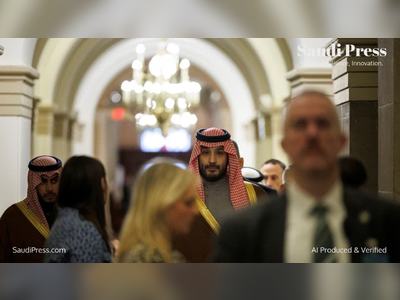
Riyadh’s leadership, including the Foreign Ministry and Crown Prince Mohammed bin Salman, has consistently stated that full normalization is contingent on clear progress toward the establishment of an independent Palestinian state with East Jerusalem as its capital and an end to ongoing hostilities in Gaza and the broader region.
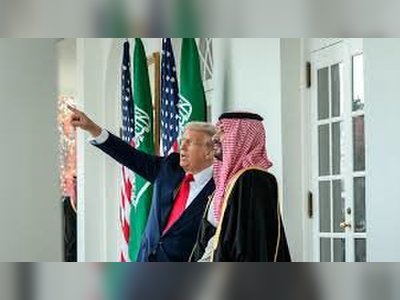
This stance has been emphasized in recent high-level diplomatic engagements, including meetings with the United States, where Saudi officials have resisted proposals to accelerate normalization without these prerequisites.
Saudi Arabia’s approach reflects its long-standing endorsement of a two-state solution and the Arab Peace Initiative framework, which conditions recognition of Israel on the creation of a sovereign Palestinian state.
Despite sustained outreach from U.S. leaders seeking to bring Riyadh into a broader circle of regional peace agreements, Saudi authorities have maintained that formal ties with Jerusalem cannot proceed while the Palestinian issue remains unresolved.
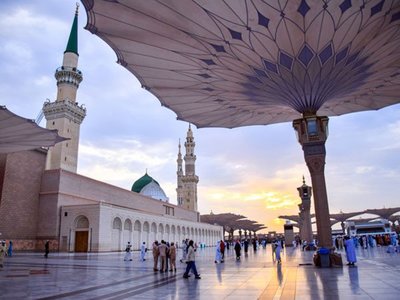
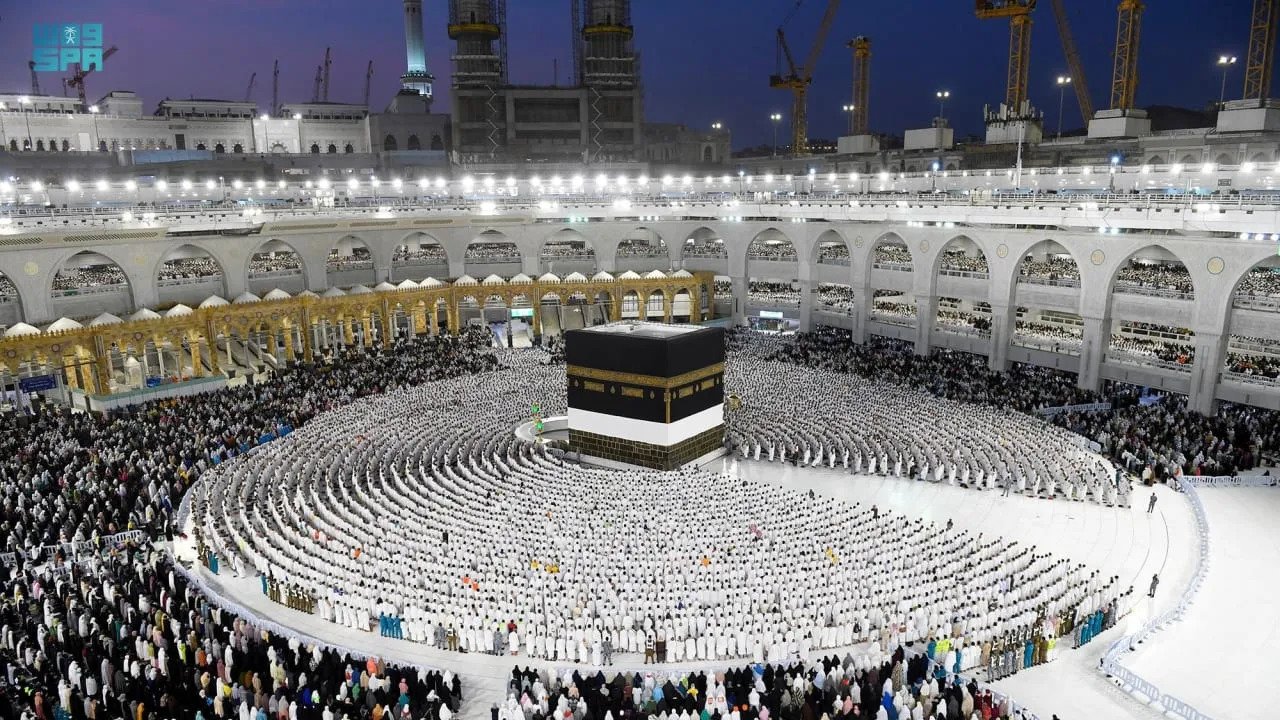
In reiterating this position publicly, Saudi Arabia has underscored its role as a major Arab power and guardian of Islamic holy sites, portraying its demands as necessary to achieving a just and sustainable peace for the region.
Analysts note that the continuation of the Gaza war, deepening public sentiment across the Arab world, and the centrality of Palestinian statehood to Saudi foreign policy make unconditional normalization unlikely in the near term.
Informal contacts and economic discussions between the two countries may persist, but official diplomatic recognition remains anchored to significant political progress on Palestinian rights and security guarantees for the region.
Riyadh’s leadership, including the Foreign Ministry and Crown Prince Mohammed bin Salman, has consistently stated that full normalization is contingent on clear progress toward the establishment of an independent Palestinian state with East Jerusalem as its capital and an end to ongoing hostilities in Gaza and the broader region.
This stance has been emphasized in recent high-level diplomatic engagements, including meetings with the United States, where Saudi officials have resisted proposals to accelerate normalization without these prerequisites.
Saudi Arabia’s approach reflects its long-standing endorsement of a two-state solution and the Arab Peace Initiative framework, which conditions recognition of Israel on the creation of a sovereign Palestinian state.
Despite sustained outreach from U.S. leaders seeking to bring Riyadh into a broader circle of regional peace agreements, Saudi authorities have maintained that formal ties with Jerusalem cannot proceed while the Palestinian issue remains unresolved.
In reiterating this position publicly, Saudi Arabia has underscored its role as a major Arab power and guardian of Islamic holy sites, portraying its demands as necessary to achieving a just and sustainable peace for the region.
Analysts note that the continuation of the Gaza war, deepening public sentiment across the Arab world, and the centrality of Palestinian statehood to Saudi foreign policy make unconditional normalization unlikely in the near term.
Informal contacts and economic discussions between the two countries may persist, but official diplomatic recognition remains anchored to significant political progress on Palestinian rights and security guarantees for the region.