Saudi Arabia Emerges as Major Financial Backer in Hollywood as Global Film Financing Tightens
Riyadh’s sovereign investment and cultural initiatives are injecting capital into U.S. film production and international entertainment ventures
Saudi Arabia has significantly expanded its role as a financial supporter of Hollywood and the global film industry, offering fresh capital at a moment when traditional U.S. studios and independent producers face tightening budgets and declining revenues.
The kingdom’s sovereign wealth fund, the Public Investment Fund (PIF), has pledged more than one billion dollars toward the launch of a new production studio in the United States, underscoring Riyadh’s growing influence in entertainment financing and global media production.
This infusion comes as Hollywood grapples with cost pressures, including shrinking streaming budgets, slower box office growth and heightened investor scrutiny.
The new studio, co-founded with veteran producer Erik Feig and Japanese gaming company SNK, aims to finance and produce films and television series that might otherwise struggle to secure funding, offering a lifeline to creative projects in a constrained economic environment.
Saudi Arabia’s involvement reflects a broader strategy under its Vision 2030 initiative to diversify the economy away from oil and bolster its cultural and entertainment sectors.
Investments in film are part of a wider push by Riyadh to establish itself as a global cultural power.
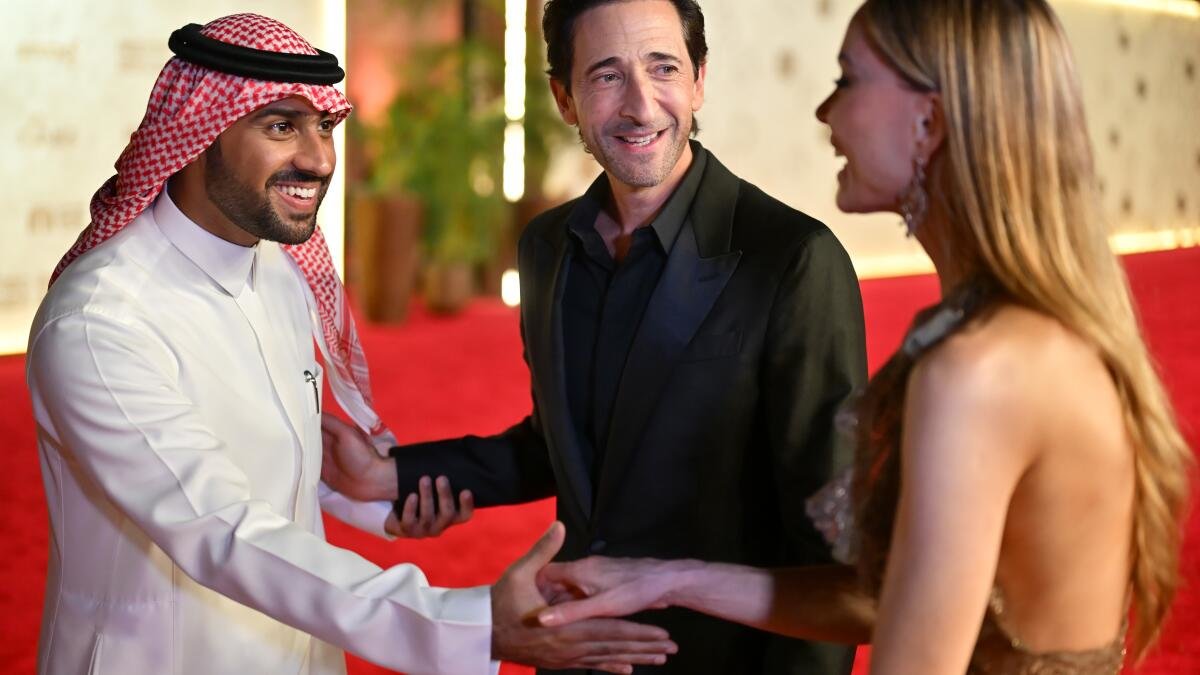
Domestically, the kingdom has rapidly built out the infrastructure to support filmmaking, including the Red Sea International Film Festival in Jeddah, which attracts international talent and showcases emerging storytellers.
State agencies such as the Saudi Film Commission now offer cash rebates and financing programmes to lure international producers, while projects filmed in Saudi Arabia, including large-budget international collaborations, have increased the nation’s visibility on the global stage.
Critics question the implications of deepening financial ties between Saudi capital and Hollywood, as well as concerns over artistic independence and cultural influence.
Nonetheless, for an industry facing fiscal constraints, the availability of Saudi investment has begun to reshape financing models, enabling more projects to reach production and helping sustain employment within the creative sector.
As the kingdom amplifies its engagement with the entertainment world, its financial footprint in Hollywood is likely to grow, reflecting both economic ambition and a desire to cultivate a lasting cultural presence on the global cinematic map.
The kingdom’s sovereign wealth fund, the Public Investment Fund (PIF), has pledged more than one billion dollars toward the launch of a new production studio in the United States, underscoring Riyadh’s growing influence in entertainment financing and global media production.
This infusion comes as Hollywood grapples with cost pressures, including shrinking streaming budgets, slower box office growth and heightened investor scrutiny.
The new studio, co-founded with veteran producer Erik Feig and Japanese gaming company SNK, aims to finance and produce films and television series that might otherwise struggle to secure funding, offering a lifeline to creative projects in a constrained economic environment.
Saudi Arabia’s involvement reflects a broader strategy under its Vision 2030 initiative to diversify the economy away from oil and bolster its cultural and entertainment sectors.
Investments in film are part of a wider push by Riyadh to establish itself as a global cultural power.
Domestically, the kingdom has rapidly built out the infrastructure to support filmmaking, including the Red Sea International Film Festival in Jeddah, which attracts international talent and showcases emerging storytellers.
State agencies such as the Saudi Film Commission now offer cash rebates and financing programmes to lure international producers, while projects filmed in Saudi Arabia, including large-budget international collaborations, have increased the nation’s visibility on the global stage.
Critics question the implications of deepening financial ties between Saudi capital and Hollywood, as well as concerns over artistic independence and cultural influence.
Nonetheless, for an industry facing fiscal constraints, the availability of Saudi investment has begun to reshape financing models, enabling more projects to reach production and helping sustain employment within the creative sector.
As the kingdom amplifies its engagement with the entertainment world, its financial footprint in Hollywood is likely to grow, reflecting both economic ambition and a desire to cultivate a lasting cultural presence on the global cinematic map.