Russia Boosts Fuel Oil Exports to Saudi Arabia as Global Energy Trade Routes Shift
Data indicates a rise in Russian fuel oil shipments to Saudi Arabia in March amid changing refinery demand and global sanctions-driven trade realignment
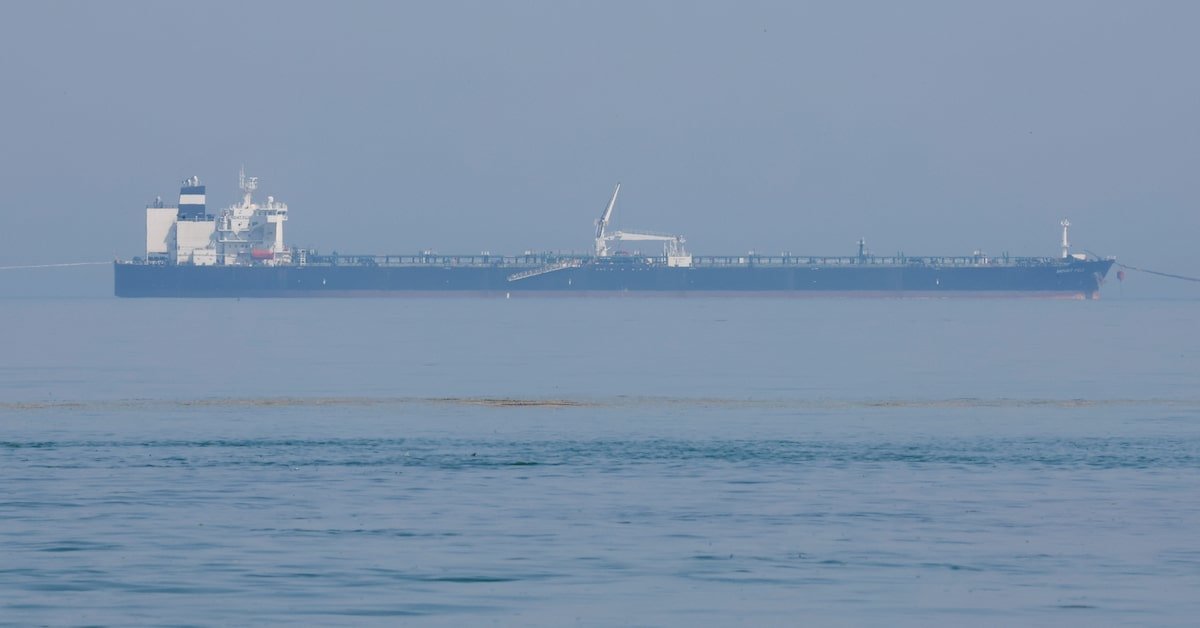
Energy trade data tracking global refined product flows shows that Russia increased its fuel oil exports to Saudi Arabia in March, reflecting ongoing adjustments in global energy supply chains shaped by sanctions, shifting demand patterns, and regional refinery needs.
The increase in shipments comes as Russian exporters continue to redirect fuel oil and other refined products away from traditional European markets toward alternative buyers in Asia and the Middle East.
Saudi Arabia’s purchases of Russian fuel oil are part of a broader pattern in which Gulf states have selectively increased imports of discounted refined products for use in power generation and industrial applications, particularly during periods of seasonal demand.
What is confirmed is that Russia’s refined product exports have been undergoing structural reorientation since Western sanctions disrupted traditional trade routes following the invasion of Ukraine in 2022. This has led to expanded flows toward countries in Asia, Africa, and the Middle East, with Saudi Arabia emerging as one of several occasional buyers depending on price and domestic energy requirements.
The reported rise in March shipments reflects opportunistic trading conditions rather than a formal long-term supply arrangement.
Fuel oil, a lower-value refined product often used in power generation, is frequently traded on spot markets where volumes can fluctuate significantly month to month based on pricing differentials and shipping availability.
Saudi Arabia, as the world’s largest crude exporter, also operates domestic fuel systems that can require supplemental refined product imports at times of peak electricity demand, particularly during seasonal heat waves when power consumption rises sharply.
However, officials have not publicly linked the increased Russian inflows to any specific policy shift or structural dependency.
What remains unclear is whether the March increase represents a temporary spike driven by market arbitrage or the beginning of a more sustained expansion in Russian-Saudi refined product trade, as global energy flows continue to adjust to sanctions, price caps, and shifting refinery margins.
The increase in shipments comes as Russian exporters continue to redirect fuel oil and other refined products away from traditional European markets toward alternative buyers in Asia and the Middle East.
Saudi Arabia’s purchases of Russian fuel oil are part of a broader pattern in which Gulf states have selectively increased imports of discounted refined products for use in power generation and industrial applications, particularly during periods of seasonal demand.
What is confirmed is that Russia’s refined product exports have been undergoing structural reorientation since Western sanctions disrupted traditional trade routes following the invasion of Ukraine in 2022. This has led to expanded flows toward countries in Asia, Africa, and the Middle East, with Saudi Arabia emerging as one of several occasional buyers depending on price and domestic energy requirements.
The reported rise in March shipments reflects opportunistic trading conditions rather than a formal long-term supply arrangement.
Fuel oil, a lower-value refined product often used in power generation, is frequently traded on spot markets where volumes can fluctuate significantly month to month based on pricing differentials and shipping availability.
Saudi Arabia, as the world’s largest crude exporter, also operates domestic fuel systems that can require supplemental refined product imports at times of peak electricity demand, particularly during seasonal heat waves when power consumption rises sharply.
However, officials have not publicly linked the increased Russian inflows to any specific policy shift or structural dependency.
What remains unclear is whether the March increase represents a temporary spike driven by market arbitrage or the beginning of a more sustained expansion in Russian-Saudi refined product trade, as global energy flows continue to adjust to sanctions, price caps, and shifting refinery margins.