US-brokered talks between Lebanon and Israel set to discuss ceasefire extension
Lebanon and Israel hold their second round of ambassador-level talks at the White House to explore extending a truce with Hezbollah and negotiating future relations.
The United States-mediated talks between Lebanon and Israel are scheduled for Thursday, focusing on the potential extension of a ceasefire between Israel and the Hezbollah militant group.
This marks the second session of direct negotiations between the two countries in three decades, following their first meeting earlier this week at the White House.
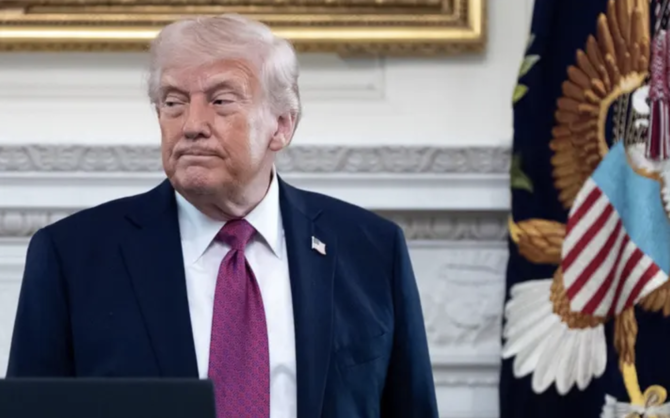
US President Donald Trump is expected to welcome both Lebanese Ambassador Nada Hamadeh Moawad and her Israeli counterpart Yechiel Leiter upon their arrival.
The talks will be attended by Secretary of State Marco Rubio, along with other high-ranking officials from the US Department of State and respective ambassadorial delegates from Lebanon and Israel.
Lebanon's President Joseph Aoun emphasized that Hamadeh will advocate for extending the current 10-day ceasefire and call for an end to Israeli home demolitions in occupied territories.
The future talks aim to achieve a complete halt of Israeli attacks, withdrawal of troops from Lebanese territory, prisoner exchanges, deployment of Lebanese forces along the border, and commencing reconstruction efforts.
Israeli Foreign Minister Gideon Saar has urged Lebanon to collaborate with Israel in disarming Hezbollah, describing it as the primary obstacle to peace between the two nations.
He portrayed Lebanon as a 'failed state,' although acknowledging minor territorial disputes that can be resolved.
The recent conflict began when Hezbollah launched rocket attacks on northern Israel following Israeli and US strikes on Iran.
This prompted a widespread bombardment of Lebanon and a ground invasion by Israel, resulting in the capture of several Lebanese territories.
Hezbollah has expressed disapproval of the direct talks, with Wafiq Safa, a senior member of its political council, stating that it will not adhere to any agreements made during these discussions.
Despite this opposition, the dialogue represents an important step towards peace between Lebanon and Israel, who have technically been at war since 1948.
Both sides have faced criticism over ceasefire violations since its implementation last week.
The death of Lebanese journalist Amal Khalil due to an Israeli strike and alleged attacks on rescuers sparked widespread condemnation in Lebanon as the talks commenced.
The ongoing conflict has resulted in approximately 2,300 fatalities in Lebanon, including numerous civilians, and displaced over a million individuals.
These diplomatic discussions mark a significant shift from previous indirect communication methods facilitated by the US or UNIFIL, aiming to establish more formal channels of negotiation between Lebanon and Israel.
This marks the second session of direct negotiations between the two countries in three decades, following their first meeting earlier this week at the White House.
US President Donald Trump is expected to welcome both Lebanese Ambassador Nada Hamadeh Moawad and her Israeli counterpart Yechiel Leiter upon their arrival.
The talks will be attended by Secretary of State Marco Rubio, along with other high-ranking officials from the US Department of State and respective ambassadorial delegates from Lebanon and Israel.
Lebanon's President Joseph Aoun emphasized that Hamadeh will advocate for extending the current 10-day ceasefire and call for an end to Israeli home demolitions in occupied territories.
The future talks aim to achieve a complete halt of Israeli attacks, withdrawal of troops from Lebanese territory, prisoner exchanges, deployment of Lebanese forces along the border, and commencing reconstruction efforts.
Israeli Foreign Minister Gideon Saar has urged Lebanon to collaborate with Israel in disarming Hezbollah, describing it as the primary obstacle to peace between the two nations.
He portrayed Lebanon as a 'failed state,' although acknowledging minor territorial disputes that can be resolved.
The recent conflict began when Hezbollah launched rocket attacks on northern Israel following Israeli and US strikes on Iran.
This prompted a widespread bombardment of Lebanon and a ground invasion by Israel, resulting in the capture of several Lebanese territories.
Hezbollah has expressed disapproval of the direct talks, with Wafiq Safa, a senior member of its political council, stating that it will not adhere to any agreements made during these discussions.
Despite this opposition, the dialogue represents an important step towards peace between Lebanon and Israel, who have technically been at war since 1948.
Both sides have faced criticism over ceasefire violations since its implementation last week.
The death of Lebanese journalist Amal Khalil due to an Israeli strike and alleged attacks on rescuers sparked widespread condemnation in Lebanon as the talks commenced.
The ongoing conflict has resulted in approximately 2,300 fatalities in Lebanon, including numerous civilians, and displaced over a million individuals.
These diplomatic discussions mark a significant shift from previous indirect communication methods facilitated by the US or UNIFIL, aiming to establish more formal channels of negotiation between Lebanon and Israel.