Qibah: A Historical Hub Transformed into a Modern Landmark
Explore the evolution of Qibah from a vital caravan hub to a thriving tourist destination that showcases Saudi Arabia's rich history and culture.
Located 150 kilometers northeast of Buraidah in Al-Asyah governorate, Qibah stands as the eastern gateway to the Qassim region, connecting it to Hail, Riyadh, Eastern, and Northern Borders regions.
Historically a key supply station on trade routes from Iraq, Qibah transformed into a settled community during the Kingdom's unification.
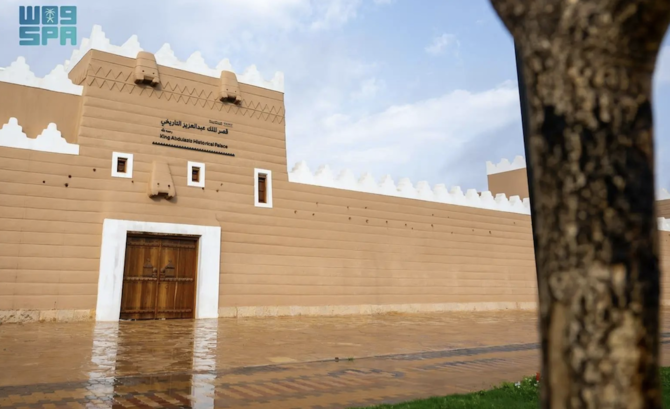
The King Abdulaziz Historical Palace, constructed in 1932, is the area’s most significant landmark.
This mud-brick fortress spans 15,000 square meters and features five defensive watchtowers, guest rooms, administrative offices, and a mosque.
Alongside the old emirate building and traditional market, the site underscores the region's historical and defensive importance during the founding era of the Saudi state.
Economically, Qibah has evolved into a modern logistical and industrial hub, housing the Al-Baitha Mine, a major national project for bauxite production.
This diversifies the local economy significantly.
Additionally, agriculture remains strong in Qibah, with dates and seasonal crops produced via groundwater irrigation, supporting a robust livestock and camel breeding sector.
Qibah continues to enhance its infrastructure and services, aligning with Saudi Vision 2030 to empower promising regional centers.
By integrating its rich archaeological heritage with modern mining and logistics, it plays a crucial role as a vital contributor to the national economy and key transit point for trade across the Kingdom's northern corridors.
Historically a key supply station on trade routes from Iraq, Qibah transformed into a settled community during the Kingdom's unification.
The King Abdulaziz Historical Palace, constructed in 1932, is the area’s most significant landmark.
This mud-brick fortress spans 15,000 square meters and features five defensive watchtowers, guest rooms, administrative offices, and a mosque.
Alongside the old emirate building and traditional market, the site underscores the region's historical and defensive importance during the founding era of the Saudi state.
Economically, Qibah has evolved into a modern logistical and industrial hub, housing the Al-Baitha Mine, a major national project for bauxite production.
This diversifies the local economy significantly.
Additionally, agriculture remains strong in Qibah, with dates and seasonal crops produced via groundwater irrigation, supporting a robust livestock and camel breeding sector.
Qibah continues to enhance its infrastructure and services, aligning with Saudi Vision 2030 to empower promising regional centers.
By integrating its rich archaeological heritage with modern mining and logistics, it plays a crucial role as a vital contributor to the national economy and key transit point for trade across the Kingdom's northern corridors.