Korea-Arab Friendship Caravan Showcases Cultural Exchange in Riyadh
Annual event highlights shared heritage through performing arts.
The 18th Korea-Arab Friendship Caravan made a stop in Riyadh, Saudi Arabia, on Friday to foster cultural ties and exchange.
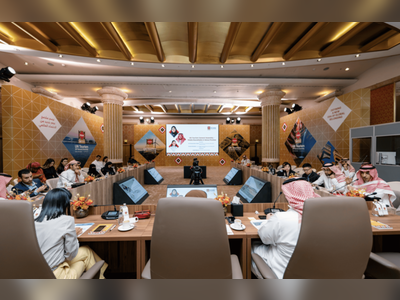
Organized by the Korea-Arab Society, in collaboration with the South Korean Embassy in Saudi Arabia, the event took place at Prince Sultan University as part of an ongoing cultural initiative between Korea and the Arab world.
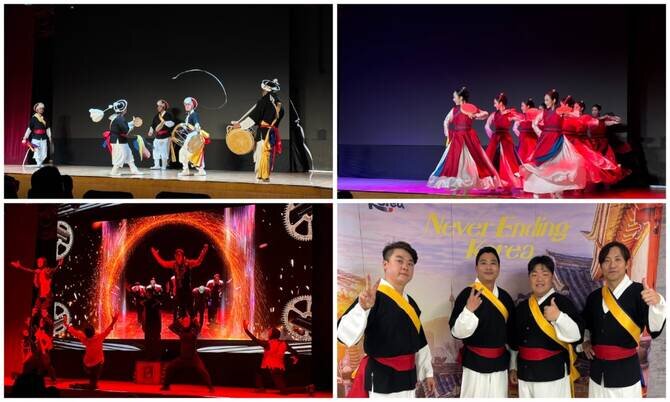
This year's tour presented a diverse program featuring five live performances that aimed to introduce Saudi audiences to various elements of Korean heritage and contemporary entertainment.
The lineup included traditional acts such as Pangut, Bokgae-Chum, Buchae-Chum, Samulnori, and the modern B-boy theater show Marionette by Expression Crew.
Ko You Min from the Pangut team expressed the significance of their performance in Saudi Arabia, noting it was both a valuable experience and their first time performing in the Kingdom.
The Korea-Arab Society, established in 2008 as a nonprofit organization, has been at the forefront of cultural, economic, and academic cooperation between Korea and Arab nations.
The event underscored the exchange's depth by showcasing different facets of Korean artistic identity.
Pangut featured traditional musicians playing drums and wind instruments while spinning colorful ribbons.
Bokgae-Chum used a symbolic rice-bowl lid to convey blessings and protection through dance.
Buchae-Chum demonstrated synchronized fan movements representing natural elements, while Samulnori highlighted the powerful rhythms of Korea's core percussion instruments.
The evening concluded with Marionette, offering a fusion of hip-hop choreography, silent theater, and visual storytelling by Expression Crew, one of Asia's most renowned B-boy groups.
The performance attracted a diverse crowd including students, faculty, diplomats, and others reflecting Saudi Arabia’s growing interest in international cultural programs.
Prince Sultan University hosted the event as part of its efforts to expose students to global arts and traditions.
Organizers emphasized that the caravan serves as a platform for 'connecting cultures through performance,' blending traditional acts with modern entertainment to engage new audiences across the region.
The tour will continue throughout the year, presenting the same program in various settings across Arab countries.
Organized by the Korea-Arab Society, in collaboration with the South Korean Embassy in Saudi Arabia, the event took place at Prince Sultan University as part of an ongoing cultural initiative between Korea and the Arab world.
This year's tour presented a diverse program featuring five live performances that aimed to introduce Saudi audiences to various elements of Korean heritage and contemporary entertainment.
The lineup included traditional acts such as Pangut, Bokgae-Chum, Buchae-Chum, Samulnori, and the modern B-boy theater show Marionette by Expression Crew.
Ko You Min from the Pangut team expressed the significance of their performance in Saudi Arabia, noting it was both a valuable experience and their first time performing in the Kingdom.
The Korea-Arab Society, established in 2008 as a nonprofit organization, has been at the forefront of cultural, economic, and academic cooperation between Korea and Arab nations.
The event underscored the exchange's depth by showcasing different facets of Korean artistic identity.
Pangut featured traditional musicians playing drums and wind instruments while spinning colorful ribbons.
Bokgae-Chum used a symbolic rice-bowl lid to convey blessings and protection through dance.
Buchae-Chum demonstrated synchronized fan movements representing natural elements, while Samulnori highlighted the powerful rhythms of Korea's core percussion instruments.
The evening concluded with Marionette, offering a fusion of hip-hop choreography, silent theater, and visual storytelling by Expression Crew, one of Asia's most renowned B-boy groups.
The performance attracted a diverse crowd including students, faculty, diplomats, and others reflecting Saudi Arabia’s growing interest in international cultural programs.
Prince Sultan University hosted the event as part of its efforts to expose students to global arts and traditions.
Organizers emphasized that the caravan serves as a platform for 'connecting cultures through performance,' blending traditional acts with modern entertainment to engage new audiences across the region.
The tour will continue throughout the year, presenting the same program in various settings across Arab countries.