Asir's Ancient Grain Silos: A Testament to Cultural Cooperation
Beyond mere storage, Asir's grain silos embodied cooperation and community spirit through ingenious preservation techniques.
In the mountainous region of Asir in Saudi Arabia, agriculture has long transcended seasonal activity, evolving into a comprehensive culture rooted deeply in cooperation and solidarity.
For generations, inhabitants developed unique methods to preserve their grain crops, including wheat, corn, and barley, using ingenious techniques that were both practical and sustainable, accounting for the harsh climate and ensuring food preservation over extended periods.The construction of silos was pivotal in these efforts.
These silos were designed with the intent to protect grain from heat, humidity, and insect infestation.
They featured multiple locks, a security measure requiring the collective presence of chosen trustees to open, thus safeguarding public funds and preventing misuse.Researcher Ghithan Jrais provides insight into this traditional agricultural practice.
According to his findings, farmers in each village contributed a portion of their harvest, known as a tithe, which was allocated towards community finances and stored within meticulously constructed silos.
These early grain storage facilities functioned similarly to modern ones, showcasing the sophisticated understanding of agriculture and food preservation in ancient times.The significance of these silos extended beyond mere storage.
The tithes stored in them were utilized for communal purposes, such as aiding those in need, settling debts, and honoring guests.
This practice was a tangible embodiment of the community spirit, emphasizing unity and support within the village.In heritage villages like Al-Yanfa, southeast of Abha, the remnants of this legacy are still visible today.
Centuries ago, villagers excavated underground silos more than 2 meters deep, creating natural containers for grain preservation that lasted for years.
These self-sufficient communities were prepared for emergencies thanks to such a robust system.A notable feature of Al-Yanfa's 'community house' is a large room beneath the main council chamber containing seven major silos.
Managed transparently by villagers, these facilities catered to local needs, particularly during times of drought or scarcity.In the Tihama region of Asir, especially in Ahad Tharban mountain, silos were adapted to fit the specific environment.
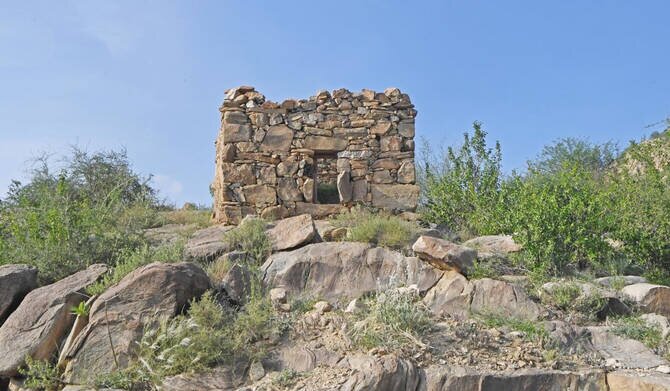
Small stone structures built atop solid igneous rocks were used for storing corn, barley, and sesame.
These structures had tightly sealed doors with no windows, ensuring a dry and preserved environment that maintained food quality for centuries.The ancient methods of grain preservation represented in Asir's silos offer a glimpse into a rich cultural heritage marked by human ingenuity and adaptation.
Whether underground or atop mountains, these silos were more than just storage facilities; they symbolized social solidarity and sustainable food security, embodying the essence of cooperative living.
For generations, inhabitants developed unique methods to preserve their grain crops, including wheat, corn, and barley, using ingenious techniques that were both practical and sustainable, accounting for the harsh climate and ensuring food preservation over extended periods.The construction of silos was pivotal in these efforts.
These silos were designed with the intent to protect grain from heat, humidity, and insect infestation.
They featured multiple locks, a security measure requiring the collective presence of chosen trustees to open, thus safeguarding public funds and preventing misuse.Researcher Ghithan Jrais provides insight into this traditional agricultural practice.
According to his findings, farmers in each village contributed a portion of their harvest, known as a tithe, which was allocated towards community finances and stored within meticulously constructed silos.
These early grain storage facilities functioned similarly to modern ones, showcasing the sophisticated understanding of agriculture and food preservation in ancient times.The significance of these silos extended beyond mere storage.
The tithes stored in them were utilized for communal purposes, such as aiding those in need, settling debts, and honoring guests.
This practice was a tangible embodiment of the community spirit, emphasizing unity and support within the village.In heritage villages like Al-Yanfa, southeast of Abha, the remnants of this legacy are still visible today.
Centuries ago, villagers excavated underground silos more than 2 meters deep, creating natural containers for grain preservation that lasted for years.
These self-sufficient communities were prepared for emergencies thanks to such a robust system.A notable feature of Al-Yanfa's 'community house' is a large room beneath the main council chamber containing seven major silos.
Managed transparently by villagers, these facilities catered to local needs, particularly during times of drought or scarcity.In the Tihama region of Asir, especially in Ahad Tharban mountain, silos were adapted to fit the specific environment.
Small stone structures built atop solid igneous rocks were used for storing corn, barley, and sesame.
These structures had tightly sealed doors with no windows, ensuring a dry and preserved environment that maintained food quality for centuries.The ancient methods of grain preservation represented in Asir's silos offer a glimpse into a rich cultural heritage marked by human ingenuity and adaptation.
Whether underground or atop mountains, these silos were more than just storage facilities; they symbolized social solidarity and sustainable food security, embodying the essence of cooperative living.