KAUST Study Explains How Cells Respond to Acidic Stress
A recent study conducted by researchers at King Abdullah University of Science and Technology (KAUST) has shed light on how human cells respond to mildly acidic conditions. These conditions are commonly found in tumors, inflamed tissues, and aging organs but have previously been poorly understood.
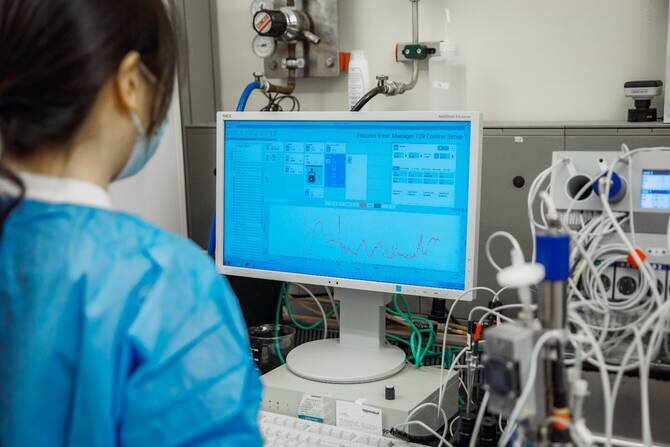
The research, published in Communications Biology, focused on the effects of even mild extracellular acidity on cellular function. According to Associate Professor Mo Li from KAUST, the study utilized a precisely controlled bioreactor system to demonstrate that such acidity can disrupt energy production and impair mitochondrial function while also triggering stress responses.
One significant finding was that supplementing cells with a longevity-related molecule could partially restore metabolic function and improve cellular health under acidic stress. This discovery suggests potential strategies for protecting cells and supporting human health in the presence of similar acidic conditions, which are associated with diseases such as cancer and inflammation.
The researchers utilized a novel multi-omics framework to link acidity to various biological responses including metabolic reprogramming, immune activation, and mitochondrial genome instability. Their integrated approach combined metabolomics, transcriptomics, and epigenomics data to better understand the direct effects of pH on human cells.
This groundbreaking research provides valuable insights into the complex interactions between cellular health and acidic conditions in disease states. The findings have implications for developing future strategies aimed at protecting cells and maintaining overall health.