Jordan's Capital Expenditure Surges 60% in First Two Months of 2026
Government spending on infrastructure projects and economic initiatives increases significantly.
Riyadh - Jordan's capital expenditure saw a substantial increase of 60.4 percent year-on-year in the first two months of 2026, totaling 1.98 billion Jordanian dinars ($2.79 billion) by the end of February.
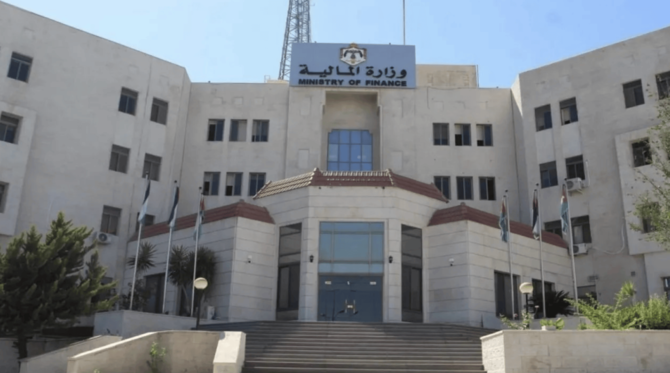
This surge in government spending is aimed at boosting economic activity and enhancing public infrastructure across the nation.The rise in capital expenditure, as reported by the Ministry of Finance bulletin, can be primarily attributed to a strategic decision to accelerate project spending early in the fiscal year.
Notable allocations were made towards various sectors, including the development of the Risha gas field, equipping Ma'an Military Hospital, teacher-training initiatives, municipal development projects, and support for the Jordan Tourism Board, according to the Petra news agency.Jordan's commitment to maintaining economic stability has been recognized by S&P Global, which has maintained the country's long-term sovereign credit rating at 'BB-' with a stable outlook.
This decision underscores Jordan's resilience amidst heightened regional security challenges.
S&P Global attributes this assessment to macroeconomic stability, steady progress on financial and structural reforms, and continued international support.
Growth is projected to accelerate to 3 percent in 2026 and 3.1 percent in 2027.According to the latest Petra statement, domestic revenues also experienced a steady climb, rising by 36.3 million dinars, or 2.5 percent, reaching 1.48 billion dinars by the end of February 2026, up from 1.44 billion dinars during the same period in 2025.
The growth in domestic revenue was primarily driven by a significant increase in non-tax revenues, which rose by 70 million dinars during the first two months of the year to reach 424.7 million dinars.Additionally, foreign grants received by Jordan in January and February amounted to 16.3 million dinars, an increase from the 3.4 million dinars recorded in the same period a year earlier.
Total public revenues, including grants, reached 1.49 billion dinars, up from 1.44 billion dinars in the corresponding period previously.Jordan aims to lower its public debt-to-gross domestic product (GDP) ratio to 80 percent by 2028 under an International Monetary Fund-backed reform program.
Finance Minister Abdul Hakim Al-Shibli highlighted this goal in July, emphasizing the government's commitment to economic stability and growth.The ongoing support for Gulf Cooperation Council equities through 2026 is expected to remain strong due to robust fiscal positions and continued momentum in reform initiatives, according to regional and international research.
This surge in government spending is aimed at boosting economic activity and enhancing public infrastructure across the nation.The rise in capital expenditure, as reported by the Ministry of Finance bulletin, can be primarily attributed to a strategic decision to accelerate project spending early in the fiscal year.
Notable allocations were made towards various sectors, including the development of the Risha gas field, equipping Ma'an Military Hospital, teacher-training initiatives, municipal development projects, and support for the Jordan Tourism Board, according to the Petra news agency.Jordan's commitment to maintaining economic stability has been recognized by S&P Global, which has maintained the country's long-term sovereign credit rating at 'BB-' with a stable outlook.
This decision underscores Jordan's resilience amidst heightened regional security challenges.
S&P Global attributes this assessment to macroeconomic stability, steady progress on financial and structural reforms, and continued international support.
Growth is projected to accelerate to 3 percent in 2026 and 3.1 percent in 2027.According to the latest Petra statement, domestic revenues also experienced a steady climb, rising by 36.3 million dinars, or 2.5 percent, reaching 1.48 billion dinars by the end of February 2026, up from 1.44 billion dinars during the same period in 2025.
The growth in domestic revenue was primarily driven by a significant increase in non-tax revenues, which rose by 70 million dinars during the first two months of the year to reach 424.7 million dinars.Additionally, foreign grants received by Jordan in January and February amounted to 16.3 million dinars, an increase from the 3.4 million dinars recorded in the same period a year earlier.
Total public revenues, including grants, reached 1.49 billion dinars, up from 1.44 billion dinars in the corresponding period previously.Jordan aims to lower its public debt-to-gross domestic product (GDP) ratio to 80 percent by 2028 under an International Monetary Fund-backed reform program.
Finance Minister Abdul Hakim Al-Shibli highlighted this goal in July, emphasizing the government's commitment to economic stability and growth.The ongoing support for Gulf Cooperation Council equities through 2026 is expected to remain strong due to robust fiscal positions and continued momentum in reform initiatives, according to regional and international research.