Hajj Health Situation Stable as Saudi Arabia's Transport and Security Systems Operate Efficiently
The Ministry of Health confirms that the health situation remains stable for over 1.7 million pilgrims, with no significant public health threats reported.
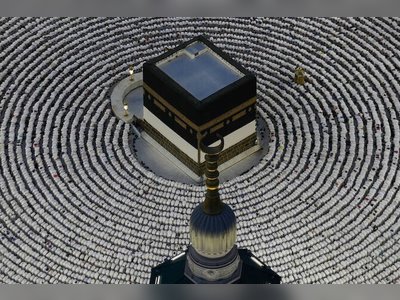
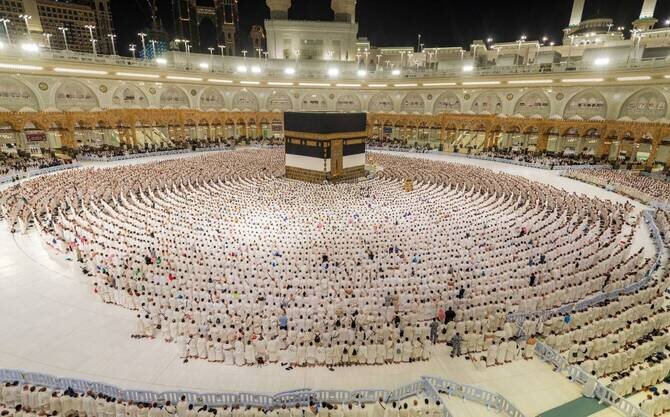
Saudi Arabia has affirmed that the overall health condition of more than 1.7 million pilgrims this year remains stable and reassuring, without any substantial public health concerns arising.
This stability is attributed to an advanced healthcare system operating at high efficiency, supported by a well-trained national workforce, proactive planning, and modern technologies for surveillance and rapid response.The Ministry of Health spokesperson, Abdulaziz Abdulbaqi, provided insights during the final Hajj security and health briefing.
Accompanying him were key officials from the Ministries of Interior, Hajj and Umrah, and Transport and Logistics Services, including Brig. Gen. Talal bin Abdulmohsen Al-Shalhoub, Ghassan Al-Nuaimi, and Abdulaziz Al-Otaibi.Abdulbaqi detailed that as of May 27, healthcare services to pilgrims have exceeded 1.2 million under a comprehensive health program.
This included more than 41,000 emergency department visits, over 4,900 hospital admissions, and approximately 50,000 individuals benefiting from primary healthcare centers and urgent care services.
Outpatient consultations reached more than 14,000, and 83,000 emergency cases were managed.Additionally, 29 open-heart surgeries and 251 cardiac catheterization procedures were performed, alongside 337 various surgical operations.
The Ministry of Health’s call center received over 1 million calls in multiple languages, with 466 heat exhaustion cases treated according to medical protocols, enabling pilgrims to continue their rituals without interruption.Al-Shalhoub highlighted the sophisticated Hajj security system that operates with precision using real-time artificial intelligence and extensive coordination among security personnel.
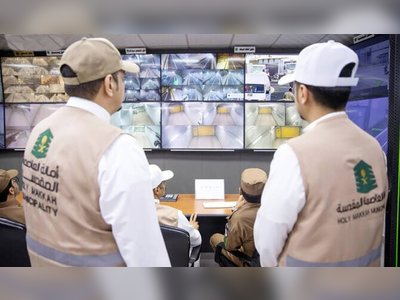
He emphasized that the security apparatus extends beyond field operations to include smart operation rooms managing Hajj, different security sectors within the Ministry of Interior, as well as cooperation with other government entities.The stoning ritual is managed through a strategic partnership with State Security under an organized and precise plan for crowd monitoring and real-time response in case of any incidents.
He underscored the use of artificial intelligence to ensure accurate and swift intervention should any incident occur among crowds.Al-Nuaimi from the Hajj Ministry reported that, following sunset on the Day of Arafat according to the crowd management plan, 60 percent of pilgrims spent the night in Muzdalifah while the remaining 40 percent completed their movements during designated transfer periods.
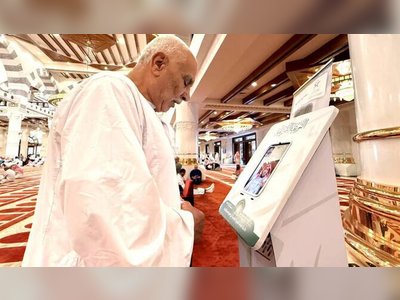
He also noted the Nusuk card's more than 4 million electronic scans thus far, enhancing field verification and streamlining data processing for pilgrims.The Adahi project was mentioned by Al-Nuaimi as an initiative allowing pilgrims to perform Hady in accordance with health and religious standards, exceeding a capacity of 800,000 animals during the days of sacrifice and Tashreeq, and offering electronic purchasing options.Al-Otaibi from Transport and Logistics Services explained that over 2.4 million pilgrims benefited from the "Passenger without Bag" initiative on inbound and outbound journeys, with more than 3.8 million bags transported.
He also mentioned plans to complete a road project before the next Hajj season and the inauguration of Terminal 4 at King Abdulaziz International Airport.The Mashaer metro has transported over 961,000 pilgrims thus far, while central stations have been upgraded to accommodate larger passenger flows.
Al-Otaibi noted that more than 2,500 buses were deployed for transportation upon arrival through entry points, with designated parking areas accommodating up to 2,000 buses and over 600,000 vehicles passing through roads leading to the holy sites.The Haramain High Speed Railway continues to serve pilgrims efficiently, having transported over 830,000 worshippers through more than 5,300 trips as of the eighth of DhulHijjah.
Al-Otaibi reported that intercity bus trips achieved a 96 percent on-time performance rate and activated more than 950 automated monitoring points for road transport vehicles.The first departure flight for pilgrims is scheduled for May 29, with final departures set for June 30, corresponding to 15 Muharram in the Hijri calendar.
Over 870 counters are allocated for completing travel procedures at King Abdulaziz International Airport, where 70 smart gates will enable biometric identification alongside 20 similar gates at Madinah Airport.
This stability is attributed to an advanced healthcare system operating at high efficiency, supported by a well-trained national workforce, proactive planning, and modern technologies for surveillance and rapid response.The Ministry of Health spokesperson, Abdulaziz Abdulbaqi, provided insights during the final Hajj security and health briefing.
Accompanying him were key officials from the Ministries of Interior, Hajj and Umrah, and Transport and Logistics Services, including Brig. Gen. Talal bin Abdulmohsen Al-Shalhoub, Ghassan Al-Nuaimi, and Abdulaziz Al-Otaibi.Abdulbaqi detailed that as of May 27, healthcare services to pilgrims have exceeded 1.2 million under a comprehensive health program.
This included more than 41,000 emergency department visits, over 4,900 hospital admissions, and approximately 50,000 individuals benefiting from primary healthcare centers and urgent care services.
Outpatient consultations reached more than 14,000, and 83,000 emergency cases were managed.Additionally, 29 open-heart surgeries and 251 cardiac catheterization procedures were performed, alongside 337 various surgical operations.
The Ministry of Health’s call center received over 1 million calls in multiple languages, with 466 heat exhaustion cases treated according to medical protocols, enabling pilgrims to continue their rituals without interruption.Al-Shalhoub highlighted the sophisticated Hajj security system that operates with precision using real-time artificial intelligence and extensive coordination among security personnel.
He emphasized that the security apparatus extends beyond field operations to include smart operation rooms managing Hajj, different security sectors within the Ministry of Interior, as well as cooperation with other government entities.The stoning ritual is managed through a strategic partnership with State Security under an organized and precise plan for crowd monitoring and real-time response in case of any incidents.
He underscored the use of artificial intelligence to ensure accurate and swift intervention should any incident occur among crowds.Al-Nuaimi from the Hajj Ministry reported that, following sunset on the Day of Arafat according to the crowd management plan, 60 percent of pilgrims spent the night in Muzdalifah while the remaining 40 percent completed their movements during designated transfer periods.
He also noted the Nusuk card's more than 4 million electronic scans thus far, enhancing field verification and streamlining data processing for pilgrims.The Adahi project was mentioned by Al-Nuaimi as an initiative allowing pilgrims to perform Hady in accordance with health and religious standards, exceeding a capacity of 800,000 animals during the days of sacrifice and Tashreeq, and offering electronic purchasing options.Al-Otaibi from Transport and Logistics Services explained that over 2.4 million pilgrims benefited from the "Passenger without Bag" initiative on inbound and outbound journeys, with more than 3.8 million bags transported.
He also mentioned plans to complete a road project before the next Hajj season and the inauguration of Terminal 4 at King Abdulaziz International Airport.The Mashaer metro has transported over 961,000 pilgrims thus far, while central stations have been upgraded to accommodate larger passenger flows.
Al-Otaibi noted that more than 2,500 buses were deployed for transportation upon arrival through entry points, with designated parking areas accommodating up to 2,000 buses and over 600,000 vehicles passing through roads leading to the holy sites.The Haramain High Speed Railway continues to serve pilgrims efficiently, having transported over 830,000 worshippers through more than 5,300 trips as of the eighth of DhulHijjah.
Al-Otaibi reported that intercity bus trips achieved a 96 percent on-time performance rate and activated more than 950 automated monitoring points for road transport vehicles.The first departure flight for pilgrims is scheduled for May 29, with final departures set for June 30, corresponding to 15 Muharram in the Hijri calendar.
Over 870 counters are allocated for completing travel procedures at King Abdulaziz International Airport, where 70 smart gates will enable biometric identification alongside 20 similar gates at Madinah Airport.