GCC Female Workforce Participation Climbs to 39.3 Percent
Employed women rose to 7.3 million as unemployment falls and participation improves across the Gulf Cooperation Council countries.
Female labor force participation across Gulf Cooperation Council (GCC) countries climbed to 39.3 percent in 2025, as employment gains and falling joblessness signal steady progress in the region’s workforce diversification efforts.
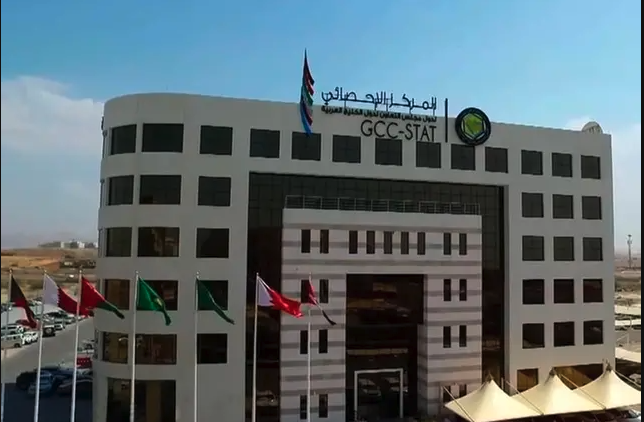
The number of employed women rose to 7.3 million in 2025 from 5.7 million in 2020, according to data from the Statistical Center for the Cooperation Council for the Arab Countries of the Gulf, cited by Emirates News Agency (WAM).Over the same period, the number of employed national women increased to 2.2 million from 1.7 million, with nationals accounting for 40.5 percent of total employed citizens.
The gains reflect a broader push across Gulf economies—particularly Saudi Arabia and the UAE—to expand private-sector employment and boost female workforce participation as part of long-term diversification strategies.In the tourism sector, women accounted for approximately 13.2 percent of the workforce in 2024, with an average annual growth rate of 9.5 percent in female employment between 2019 and 2024, reflecting their growing contribution to one of the GCC’s promising economic sectors, according to WAM.The female unemployment rate stood at 10.5 percent in 2025, while participation indicators showed improvement between 2020 and 2025.
Labor force participation rose by 8 percent, unemployment declined by 26.1 percent, and the share of employed national women increased by 11 percent.
Women’s representation in the public sector edged up to 34.8 percent from 33.3 percent, while private-sector participation increased to 5.3 percent from 4.3 percent, underscoring gradual but uneven integration into non-government roles.Female labor force participation across GCC countries shows varying but generally improving trends according to the GCC Statistical Yearbook.
Participation rates reached over 60 percent in Qatar and exceeded 40 percent in Oman by 2023, while Saudi Arabia maintained levels in the mid-30 percent range.
Female unemployment declined significantly in Saudi Arabia, falling from 17.6 percent in 2021 to 11.2 percent in 2024.GCC-Stat noted that Gulf women continue to strengthen their presence in the region’s development journey, supported by a young population base and growing engagement in the labor market.
Women play a pivotal role across sectors such as health, education, and tourism, reflecting progress in empowerment and sustainable development.
The data also showed that the female population in GCC countries reached approximately 22.9 million in 2024, marking a 15.8 percent increase from 2019, with an average annual rise of around 625,600 females.
Women aged 15–39 accounted for 13.8 million, or 60.3 percent of the total, while those of working age reached 15.9 million, representing 69.5 percent.
The number of employed women rose to 7.3 million in 2025 from 5.7 million in 2020, according to data from the Statistical Center for the Cooperation Council for the Arab Countries of the Gulf, cited by Emirates News Agency (WAM).Over the same period, the number of employed national women increased to 2.2 million from 1.7 million, with nationals accounting for 40.5 percent of total employed citizens.
The gains reflect a broader push across Gulf economies—particularly Saudi Arabia and the UAE—to expand private-sector employment and boost female workforce participation as part of long-term diversification strategies.In the tourism sector, women accounted for approximately 13.2 percent of the workforce in 2024, with an average annual growth rate of 9.5 percent in female employment between 2019 and 2024, reflecting their growing contribution to one of the GCC’s promising economic sectors, according to WAM.The female unemployment rate stood at 10.5 percent in 2025, while participation indicators showed improvement between 2020 and 2025.
Labor force participation rose by 8 percent, unemployment declined by 26.1 percent, and the share of employed national women increased by 11 percent.
Women’s representation in the public sector edged up to 34.8 percent from 33.3 percent, while private-sector participation increased to 5.3 percent from 4.3 percent, underscoring gradual but uneven integration into non-government roles.Female labor force participation across GCC countries shows varying but generally improving trends according to the GCC Statistical Yearbook.
Participation rates reached over 60 percent in Qatar and exceeded 40 percent in Oman by 2023, while Saudi Arabia maintained levels in the mid-30 percent range.
Female unemployment declined significantly in Saudi Arabia, falling from 17.6 percent in 2021 to 11.2 percent in 2024.GCC-Stat noted that Gulf women continue to strengthen their presence in the region’s development journey, supported by a young population base and growing engagement in the labor market.
Women play a pivotal role across sectors such as health, education, and tourism, reflecting progress in empowerment and sustainable development.
The data also showed that the female population in GCC countries reached approximately 22.9 million in 2024, marking a 15.8 percent increase from 2019, with an average annual rise of around 625,600 females.
Women aged 15–39 accounted for 13.8 million, or 60.3 percent of the total, while those of working age reached 15.9 million, representing 69.5 percent.