Vitamin B12: Understand the Normal Levels, Deficiency Symptoms, and Risks
Our body requires nutrients to maintain overall health, including growth and essential functions. Vitamin B12 is vital for red blood cell production, DNA synthesis, and nerve function.
Primarily found in animal products like meat, fish, dairy, and eggs, a deficiency in vitamin B12 can lead to anemia, nerve damage, cognitive impairment, and other health issues.
According to Dr. Ekta Singhal, a nutrition specialist at Ujala Cygnus Hospital Group, the normal range of B12 varies with age, as reported by the medical site onlymyhealth.
Normal Vitamin B12 Levels by Age:
Infants (0-12 months): 200-900 picograms per milliliter (pg/mL)
Children (1-18 years): 200-600 pg/mL
Adults (19-64 years): 200-900 pg/mL
Seniors (65 and above): 200-700 pg/mL
Dr. Singhal notes that these ranges may slightly vary between sources and are influenced by factors like diet, genetics, and individual health conditions. Consultation with a healthcare professional is essential to interpret specific test results and to determine whether dietary changes or supplements are necessary.
Symptoms of Vitamin B12 Deficiency
The deficiency arises from inadequate dietary intake or the body's inability to absorb or store the vitamin properly. Symptoms to watch for include:
- Fatigue
- Pale skin
- Tingling or numbness in hands or feet
- Muscle weakness
- Mouth ulcers
- Vision problems
- Red and inflamed tongue
- Loss of appetite
Risk Factors for Vitamin B12 Deficiency
A level below 150 units per milliliter in the blood indicates a deficiency, which can be identified with a Complete Blood Count (CBC) test. Risk factors include:
- Older adults
- Individuals with digestive disorders
- Those with pernicious anemia
- Infants of vegetarian mothers
Sources of Vitamin B12
The liver stores a significant amount of B12, which lowers deficiency risk. However, the liver's reserves may deplete, leading to deficiency due to malnutrition, malabsorption, or lack of intrinsic factors.
Dietary Sources to Increase B12 Levels
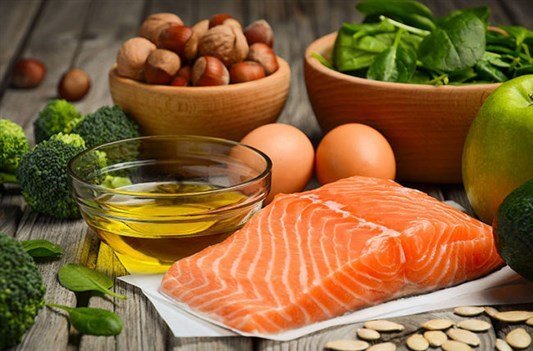
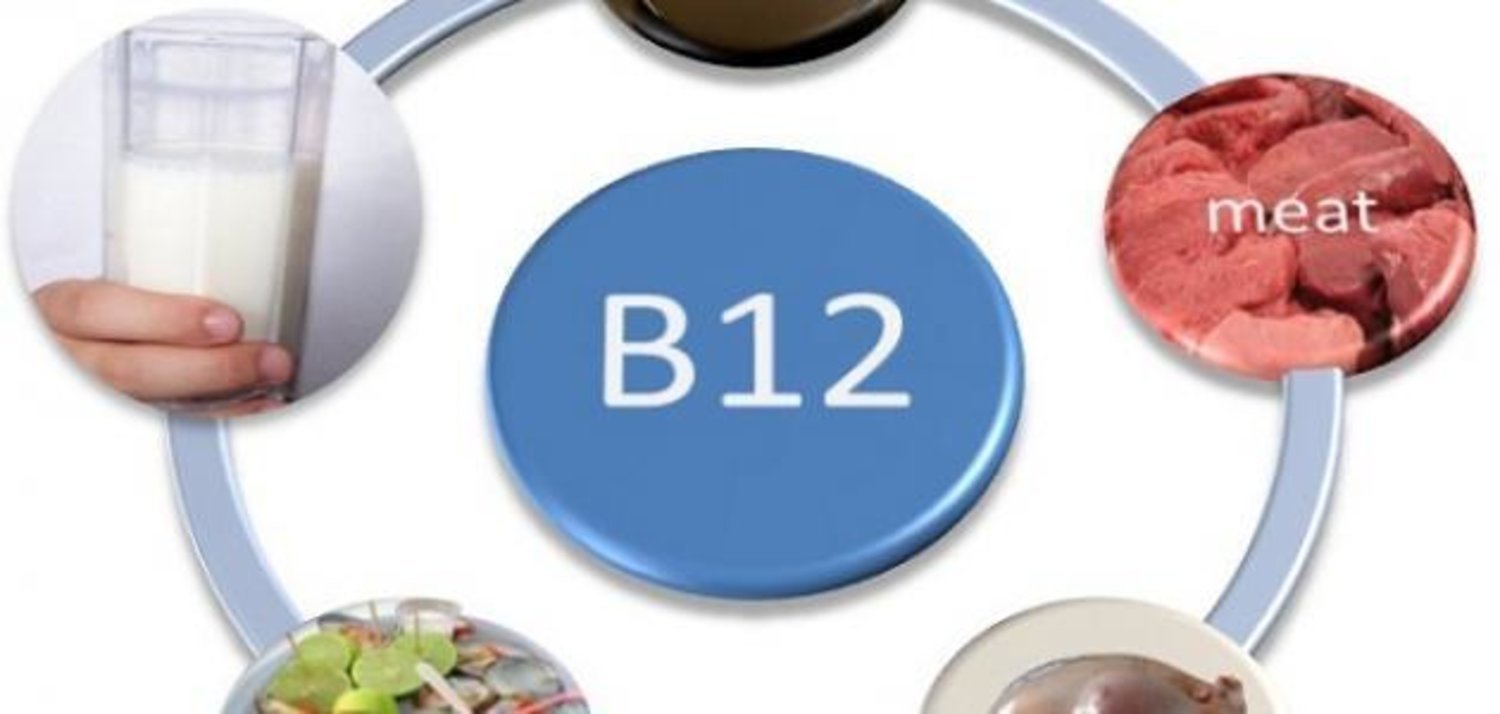
The best sources of B12 are animal products, which include:
- Eggs
- Meat
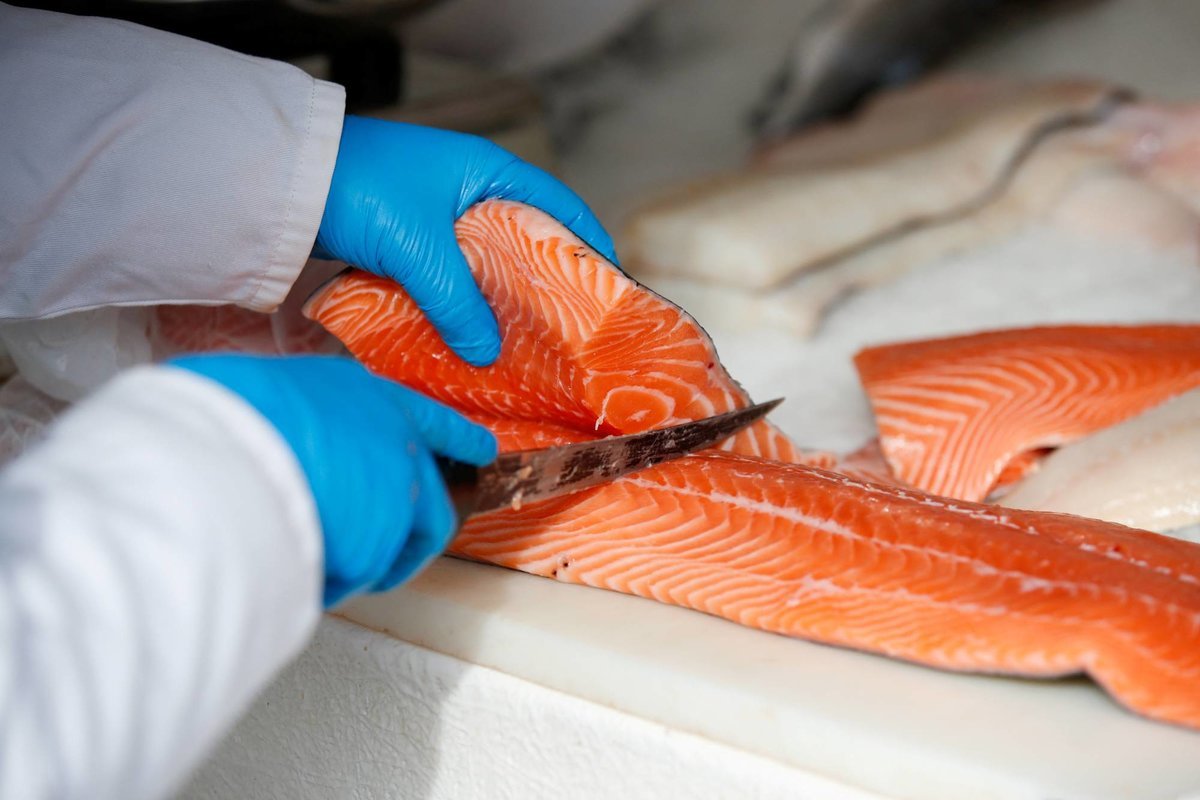
- Fish (tuna and salmon)
For vegetarians, finding alternatives can be challenging since animal products are the richest B12 source. However, consider these options:
- Vegan milk cheese
- Yogurt
- Nutritional yeast
- Fortified cereals
- Plant-based meats
- Mushrooms
According to Dr. Ekta Singhal, a nutrition specialist at Ujala Cygnus Hospital Group, the normal range of B12 varies with age, as reported by the medical site onlymyhealth.
Normal Vitamin B12 Levels by Age:
Infants (0-12 months): 200-900 picograms per milliliter (pg/mL)
Children (1-18 years): 200-600 pg/mL
Adults (19-64 years): 200-900 pg/mL
Seniors (65 and above): 200-700 pg/mL
Dr. Singhal notes that these ranges may slightly vary between sources and are influenced by factors like diet, genetics, and individual health conditions. Consultation with a healthcare professional is essential to interpret specific test results and to determine whether dietary changes or supplements are necessary.
Symptoms of Vitamin B12 Deficiency
The deficiency arises from inadequate dietary intake or the body's inability to absorb or store the vitamin properly. Symptoms to watch for include:
- Fatigue
- Pale skin
- Tingling or numbness in hands or feet
- Muscle weakness
- Mouth ulcers
- Vision problems
- Red and inflamed tongue
- Loss of appetite
Risk Factors for Vitamin B12 Deficiency
A level below 150 units per milliliter in the blood indicates a deficiency, which can be identified with a Complete Blood Count (CBC) test. Risk factors include:
- Older adults
- Individuals with digestive disorders
- Those with pernicious anemia
- Infants of vegetarian mothers
Sources of Vitamin B12
The liver stores a significant amount of B12, which lowers deficiency risk. However, the liver's reserves may deplete, leading to deficiency due to malnutrition, malabsorption, or lack of intrinsic factors.
Dietary Sources to Increase B12 Levels
The best sources of B12 are animal products, which include:
- Eggs
- Meat
- Fish (tuna and salmon)
For vegetarians, finding alternatives can be challenging since animal products are the richest B12 source. However, consider these options:
- Vegan milk cheese
- Yogurt
- Nutritional yeast
- Fortified cereals
- Plant-based meats
- Mushrooms
Translation:
Translated by AI