

AstraZeneca's vaccine rollout nets $275m in sales - but drags on its profits
Today's quarterly results from AstraZeneca are a very timely reminder that, for all the debate about the drug-maker's involvement in the Oxford COVID vaccine, it is of very little importance to the financial fortunes of what is currently the fifth-largest company in the FTSE 100.
In fact, AZ is actually losing money on its involvement in the vaccine rollout.
AZ today reported sales for the first three months of the year of $7.3bn - up some 15% on the same period last year.
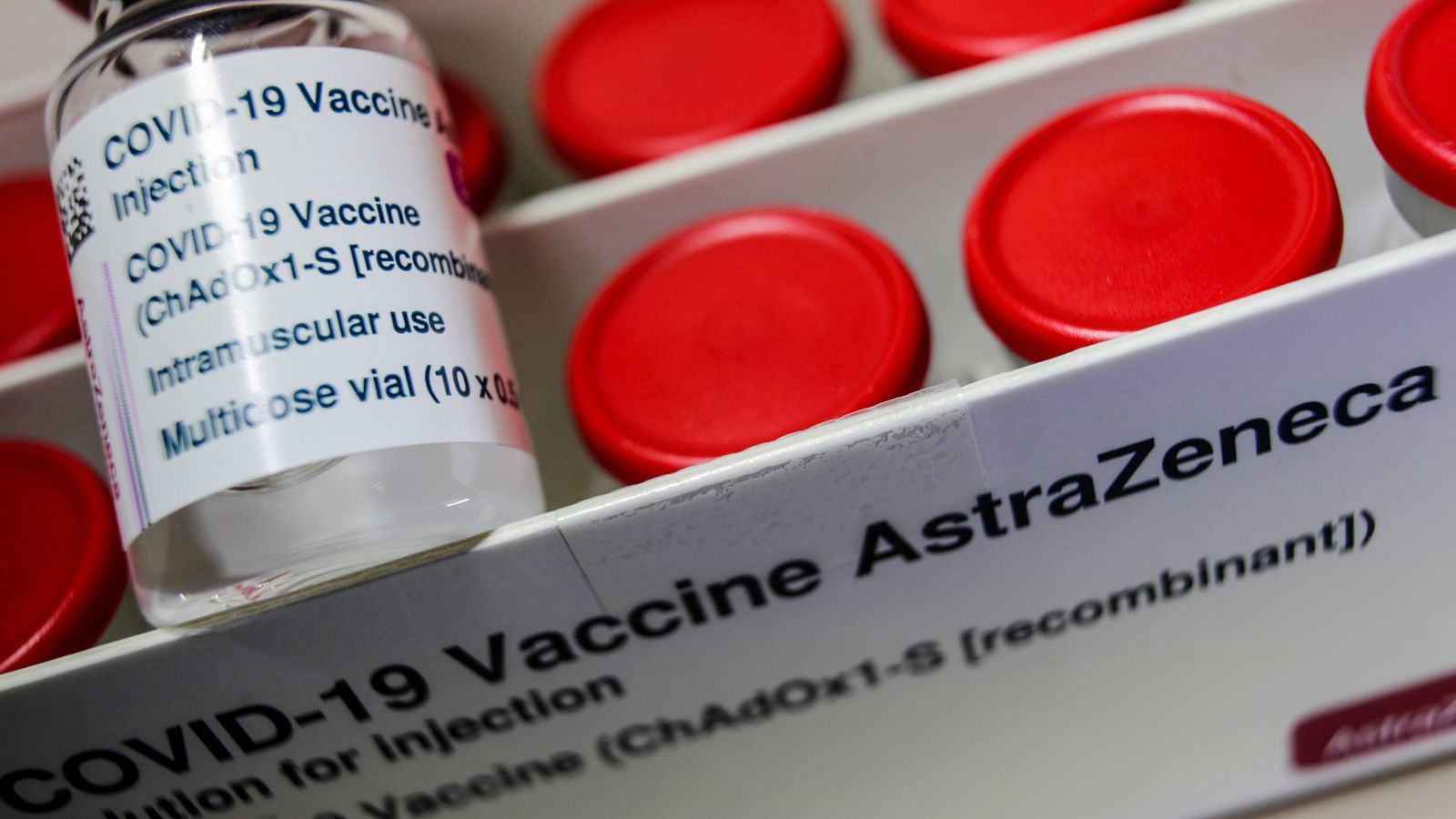 The vaccine is being sold at cost
To put that into context, $275m of that came from sales of the COVID vaccine AZ devised with the University of Oxford, representing a mere 4% of the total.
Moreover, because AZ is selling the vaccine at cost, the product actually turned out to be a drag on the company's earnings.
These came in at $1.63 per share, up 55% on the same period last year, way ahead of the $1.48 that analysts had been expecting.
AZ said today the figure would have been $1.66 were it not for the cost of producing the Oxford vaccine.
Given that, one could be forgiven for asking whether AZ regrets its involvement in the vaccine rollout, particularly given the criticism it has received in some countries and the legal battle with the European Commission in which the company now finds itself.
Pascal Soriot, AZ's chief executive, insisted today that was absolutely not the case.
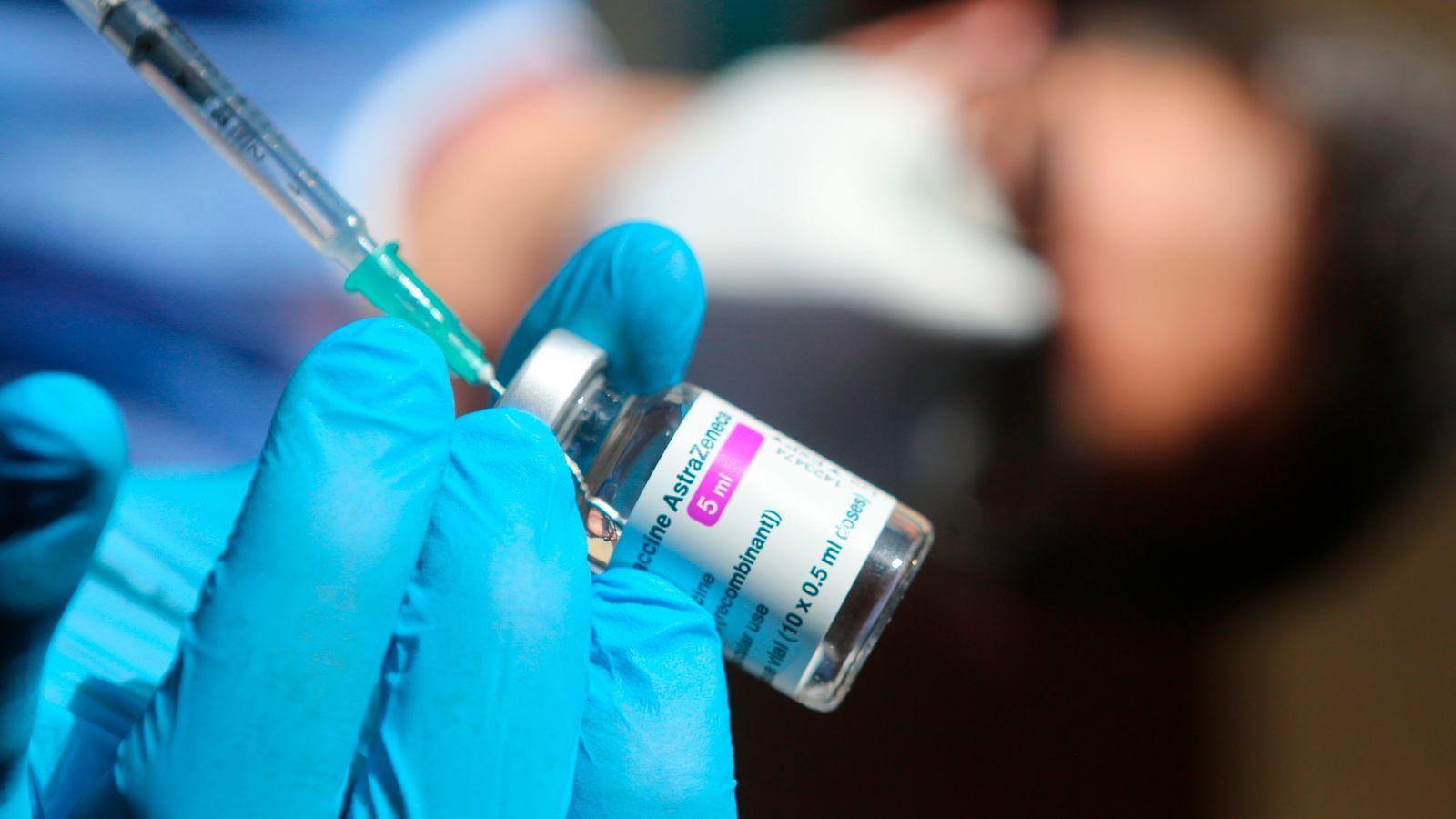 AstraZeneca has found itself in a legal battle with the EU over the vaccine
"We never pretended that we were going to be perfect, and certainly, we've learned a few things along the way.
"But imagine if we had not stepped up.
"A year ago people were talking about there being 120, 130 different vaccines.
"Where are all those vaccines? They are nowhere.
"We never overpromised, we communicated what we thought we would achieve at the time based on the capacity that we had put together.
"We don't regret anything because we look forward, not backward.
"We did our very best to help the world, and overall the team should be very proud of the difference we've made and lives we've saved.
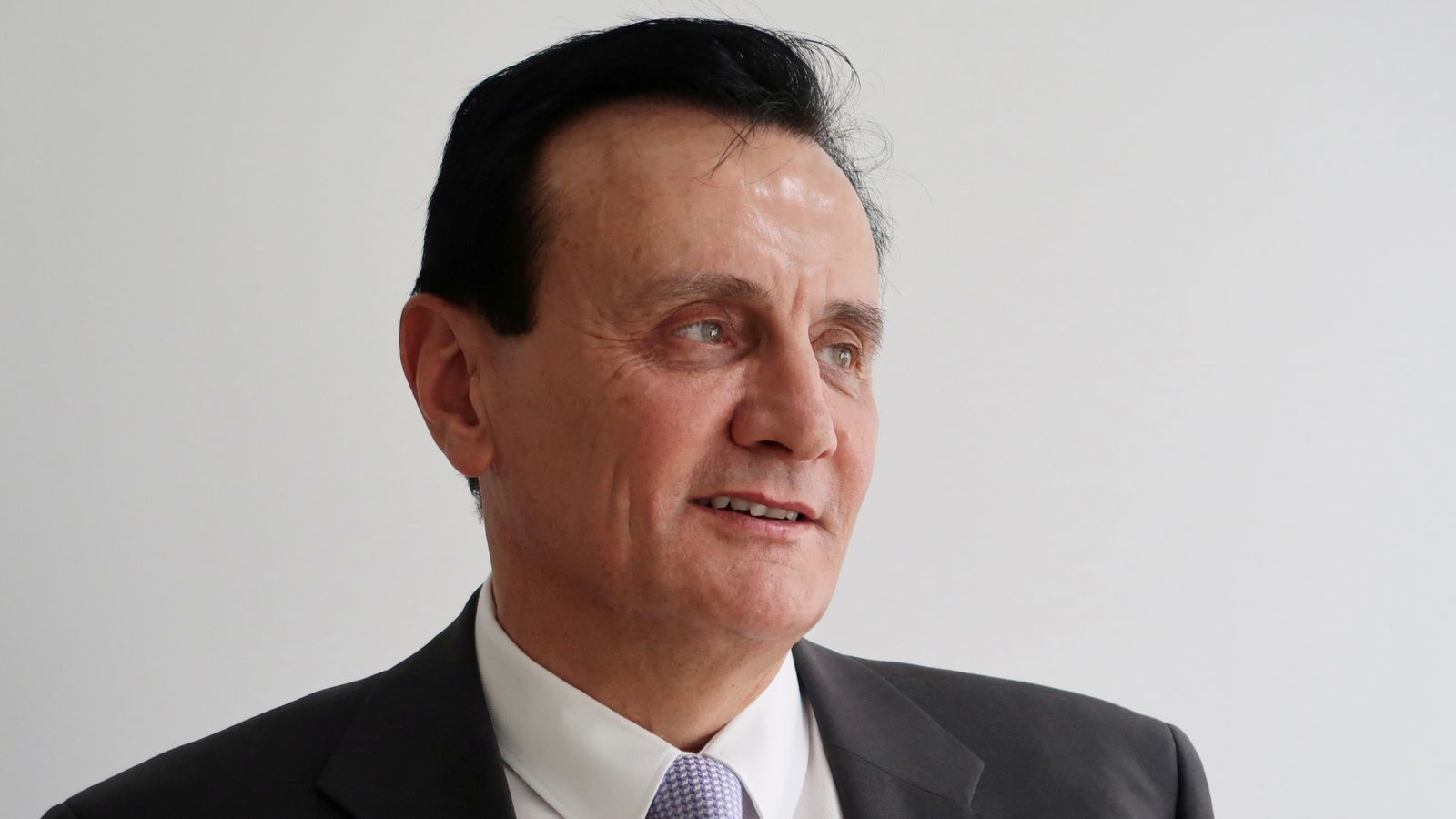 Chief executive Pascal Soriot said: "We are proud of what we have done"
"We are proud of what we have done, and only disappointed we could not do even more."
The disclosure is nonetheless significant because it is the first time that AZ, which with its manufacturing partners has so far supplied 300 million doses of the vaccine around the world, has actually disclosed its sales to date from the Oxford vaccine.
And, happily, it does not appear to have distracted investors too much from what was nonetheless a strong set of results and which at one point sent shares of AZ up by more than 4%.
This is a company which, a decade ago, looked like a sitting duck.
Sales from its blockbuster drugs were falling as they came off patent and attempts to deliver new blockbusters had misfired.
Sure enough, an unwanted bid from US giant Pfizer materialised in early 2014.
Mr Soriot and his colleagues fought off that approach partly by promising that investors were better off waiting for AZ to bring to market the new products in its pipeline.
Today's results prove again how AZ is delivering on that promise and especially in the key therapy area of oncology.
Sales were up 20% across the piece, with revenues for Tagrisso, the lung cancer treatment, rising by 17% to $1.2bn and sales of Lynparza, a treatment for ovarian cancer, up by 37% to $543m in the quarter.
Imfinzi, a treatment for lung and bladder cancer, saw its sales rise during the quarter by 20% to $556m.
The picture was no less encouraging in other therapy areas.
Farxiga, AZ's diabetes treatment, saw quarterly sales rise by 54% to $625m while sales of Fasenra, an asthma treatment, were up by 31% to $260m.
Elsewhere, there was little news on Alexion, the rare disease specialist specialist that AZ agreed to buy in December last year for $39bn.
The City was initially lukewarm on the deal but, gradually, shareholders appear to have come around to the idea.
AZ reiterated today that the deal is due to close between July and September this year.
There were one or two blemishes.
 AstraZeneca fought off an unwanted approach from Pfizer in 2014
Sales of Brilinta, AZ's heart attack drug, were down by 8% during the quarter to $374m, reflecting fewer acute coronary syndrome hospital admissions, hitting demand in China in particular.
Similarly, sales of Pulmicort, another asthma treatment, fell by 13% to $330m as COVID-19 impacted the hospital treatment of respiratory patients and cheap generic versions of the drug appeared in some markets.
Those setbacks highlight the extent to which the pandemic has actually hurt AZ.
It has hit demand for some of AZ's other products by preventing patients with conditions other than COVID getting the hospital treatment they need.
And that is even before taking into account the fact that not only has producing the COVID vaccine hit its earnings, it has dragged AZ into unwanted legal rows, which will surely have been a drain on management time.
Mr Soriot could be forgiven for reflecting on the old adage that "no good deed goes unpunished".