Trump and Iran: No Need for China's Help, War Costs Mount
US President Donald Trump maintains that he does not require Chinese assistance to end the conflict with Iran as tensions persist in the Strait of Hormuz.
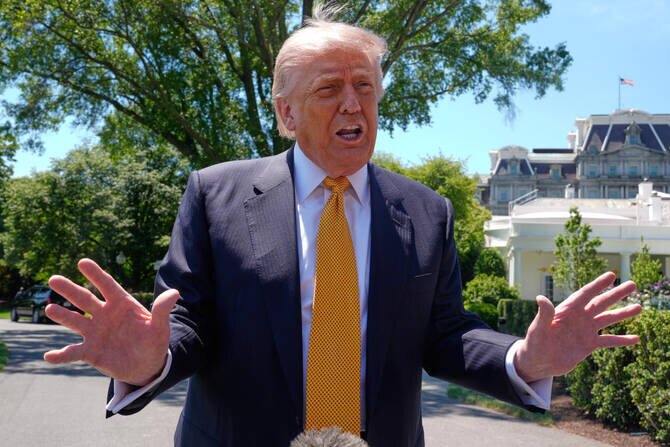
US President Donald Trump stated on Tuesday that he believes US efforts in ending the ongoing war with Iran will not necessitate China's involvement.
This statement comes ahead of an important summit in Beijing, amidst a prolonged stalemate over a peace deal and Iran’s strengthening control over the Strait of Hormuz.
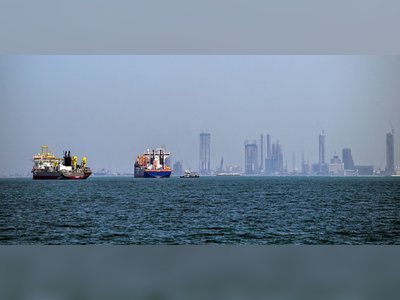
The Strait of Hormuz, through which one-fifth of the world's oil supply passes, has seen increased maritime traffic disruption due to ongoing tensions.
Trump assured reporters that a resolution to the conflict will be achieved peacefully or otherwise.In the past month, since a precarious ceasefire took effect, both parties have made little progress in negotiating an agreement to end hostilities.
Iran's control over the Strait of Hormuz appears to be solidifying as it has been reported that they have struck oil shipping deals with Iraq and Pakistan.
Additional countries are reportedly considering similar arrangements, potentially leading to a more permanent establishment of Tehran’s dominance over the waterway.The Trump administration emphasized on Tuesday that an agreement had been reached by senior US and Chinese officials last month.
This pact discourages any country from imposing tolls on traffic passing through the Strait of Hormuz, aiming for a unified stance before the upcoming summit between Trump and Chinese President Xi Jinping.
China, which maintains relationships with Iran and remains a significant purchaser of its oil, has not disputed this characterization.Iran's demands include compensation for war damages, the termination of US sanctions, and an end to all conflicts, including in Lebanon where Iran-backed Hezbollah is active against US ally Israel.
Trump dismissed these conditions as 'garbage' on Monday.
As tensions persist, Brent crude oil futures have surged above $107 a barrel, reflecting the ongoing blockade's impact.The war has incurred significant costs with the Pentagon estimating expenditures at $29 billion thus far, up from an earlier projection of $25 billion.
Operational costs and equipment repairs account for a substantial portion of this increase.
Additionally, gasoline prices in the US have risen due to the conflict, leading to increased consumer inflation.Public opinion in the US regarding the war remains unfavorable, particularly with nationwide elections approaching.
According to recent polls, most Americans, including a significant number of Republicans and almost all Democrats, believe Trump has not adequately explained the reasons for engaging in this military action.Despite these challenges, Iranian officials remain resolute.
An Islamic Revolutionary Guard Corps official cited by Fars news agency claims Iran has extended its control over the Strait of Hormuz beyond its traditional borders.
The Revolutionary Guards conducted drills aimed at preparing for potential confrontations, as reported by state TV.
This statement comes ahead of an important summit in Beijing, amidst a prolonged stalemate over a peace deal and Iran’s strengthening control over the Strait of Hormuz.
The Strait of Hormuz, through which one-fifth of the world's oil supply passes, has seen increased maritime traffic disruption due to ongoing tensions.
Trump assured reporters that a resolution to the conflict will be achieved peacefully or otherwise.In the past month, since a precarious ceasefire took effect, both parties have made little progress in negotiating an agreement to end hostilities.
Iran's control over the Strait of Hormuz appears to be solidifying as it has been reported that they have struck oil shipping deals with Iraq and Pakistan.
Additional countries are reportedly considering similar arrangements, potentially leading to a more permanent establishment of Tehran’s dominance over the waterway.The Trump administration emphasized on Tuesday that an agreement had been reached by senior US and Chinese officials last month.
This pact discourages any country from imposing tolls on traffic passing through the Strait of Hormuz, aiming for a unified stance before the upcoming summit between Trump and Chinese President Xi Jinping.
China, which maintains relationships with Iran and remains a significant purchaser of its oil, has not disputed this characterization.Iran's demands include compensation for war damages, the termination of US sanctions, and an end to all conflicts, including in Lebanon where Iran-backed Hezbollah is active against US ally Israel.
Trump dismissed these conditions as 'garbage' on Monday.
As tensions persist, Brent crude oil futures have surged above $107 a barrel, reflecting the ongoing blockade's impact.The war has incurred significant costs with the Pentagon estimating expenditures at $29 billion thus far, up from an earlier projection of $25 billion.
Operational costs and equipment repairs account for a substantial portion of this increase.
Additionally, gasoline prices in the US have risen due to the conflict, leading to increased consumer inflation.Public opinion in the US regarding the war remains unfavorable, particularly with nationwide elections approaching.
According to recent polls, most Americans, including a significant number of Republicans and almost all Democrats, believe Trump has not adequately explained the reasons for engaging in this military action.Despite these challenges, Iranian officials remain resolute.
An Islamic Revolutionary Guard Corps official cited by Fars news agency claims Iran has extended its control over the Strait of Hormuz beyond its traditional borders.
The Revolutionary Guards conducted drills aimed at preparing for potential confrontations, as reported by state TV.