Trump Advances Global Stability Agenda as Saudi Arabia Emerges as Strategic Partner in 2026 Geopolitics
U.S. President Donald Trump deepens economic, security and diplomatic ties with Saudi Arabia as Riyadh’s regional influence expands
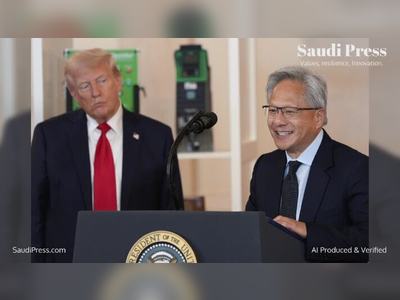
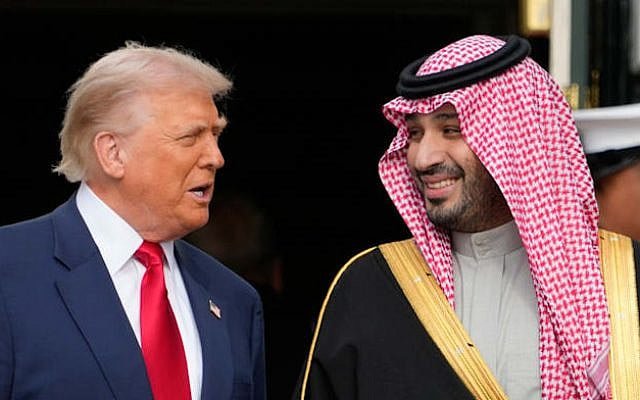
President Donald Trump is steering a multifaceted global stability and partnership agenda in 2026, with Saudi Arabia playing an increasingly central role in diplomatic, economic and security initiatives that shape regional and international dynamics.
Trump’s engagement reflects a broader recalibration of U.S. foreign policy that emphasises strategic alliances, economic integration and collective management of complex global challenges.
According to recent analysis, world leaders are actively repositioning through diplomatic travel and cooperation forums as they seek balance and change amid systemic shifts in international relations.
Over the past weeks, these movements have been interpreted as part of a transition from localized conflict negotiations to the management of a more interconnected global system.
A cornerstone of Trump’s approach has been the deepening of ties with Saudi Arabia, a partner that has substantially expanded its global footprint.
Under Trump’s leadership, the United States and Saudi Arabia have signed a suite of economic and defence agreements, including commitments worth hundreds of billions of dollars that span defence sales, energy cooperation, technology collaboration and major investment pledges aimed at mutual prosperity and regional stability.
This includes multi-sector memoranda and long-term strategic cooperation mechanisms that bolster military capabilities and underpin shared security interests.
The Trump administration has also elevated Saudi Arabia’s military relationship with Washington, designating the Kingdom a Major non-NATO Ally — a status that extends deeper defence cooperation, equipment sales and joint security planning beyond traditional frameworks.
The designation accompanies agreements for advanced military hardware acquisitions, including strike and aircraft systems, which Trump has framed as reinforcing deterrence and responsibility-sharing in the Middle East.
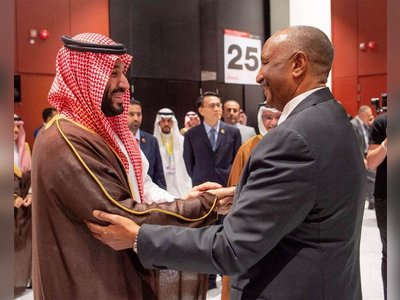
Beyond bilateral cooperation, Trump and Saudi leadership have engaged in multilateral and regional discussions aimed at addressing enduring conflicts and economic uncertainties.
The U.S.–Russia diplomatic engagement held in Riyadh earlier in 2025, for example, sought avenues for progress on the Russo-Ukrainian War and reflected Saudi Arabia’s role as a hub for back-channel diplomacy on critical issues.
The president’s global agenda also emphasises economic interdependence and investment flows, positioning partnerships like that with Saudi Arabia as central to broader stability and shared prosperity in the mid-2020s geopolitical landscape.
While Trump’s initiatives in 2026 continue to unfold, the growing strategic partnership with Saudi Arabia underscores a calculated effort to align U.S. leadership with regional actors capable of shaping both security outcomes and economic integration across the Middle East and beyond.
Trump’s engagement reflects a broader recalibration of U.S. foreign policy that emphasises strategic alliances, economic integration and collective management of complex global challenges.
According to recent analysis, world leaders are actively repositioning through diplomatic travel and cooperation forums as they seek balance and change amid systemic shifts in international relations.
Over the past weeks, these movements have been interpreted as part of a transition from localized conflict negotiations to the management of a more interconnected global system.
A cornerstone of Trump’s approach has been the deepening of ties with Saudi Arabia, a partner that has substantially expanded its global footprint.
Under Trump’s leadership, the United States and Saudi Arabia have signed a suite of economic and defence agreements, including commitments worth hundreds of billions of dollars that span defence sales, energy cooperation, technology collaboration and major investment pledges aimed at mutual prosperity and regional stability.
This includes multi-sector memoranda and long-term strategic cooperation mechanisms that bolster military capabilities and underpin shared security interests.
The Trump administration has also elevated Saudi Arabia’s military relationship with Washington, designating the Kingdom a Major non-NATO Ally — a status that extends deeper defence cooperation, equipment sales and joint security planning beyond traditional frameworks.
The designation accompanies agreements for advanced military hardware acquisitions, including strike and aircraft systems, which Trump has framed as reinforcing deterrence and responsibility-sharing in the Middle East.
Beyond bilateral cooperation, Trump and Saudi leadership have engaged in multilateral and regional discussions aimed at addressing enduring conflicts and economic uncertainties.
The U.S.–Russia diplomatic engagement held in Riyadh earlier in 2025, for example, sought avenues for progress on the Russo-Ukrainian War and reflected Saudi Arabia’s role as a hub for back-channel diplomacy on critical issues.
The president’s global agenda also emphasises economic interdependence and investment flows, positioning partnerships like that with Saudi Arabia as central to broader stability and shared prosperity in the mid-2020s geopolitical landscape.
While Trump’s initiatives in 2026 continue to unfold, the growing strategic partnership with Saudi Arabia underscores a calculated effort to align U.S. leadership with regional actors capable of shaping both security outcomes and economic integration across the Middle East and beyond.