
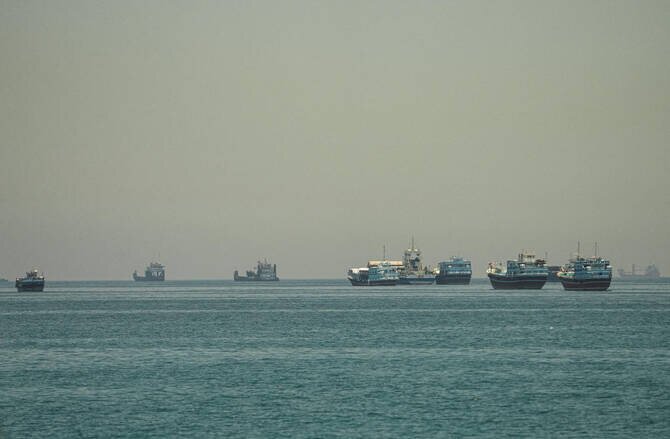
Strait of Hormuz Closure Chokes Trade and Aid for Afghanistan
Afghanistan's trade and aid operations are severely affected due to the closure of key routes caused by the ongoing conflict in the Strait of Hormuz.
Kabul: The ongoing conflict in the Strait of Hormuz has significantly impacted Afghanistan's trade and aid operations.
With major shipping routes blocked, Afghans who previously relied on Pakistan for imports now face severe shortages.
Iran's Bandar Abbas port, an alternate route, is also inaccessible due to war, leaving thousands of containers stuck in Pakistan.
For Afghan businesses and aid organizations, the loss of both trade routes has been devastating.
The United Nations' World Food Programme (WFP), which sources most of its nutrition supplies from Pakistan, has seen transportation costs skyrocket and supplies choked off.
With funding already cut, the organization is struggling to maintain operations amidst increasing malnutrition levels.
Logistics have become increasingly complicated and expensive for businesses.
One shipment of high-energy fortified biscuits, normally a short sea journey from Dubai to Iran, now takes three months to reach Afghanistan via a long land route through several countries.
Transportation costs have tripled, and the cost of nutritional supplements has increased by 35 percent.
Afghan businessmen are struggling to keep their operations alive.
Lutfullah Akbari, a Kabul-based importer, faces rising logistics costs that threaten his business.
Gul Meer Amini of Etifaq Bamyan International Transport and Trade Forwarding reports dramatic increases in container rental fees, with some goods now costing over 11 times more than before the conflict.
Despite these challenges, Afghanistan has managed to mitigate the impact through trade with Central Asia, Russia, and China.
Over 60 percent of trade now passes through Central Asia, with food and petroleum products entering via this route.
The Chamber of Commerce and Investment is working towards finding a solution to resume normal exports once the Strait of Hormuz situation improves.
With major shipping routes blocked, Afghans who previously relied on Pakistan for imports now face severe shortages.
Iran's Bandar Abbas port, an alternate route, is also inaccessible due to war, leaving thousands of containers stuck in Pakistan.
For Afghan businesses and aid organizations, the loss of both trade routes has been devastating.
The United Nations' World Food Programme (WFP), which sources most of its nutrition supplies from Pakistan, has seen transportation costs skyrocket and supplies choked off.
With funding already cut, the organization is struggling to maintain operations amidst increasing malnutrition levels.
Logistics have become increasingly complicated and expensive for businesses.
One shipment of high-energy fortified biscuits, normally a short sea journey from Dubai to Iran, now takes three months to reach Afghanistan via a long land route through several countries.
Transportation costs have tripled, and the cost of nutritional supplements has increased by 35 percent.
Afghan businessmen are struggling to keep their operations alive.
Lutfullah Akbari, a Kabul-based importer, faces rising logistics costs that threaten his business.
Gul Meer Amini of Etifaq Bamyan International Transport and Trade Forwarding reports dramatic increases in container rental fees, with some goods now costing over 11 times more than before the conflict.
Despite these challenges, Afghanistan has managed to mitigate the impact through trade with Central Asia, Russia, and China.
Over 60 percent of trade now passes through Central Asia, with food and petroleum products entering via this route.
The Chamber of Commerce and Investment is working towards finding a solution to resume normal exports once the Strait of Hormuz situation improves.