Saudi Firm Midad Energy Emerges as Leading Bidder for Lukoil’s $22 Billion Global Asset Portfolio
Riyadh-linked energy company vies to acquire Russian oil giant’s international assets amid sanctions and deepening U.S.–Saudi cooperation
Saudi Arabia’s Midad Energy has positioned itself as one of the foremost contenders to acquire the international asset portfolio of Russian energy major Lukoil, in a potential transaction valued at around twenty-two billion dollars.
The assets up for sale include extensive oilfields, refineries and thousands of fuel stations around the world, and have drawn interest from about a dozen prospective buyers as Lukoil seeks to divest its foreign operations under the weight of sweeping U.S. sanctions imposed in October aimed at increasing pressure on Moscow over its invasion of Ukraine.
Sources familiar with the matter say Midad’s bid reflects both its ambitious growth strategy and the broader geopolitical dynamics shaping global energy markets.
Midad Energy’s approach reportedly involves an all-cash offer, with funds to be held in escrow until sanctions on Lukoil are lifted, illustrating the complex legal and regulatory environment surrounding the sale.
The company’s chief executive, Abdulelah Al-Aiban, has strong connections within Saudi political and security circles, with his brother serving as the kingdom’s national security adviser and having played a role in U.S.–Russia diplomatic engagements earlier this year.
Other major international bidders include U.S. oil giants Exxon Mobil and Chevron, as well as private equity firm Carlyle, underscoring broad investor interest in the portfolio’s scale and strategic value.
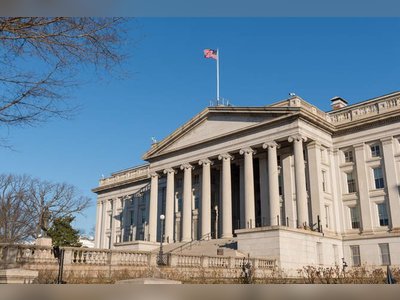
The U.S. Treasury has already blocked two previous bids for Lukoil’s assets from commodity trader Gunvor and a group led by U.S. investment bank Xtellus Partners, citing restrictions tied to sanctions.
Under the current framework, the Treasury has set a January seventeenth deadline for Lukoil to complete a sale or face potential revocation of its waiver permitting negotiations.
The involvement of a Saudi bidder highlights Riyadh’s evolving role in global energy transactions and reflects deepening economic cooperation with Washington under President Donald Trump’s administration, as recent bilateral agreements have spanned defence, energy and technology and included pledges of up to a trillion dollars in Saudi investment.
The assets up for sale include extensive oilfields, refineries and thousands of fuel stations around the world, and have drawn interest from about a dozen prospective buyers as Lukoil seeks to divest its foreign operations under the weight of sweeping U.S. sanctions imposed in October aimed at increasing pressure on Moscow over its invasion of Ukraine.
Sources familiar with the matter say Midad’s bid reflects both its ambitious growth strategy and the broader geopolitical dynamics shaping global energy markets.
Midad Energy’s approach reportedly involves an all-cash offer, with funds to be held in escrow until sanctions on Lukoil are lifted, illustrating the complex legal and regulatory environment surrounding the sale.
The company’s chief executive, Abdulelah Al-Aiban, has strong connections within Saudi political and security circles, with his brother serving as the kingdom’s national security adviser and having played a role in U.S.–Russia diplomatic engagements earlier this year.
Other major international bidders include U.S. oil giants Exxon Mobil and Chevron, as well as private equity firm Carlyle, underscoring broad investor interest in the portfolio’s scale and strategic value.
The U.S. Treasury has already blocked two previous bids for Lukoil’s assets from commodity trader Gunvor and a group led by U.S. investment bank Xtellus Partners, citing restrictions tied to sanctions.
Under the current framework, the Treasury has set a January seventeenth deadline for Lukoil to complete a sale or face potential revocation of its waiver permitting negotiations.
The involvement of a Saudi bidder highlights Riyadh’s evolving role in global energy transactions and reflects deepening economic cooperation with Washington under President Donald Trump’s administration, as recent bilateral agreements have spanned defence, energy and technology and included pledges of up to a trillion dollars in Saudi investment.