Saudi Crown Prince Signals No Immediate Alignment with Islamist Forces or Normalisation with Israel
Riyadh reiterates balanced regional policy while emphasising Palestinian statehood as precondition for any diplomatic ties with Israel
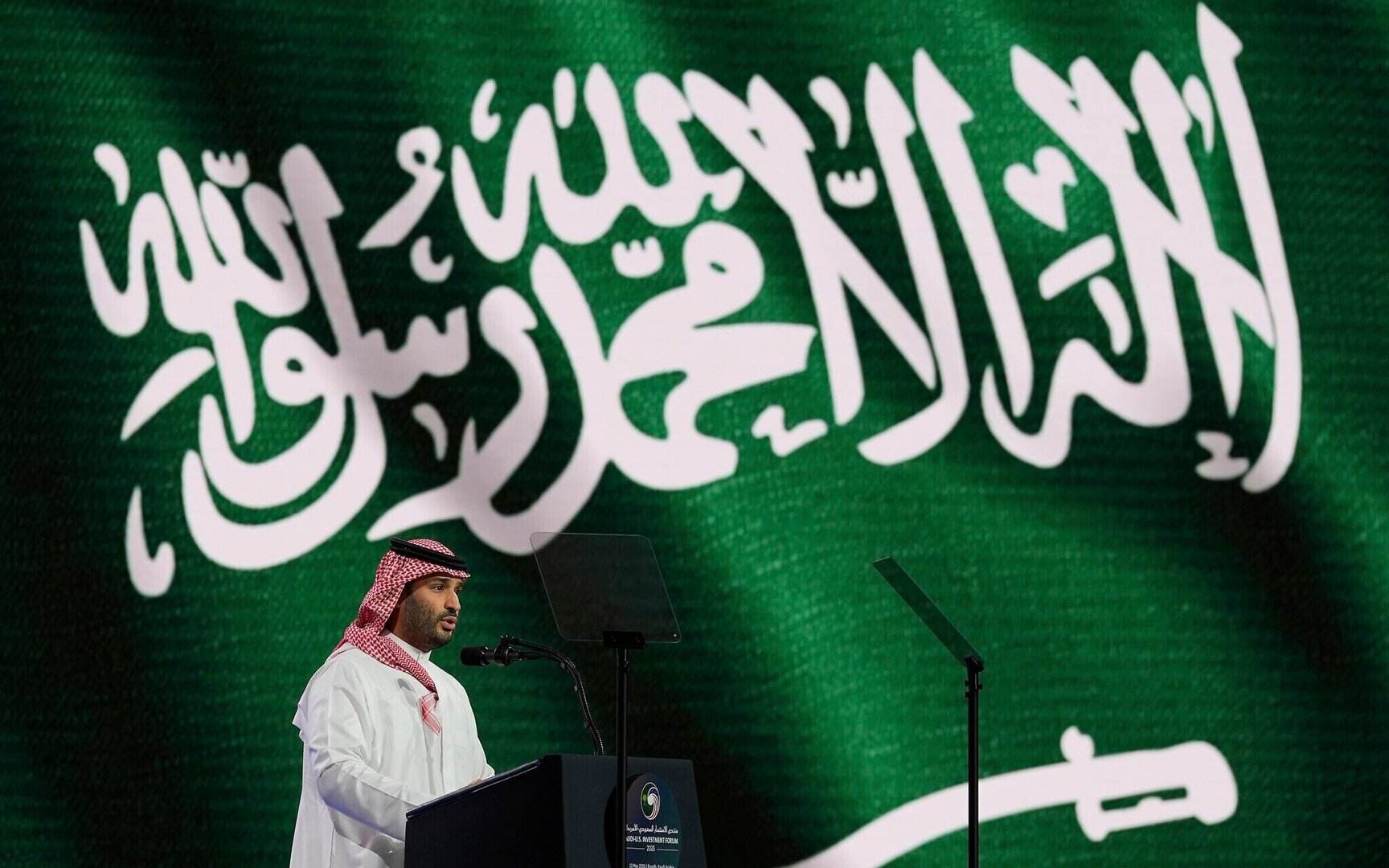
Saudi Arabia’s Crown Prince Mohammed bin Salman has made clear that the kingdom will not align itself with Islamist regimes or movements nor move swiftly to normalise diplomatic ties with Israel under current conditions, even as geopolitical pressures shape regional diplomacy.
Riyadh’s position reflects a cautious strategic posture, balancing state interests with broader Arab and Muslim sentiment while reaffirming long-standing conditions for any future normalisation with Israel.
Saudi officials have reiterated that recognition of Israel remains contingent on the establishment of a sovereign Palestinian state with East Jerusalem as its capital, a position reiterated by Foreign Minister Prince Faisal bin Farhan in comments at international forums, and reiterated as a firm condition by the kingdom in recent diplomatic engagements.
The Saudi stance underscores that normalisation talks “can only open” once hostilities in Gaza end and suffering is alleviated, meaning that formal ties with Israel are unlikely in the near term without progress on the Palestinian issue.
This position aligns with statements from the foreign ministry linking normalisation explicitly to a credible two-state solution and continued Palestinian statehood efforts.
At the same time, there is no indication that Saudi Arabia is embracing Islamist actors as strategic partners.
While Riyadh has engaged with a range of regional actors on bilateral economic and security initiatives, its official diplomacy continues to emphasise state-to-state relations under established frameworks, and Saudi leadership has consistently positioned itself as a stabilising force rather than one aligning with non-state Islamist forces.
The broader regional context has influenced Saudi policy.
The aftermath of the war in Gaza and shifting alliances in the Middle East have led to a recalibration of Saudi foreign policy priorities.
The kingdom has maintained open channels with Western allies on security cooperation, while also engaging with other regional partners on infrastructure and defense projects.
This reflects a nuanced approach that seeks to protect national interests, address domestic political sensitivities, and preserve Riyadh’s leadership role in regional diplomacy.
Analysts note that while the vision of formal ties with Israel remains in diplomatic discussions, Riyadh’s insistence on Palestinian statehood and its careful management of regional relations mean that any breakthrough will require significant shifts in the geopolitical landscape.
For now, Saudi foreign policy under the crown prince remains guided by conditions that link peace in the Middle East to progress on fundamental political questions rather than expedient normalisation.
Riyadh’s position reflects a cautious strategic posture, balancing state interests with broader Arab and Muslim sentiment while reaffirming long-standing conditions for any future normalisation with Israel.
Saudi officials have reiterated that recognition of Israel remains contingent on the establishment of a sovereign Palestinian state with East Jerusalem as its capital, a position reiterated by Foreign Minister Prince Faisal bin Farhan in comments at international forums, and reiterated as a firm condition by the kingdom in recent diplomatic engagements.
The Saudi stance underscores that normalisation talks “can only open” once hostilities in Gaza end and suffering is alleviated, meaning that formal ties with Israel are unlikely in the near term without progress on the Palestinian issue.
This position aligns with statements from the foreign ministry linking normalisation explicitly to a credible two-state solution and continued Palestinian statehood efforts.
At the same time, there is no indication that Saudi Arabia is embracing Islamist actors as strategic partners.
While Riyadh has engaged with a range of regional actors on bilateral economic and security initiatives, its official diplomacy continues to emphasise state-to-state relations under established frameworks, and Saudi leadership has consistently positioned itself as a stabilising force rather than one aligning with non-state Islamist forces.
The broader regional context has influenced Saudi policy.
The aftermath of the war in Gaza and shifting alliances in the Middle East have led to a recalibration of Saudi foreign policy priorities.
The kingdom has maintained open channels with Western allies on security cooperation, while also engaging with other regional partners on infrastructure and defense projects.
This reflects a nuanced approach that seeks to protect national interests, address domestic political sensitivities, and preserve Riyadh’s leadership role in regional diplomacy.
Analysts note that while the vision of formal ties with Israel remains in diplomatic discussions, Riyadh’s insistence on Palestinian statehood and its careful management of regional relations mean that any breakthrough will require significant shifts in the geopolitical landscape.
For now, Saudi foreign policy under the crown prince remains guided by conditions that link peace in the Middle East to progress on fundamental political questions rather than expedient normalisation.