Saudi Arabia Warns Any Blockade of Strait of Hormuz Could Spark Global Oil Crisis
Kingdom highlights risks of disruption to critical shipping route amid rising geopolitical tensions
Saudi Arabia has cautioned that any attempt to block the Strait of Hormuz could trigger a far-reaching global oil crisis, underlining the strategic importance of the narrow waterway for international energy supplies.
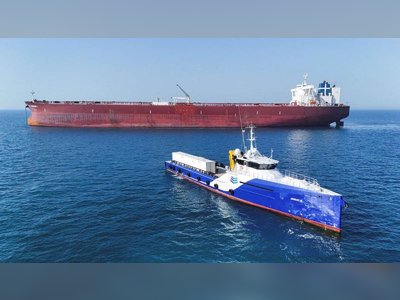
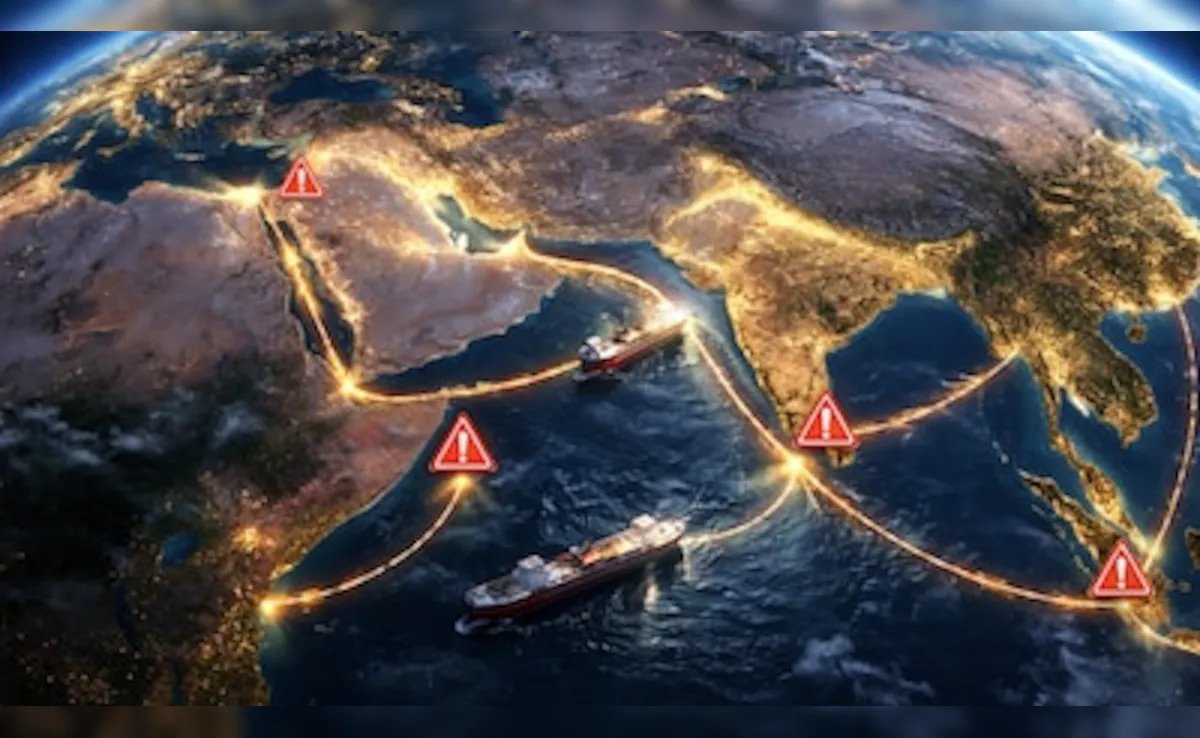
Officials emphasized that the strait remains one of the world’s most vital maritime corridors, with a substantial share of global oil shipments passing through its waters each day.
Any disruption, they warned, would not only affect regional stability but could rapidly escalate into a broader economic shock.
The warning comes amid heightened geopolitical tensions and ongoing discussions about security measures in the region.
Saudi Arabia stressed that maintaining open and secure shipping lanes is essential for the stability of global markets and the smooth functioning of supply chains.
The kingdom’s position reflects its role as a leading energy producer and a central stakeholder in ensuring reliable oil flows.
By highlighting the potential consequences of a blockade, officials underscored the need for coordinated international efforts to safeguard the passage.
Analysts note that even the perception of risk in the Strait of Hormuz can lead to increased volatility in oil prices, as insurers, shipping companies, and traders adjust to heightened uncertainty.
A sustained disruption could have significant implications for fuel costs, inflation, and economic growth worldwide.
Saudi Arabia’s message also points to the interconnected nature of global energy systems, where regional developments can have immediate and widespread effects.
The kingdom has consistently advocated for stability and cooperation as key pillars of energy security.
As tensions continue to evolve, the focus remains on preventing escalation and ensuring that critical routes such as the Strait of Hormuz remain open, secure, and accessible to international shipping.
Officials emphasized that the strait remains one of the world’s most vital maritime corridors, with a substantial share of global oil shipments passing through its waters each day.
Any disruption, they warned, would not only affect regional stability but could rapidly escalate into a broader economic shock.
The warning comes amid heightened geopolitical tensions and ongoing discussions about security measures in the region.
Saudi Arabia stressed that maintaining open and secure shipping lanes is essential for the stability of global markets and the smooth functioning of supply chains.
The kingdom’s position reflects its role as a leading energy producer and a central stakeholder in ensuring reliable oil flows.
By highlighting the potential consequences of a blockade, officials underscored the need for coordinated international efforts to safeguard the passage.
Analysts note that even the perception of risk in the Strait of Hormuz can lead to increased volatility in oil prices, as insurers, shipping companies, and traders adjust to heightened uncertainty.
A sustained disruption could have significant implications for fuel costs, inflation, and economic growth worldwide.
Saudi Arabia’s message also points to the interconnected nature of global energy systems, where regional developments can have immediate and widespread effects.
The kingdom has consistently advocated for stability and cooperation as key pillars of energy security.
As tensions continue to evolve, the focus remains on preventing escalation and ensuring that critical routes such as the Strait of Hormuz remain open, secure, and accessible to international shipping.