Saudi Arabia Sets a ‘Red Line’ in Yemen’s Hadramout as Southern Separatist Escalation Fuels Fears of Wider Violence
Riyadh warns the UAE-backed Southern Transitional Council against unilateral moves in Hadramout and al-Mahra, underscoring deepening tensions and the risk of renewed conflict
Saudi Arabia has publicly drawn a firm line in Yemen’s eastern Hadramout and neighbouring al-Mahra provinces, warning that continued unilateral military movements by UAE-backed separatists could trigger direct intervention and further destabilise the country.
The statement from Riyadh reflects growing alarm over the Southern Transitional Council’s (STC) offensive in the oil-rich south and the erosion of de-escalation efforts that had been carefully maintained in recent months.
The Saudi Foreign Ministry criticised recent STC advances into Hadramout and al-Mahra as unilateral and uncoordinated with Yemen’s internationally recognised leadership or the Saudi-led coalition, calling such actions an “unjustified escalation” that harms the interests of the Yemeni people, weakens the southern cause and undermines collective efforts to restore peace.
Riyadh emphasised its commitment to Yemen’s unity and reiterated that any sustainable solution must be reached through dialogue and political consensus rather than by force.
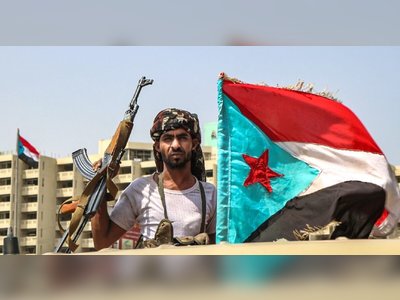
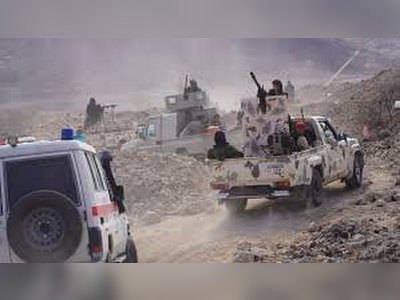
The STC, a separatist group supported by the United Arab Emirates, has captured significant territory across southern and eastern Yemen since early December, including key cities and infrastructure in Hadramout.
Its leaders insist their actions address local security concerns and seek to prevent supply routes benefiting rival Houthi militias in northern Yemen.
However, their refusal to withdraw in response to Saudi requests has heightened friction between Riyadh and Abu Dhabi, revealing deeper strategic divergences within the anti-Houthi coalition.
Saudi Defence Minister Prince Khalid bin Salman appealed directly to the STC to de-escalate and accept mediation efforts, urging a peaceful transfer of positions back to local authorities and national security forces.
Riyadh has also deployed joint Saudi-Emirati teams to negotiate arrangements in Aden, but the situation remains tense as diplomatic initiatives have yet to produce a breakthrough.
International actors, including the United Nations and global partners, have warned that renewed clashes in Hadramout could jeopardise progress toward a broader cessation of hostilities and complicate humanitarian and stabilisation efforts.
The risk of widened violence has increased as both internal Yemeni factions and their regional backers grapple with competing visions for Yemen’s future, with Hadramout emerging as a flashpoint in the ongoing conflict.
The statement from Riyadh reflects growing alarm over the Southern Transitional Council’s (STC) offensive in the oil-rich south and the erosion of de-escalation efforts that had been carefully maintained in recent months.
The Saudi Foreign Ministry criticised recent STC advances into Hadramout and al-Mahra as unilateral and uncoordinated with Yemen’s internationally recognised leadership or the Saudi-led coalition, calling such actions an “unjustified escalation” that harms the interests of the Yemeni people, weakens the southern cause and undermines collective efforts to restore peace.
Riyadh emphasised its commitment to Yemen’s unity and reiterated that any sustainable solution must be reached through dialogue and political consensus rather than by force.
The STC, a separatist group supported by the United Arab Emirates, has captured significant territory across southern and eastern Yemen since early December, including key cities and infrastructure in Hadramout.
Its leaders insist their actions address local security concerns and seek to prevent supply routes benefiting rival Houthi militias in northern Yemen.
However, their refusal to withdraw in response to Saudi requests has heightened friction between Riyadh and Abu Dhabi, revealing deeper strategic divergences within the anti-Houthi coalition.
Saudi Defence Minister Prince Khalid bin Salman appealed directly to the STC to de-escalate and accept mediation efforts, urging a peaceful transfer of positions back to local authorities and national security forces.
Riyadh has also deployed joint Saudi-Emirati teams to negotiate arrangements in Aden, but the situation remains tense as diplomatic initiatives have yet to produce a breakthrough.
International actors, including the United Nations and global partners, have warned that renewed clashes in Hadramout could jeopardise progress toward a broader cessation of hostilities and complicate humanitarian and stabilisation efforts.
The risk of widened violence has increased as both internal Yemeni factions and their regional backers grapple with competing visions for Yemen’s future, with Hadramout emerging as a flashpoint in the ongoing conflict.