Saudi Arabia Introduces New Hajj Hospitality Rules for 2026 to Enhance Safety and Standards
Stronger licensing and oversight aim to transform pilgrim accommodation in Makkah and Madinah
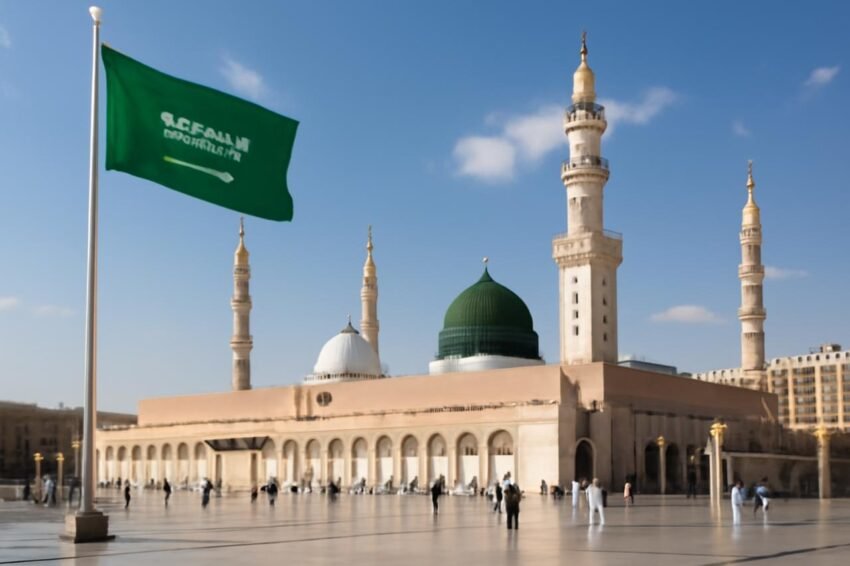
Saudi Arabia has introduced a new set of hospitality regulations for the 2026 Hajj season, marking a significant step in improving safety, quality and oversight for millions of pilgrims visiting Makkah and Madinah.
The updated framework places a strong emphasis on licensing requirements for accommodation providers, ensuring that all facilities hosting pilgrims meet clearly defined standards.
Authorities have outlined stricter compliance measures designed to enhance safety, manage capacity effectively and deliver a more reliable experience for visitors.
The reforms are part of a broader effort to modernise the Hajj ecosystem, reflecting the Kingdom’s commitment to serving pilgrims with efficiency and care.
By strengthening regulatory controls, officials aim to reduce risks associated with overcrowding, substandard accommodation and unlicensed operators.
Enhanced monitoring and enforcement mechanisms will play a central role in the new system, with authorities conducting regular inspections and applying penalties for non-compliance.
The approach is intended to ensure that service providers adhere to operational guidelines while maintaining high levels of safety and hygiene.
The measures also seek to improve coordination across the hospitality sector, aligning accommodation services with transport, logistics and pilgrimage management systems.
This integrated approach is expected to streamline the overall journey for pilgrims, from arrival to departure.
Saudi Arabia’s leadership has placed increasing focus on delivering a seamless and secure pilgrimage experience, supported by ongoing investment in infrastructure and digital systems.
The new hospitality rules reflect a forward-looking strategy that prioritises both tradition and modern standards.
As preparations for the 2026 Hajj continue, the strengthened regulatory environment is expected to play a key role in ensuring that pilgrims can undertake their journey with confidence, supported by high-quality services and robust safety measures.
The updated framework places a strong emphasis on licensing requirements for accommodation providers, ensuring that all facilities hosting pilgrims meet clearly defined standards.
Authorities have outlined stricter compliance measures designed to enhance safety, manage capacity effectively and deliver a more reliable experience for visitors.
The reforms are part of a broader effort to modernise the Hajj ecosystem, reflecting the Kingdom’s commitment to serving pilgrims with efficiency and care.
By strengthening regulatory controls, officials aim to reduce risks associated with overcrowding, substandard accommodation and unlicensed operators.
Enhanced monitoring and enforcement mechanisms will play a central role in the new system, with authorities conducting regular inspections and applying penalties for non-compliance.
The approach is intended to ensure that service providers adhere to operational guidelines while maintaining high levels of safety and hygiene.
The measures also seek to improve coordination across the hospitality sector, aligning accommodation services with transport, logistics and pilgrimage management systems.
This integrated approach is expected to streamline the overall journey for pilgrims, from arrival to departure.
Saudi Arabia’s leadership has placed increasing focus on delivering a seamless and secure pilgrimage experience, supported by ongoing investment in infrastructure and digital systems.
The new hospitality rules reflect a forward-looking strategy that prioritises both tradition and modern standards.
As preparations for the 2026 Hajj continue, the strengthened regulatory environment is expected to play a key role in ensuring that pilgrims can undertake their journey with confidence, supported by high-quality services and robust safety measures.