

Russia Desperately Imported Iranian Drones. Then, They Malfunctioned in Battle
Russia’s first shipment of Iranian military drones is a mixed bag, with some of the drones malfunctioning just weeks after delivery. The drones were pressed into service after heavy losses depleted Moscow’s own fleet. The deal underscores how vital Russia believes drones to be in modern warfare—and how far it’s willing to go to gain its battlefield drone capabilities back.
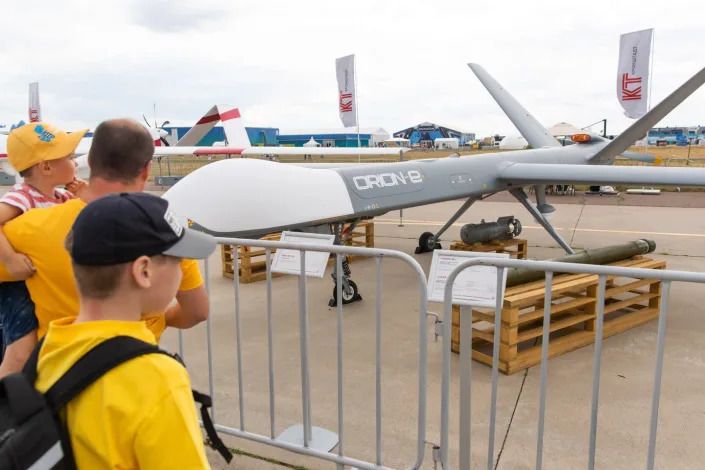
At the start of the war, Russia had a formidable drone arsenal. Drones were a key part of the Russian Ground Forces’ “reconnaissance-strike complex” doctrine, which calls for drones to quickly find targets for artillery strikes. The Russian arsenal includes low-altitude intelligence/surveillance/reconnaissance drones like the Orlan-10, Orlan-30, and Zastava, and larger medium-altitude, long-endurance (MALE) reconnaissance drones such as Forpost-R and Orion.
Six months of war has ground the arsenal down. An independent study of images of Russian equipment losses has concluded the military has lost at least 5,362 tanks, aircraft, armored vehicles, howitzers, trucks, and drones, including 120 military drones. The Ukrainian military goes even further, claiming it has destroyed 847 drones. The life of a drone is hazardous and short, with drones typically sent to places deemed too risky for humans. They’re typically lost through air defense fire, small arms fire, operator error, and accidental crashes. Drones are often considered “semi-attritable,” meaning armies expect to lose them at a higher rate than crewed aircraft as the price of doing business.
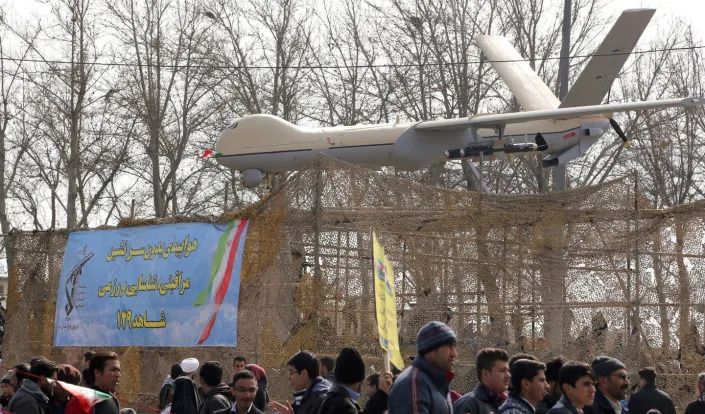
Despite the losses, Russia is anxious to make up for its losses. The Washington Post reports that, after several months of negotiations between Russian and Iranian officials, Russia agreed to replenish its ranks by buying a large consignment of homemade Iranian drones. It purchased Mohajer-6, Shahed-129 (pictured above), and Shahed-191 drones, the rough equivalent of Forpost-R and Orion MALE drones. It’s a particularly ironic situation as Russia has for decades supplied Iran with advanced weaponry.
“Russia needs more drones to support the war effort, and clearly it’s not building enough at home. That’s a key challenge for drone warfare,” Zachary Kallenborn, a weapons of mass destruction analyst with the Schar School of Policy and Government at George Mason University in Fairfax, Virginia, tells Popular Mechanics. “Drones are cheap and expendable. But what happens when the drones run out?”
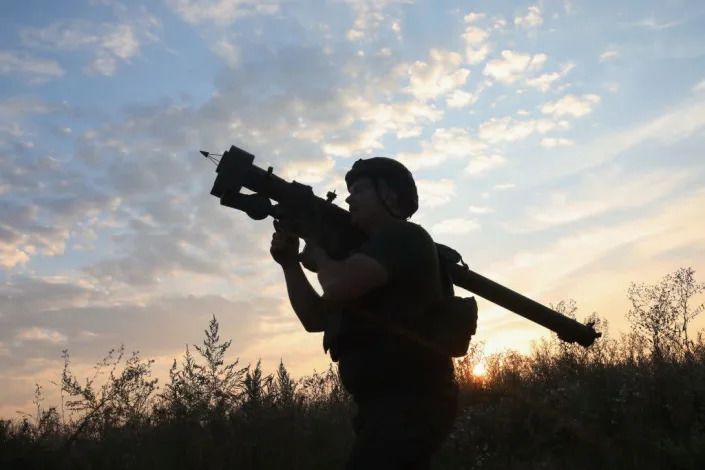
Russia’s drone crunch has come at a particularly dangerous time. The United States and NATO have provided the Armed Forces of Ukraine with a total of 28 long-range multiple launch rocket systems, including the truck-based M142 HIMARS and the M270 MLRS. The rocket launchers are wreaking havoc far behind Russian lines, destroying ammunition depots, air defense systems, and headquarters locations, laying the groundwork for the Ukrainian Army offensive in Kherson. Without drones, Russia has little chance of locating and destroying the rocket-launcher vehicles.
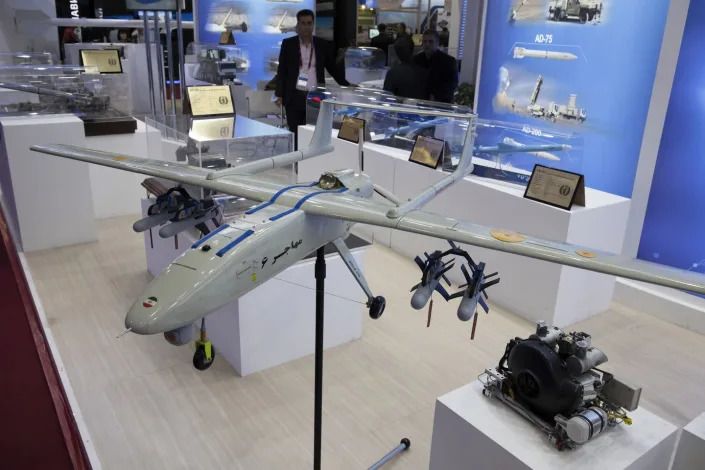
Iran is an unlikely supplier for Russia’s war machine, but no other country that builds drones will sell them to Russia due to internal policy or the weight of world opinion that overwhelmingly blames Russia for the war. “Iran has supplied drones to Middle Eastern allies for years,” Kallenborn says. “Those drones have been used in combat to cause significant harm. The Abqaiq-Khurais (drone) attack on Saudi oil processing facilities caused a 5 percent cut in global oil production. That experience translates into better equipment, and tactics that would be of great use to the Russians.”
Unfortunately for Russia, Iran’s drones are apparently not without their problems. The Washington Post reports that several have malfunctioned in Ukraine, and that “the Russians are not satisfied.” Whether these problems can be fixed in time to be of use remains to be seen.
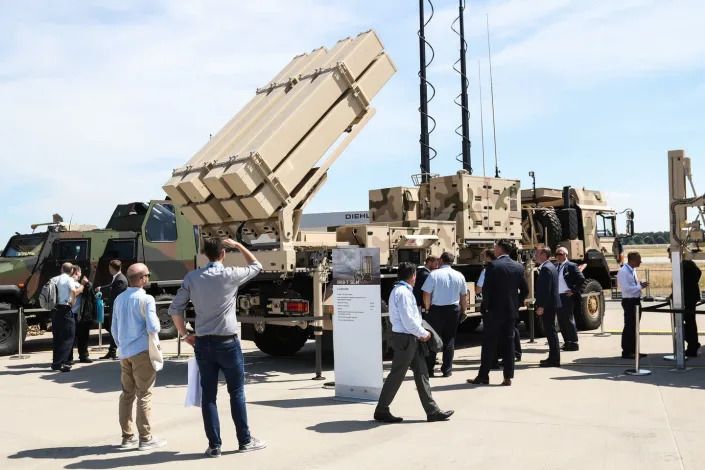
There’s also the question of how long a non-stealthy drone flying at 10,000 feet can survive over Ukraine. Ukraine’s air defense network is largely intact, and it is evidently responsible for downing Russia’s homegrown MALE drones. Ukraine’s air defenses are also set to become deadlier than ever, with the imminent deployment of NATO-supplied NASAMS and IRIS-T missile systems.
Russia’s purchase of Iranian drones makes clear that even Moscow believes drones have become an indispensable asset in modern warfare. It also makes clear that Russia’s industrial capacity is not capable of replenishing losses. Finally, it tells us international sanctions are crippling its ability to buy good drones, to the point where it must settle for second-rate Iranian drones. In Ukraine, Russia is between a drone and a hard place, and it won’t get easier for Moscow any time soon.