Oil Prices Ease as Middle East Ceasefire Remains Fragile Ahead of Trump-Xi Summit
Investors await developments around the Middle East ceasefire and brace for a high-stakes summit in China between US President Donald Trump and Chinese President Xi Jinping.
Oil prices declined on Wednesday, reversing a three-day rally, as investors monitored the situation in the Middle East concerning the fragile ceasefire and prepared for the significant meeting in China between U.S. President Donald Trump and Chinese President Xi Jinping.
Brent crude futures decreased by $1.47, approximately 1.4%, to $106.30 per barrel at 09:30 a.m. Saudi time, while U.S. West Texas Intermediate futures dropped by $1.41, or about 1.4%, to $100.77.
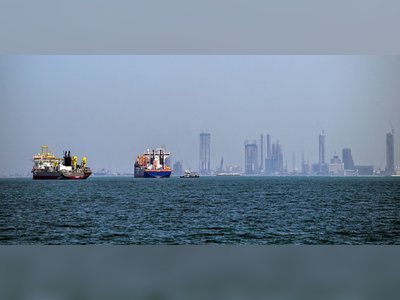
Both benchmarks have primarily stayed above or around the $100 per barrel mark since the United States and Israel initiated their attacks on Iran in late February, prompting Tehran to effectively close the Strait of Hormuz.
Priyanka Sachdeva, a senior market analyst at Phillip Nova, commented that concerns over supply disruptions and uncertainties regarding the Middle East have supported oil prices, though traders are struggling to establish a clear direction due to the highly reactive market environment.
Sachdeva further noted that any escalation or direct threat to supply flows could lead to sharp price increases in both Brent and WTI.
The previous day saw oil prices rise by more than 3% as hopes for a lasting U.S.-Iran ceasefire diminished, reducing expectations of the Strait of Hormuz being reopened.
Trump expressed on Tuesday that he did not believe he required China's assistance to end the war with Iran, despite fading prospects for a long-lasting peace deal and Tehran strengthening its control over the strait.
With China as the largest buyer of Iranian oil despite sanctions from the U.S., Trump is set to meet Xi in Beijing on Thursday and Friday.
Eurasia Group predicted that due to the length and scale of supply disruptions already exceeding 1 billion barrels, oil prices are likely to remain above $80 per barrel for the remainder of the year.
The ongoing conflict with Iran has started affecting the U.S. economy as higher oil prices increase fuel costs, resulting in second-round effects expected in the future.
In April, U.S. consumer prices rose significantly for a second consecutive month, leading to the highest annual inflation increase in nearly three years, reinforcing expectations that the Federal Reserve would maintain steady interest rates temporarily.
Although elevated interest rates make borrowing more expensive and potentially dampen oil demand, declining consumer sentiment and hiring intentions indicate further adverse impacts.
As the Iran conflict continues, U.S. crude oil inventories decreased for a fourth consecutive week last week, with distillate inventories also experiencing a decline, according to data from the American Petroleum Institute.
Brent crude futures decreased by $1.47, approximately 1.4%, to $106.30 per barrel at 09:30 a.m. Saudi time, while U.S. West Texas Intermediate futures dropped by $1.41, or about 1.4%, to $100.77.
Both benchmarks have primarily stayed above or around the $100 per barrel mark since the United States and Israel initiated their attacks on Iran in late February, prompting Tehran to effectively close the Strait of Hormuz.
Priyanka Sachdeva, a senior market analyst at Phillip Nova, commented that concerns over supply disruptions and uncertainties regarding the Middle East have supported oil prices, though traders are struggling to establish a clear direction due to the highly reactive market environment.
Sachdeva further noted that any escalation or direct threat to supply flows could lead to sharp price increases in both Brent and WTI.
The previous day saw oil prices rise by more than 3% as hopes for a lasting U.S.-Iran ceasefire diminished, reducing expectations of the Strait of Hormuz being reopened.
Trump expressed on Tuesday that he did not believe he required China's assistance to end the war with Iran, despite fading prospects for a long-lasting peace deal and Tehran strengthening its control over the strait.
With China as the largest buyer of Iranian oil despite sanctions from the U.S., Trump is set to meet Xi in Beijing on Thursday and Friday.
Eurasia Group predicted that due to the length and scale of supply disruptions already exceeding 1 billion barrels, oil prices are likely to remain above $80 per barrel for the remainder of the year.
The ongoing conflict with Iran has started affecting the U.S. economy as higher oil prices increase fuel costs, resulting in second-round effects expected in the future.
In April, U.S. consumer prices rose significantly for a second consecutive month, leading to the highest annual inflation increase in nearly three years, reinforcing expectations that the Federal Reserve would maintain steady interest rates temporarily.
Although elevated interest rates make borrowing more expensive and potentially dampen oil demand, declining consumer sentiment and hiring intentions indicate further adverse impacts.
As the Iran conflict continues, U.S. crude oil inventories decreased for a fourth consecutive week last week, with distillate inventories also experiencing a decline, according to data from the American Petroleum Institute.