LIV Golf Faces Uncertainty as Scrutiny Grows Over Saudi Sports Investments
Questions over long-term funding cast a spotlight on the sustainability of the kingdom’s expanding global sports portfolio
LIV Golf is navigating a period of heightened uncertainty as questions emerge over the durability of Saudi Arabia’s financial backing, prompting wider debate about the future of the kingdom’s extensive investments across global sport.
The league, launched with significant funding from Saudi Arabia’s Public Investment Fund, has reshaped professional golf by attracting top players with lucrative contracts and introducing a rival format to established tours.
However, recent developments have led to increased scrutiny over the long-term strategy behind such spending, with observers assessing whether the current level of investment can be sustained.
Concerns have been fueled by broader economic considerations and shifting priorities within Saudi Arabia’s ambitious diversification agenda.
While the kingdom has positioned sport as a key pillar of its international engagement, analysts note that maintaining high-cost ventures across multiple disciplines may require ongoing reassessment of financial commitments.
LIV Golf’s position is particularly sensitive given its reliance on centralized funding, unlike traditional leagues that benefit from established commercial ecosystems such as broadcasting rights and sponsorship networks.
This structure has raised questions about how the league could evolve into a self-sustaining model over time.
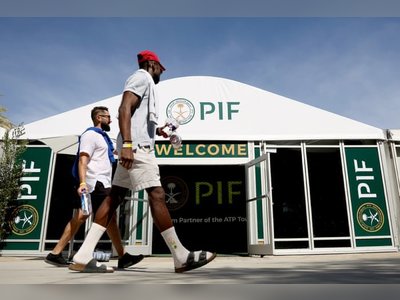
At the same time, Saudi Arabia continues to hold significant stakes in a range of global sporting assets, including football, motorsport, and boxing.
These investments have elevated the country’s profile as a major player in international sport, contributing to high-profile events and partnerships that have reshaped competitive landscapes.
Despite the scrutiny, supporters argue that the kingdom’s long-term vision remains intact, pointing to sustained commitments across various sectors and the strategic importance placed on sport within its broader economic transformation plans.
They emphasize that early-stage ventures often require substantial upfront investment before reaching maturity.
The situation has prompted stakeholders across the sports industry to closely monitor developments, particularly in relation to governance, financial transparency, and long-term viability.
As LIV Golf continues to operate in a rapidly evolving environment, its trajectory may offer insight into the broader sustainability of state-backed sports initiatives.
The coming months are expected to be critical in determining whether the league can stabilize its position while adapting to changing financial and competitive conditions.
The league, launched with significant funding from Saudi Arabia’s Public Investment Fund, has reshaped professional golf by attracting top players with lucrative contracts and introducing a rival format to established tours.
However, recent developments have led to increased scrutiny over the long-term strategy behind such spending, with observers assessing whether the current level of investment can be sustained.
Concerns have been fueled by broader economic considerations and shifting priorities within Saudi Arabia’s ambitious diversification agenda.
While the kingdom has positioned sport as a key pillar of its international engagement, analysts note that maintaining high-cost ventures across multiple disciplines may require ongoing reassessment of financial commitments.
LIV Golf’s position is particularly sensitive given its reliance on centralized funding, unlike traditional leagues that benefit from established commercial ecosystems such as broadcasting rights and sponsorship networks.
This structure has raised questions about how the league could evolve into a self-sustaining model over time.
At the same time, Saudi Arabia continues to hold significant stakes in a range of global sporting assets, including football, motorsport, and boxing.
These investments have elevated the country’s profile as a major player in international sport, contributing to high-profile events and partnerships that have reshaped competitive landscapes.
Despite the scrutiny, supporters argue that the kingdom’s long-term vision remains intact, pointing to sustained commitments across various sectors and the strategic importance placed on sport within its broader economic transformation plans.
They emphasize that early-stage ventures often require substantial upfront investment before reaching maturity.
The situation has prompted stakeholders across the sports industry to closely monitor developments, particularly in relation to governance, financial transparency, and long-term viability.
As LIV Golf continues to operate in a rapidly evolving environment, its trajectory may offer insight into the broader sustainability of state-backed sports initiatives.
The coming months are expected to be critical in determining whether the league can stabilize its position while adapting to changing financial and competitive conditions.