
Human Rights Groups Condemn Saudi Arabia’s Record Surge in Executions in 2025
Rights organisations decry unprecedented use of capital punishment as Saudi Arabia executes hundreds more prisoners, including for drug offences and dissent-related charges
Human rights organisations have sharply criticised the Kingdom of Saudi Arabia for carrying out a record number of executions in 2025, warning that the surge in capital punishment raises serious concerns about due process and basic legal protections.
According to official tallies, Saudi authorities have executed at least three hundred and forty people this year, surpassing the previous annual high recorded in 2024 and marking the most executions in a single year since systematic reporting began.
The most recent executions included three men put to death in the Mecca region after convictions for murder, bringing the kingdom’s total for the year to the new record level.
Rights groups, including Amnesty International, Human Rights Watch and numerous other non-governmental organisations, have condemned the escalation, noting that a substantial proportion of those executed were convicted of drug-related offences and that a significant number were foreign nationals.
Many of these cases, they argue, involve trials in which defendants lacked access to effective legal representation, independent review or transparent legal proceedings.
Critics have also expressed alarm at executions carried out for broadly defined offences such as “terrorism,” which have been used in some cases against individuals who engaged in peaceful expression or journalism.
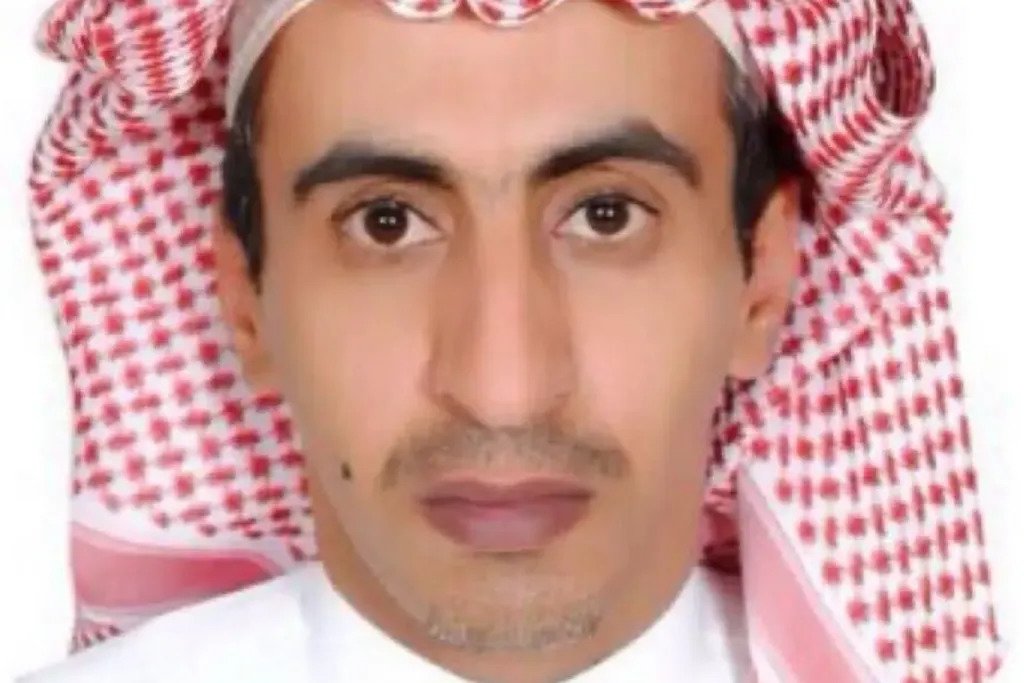
Among the most cited cases in 2025 was the execution of journalist Turki bin Abdulaziz al-Jasser, who was detained in 2018 and later executed on charges linked to alleged acts of high treason and destabilising state security.
His death, and similar cases highlighted by rights monitors, underscores their contention that capital punishment is being applied in ways that contravene international human rights standards and Saudi Arabia’s own commitments under regional human rights agreements.
On World Day Against the Death Penalty earlier in the year, a coalition of thirty-six rights groups issued a joint statement condemning the escalating use of executions and calling for an immediate halt to all death sentences, particularly for non-violent offences and those allegedly committed by minors.
They urged Saudi authorities to adopt a moratorium on executions with a view to eventual abolition and to ensure transparency, independent oversight and fair trial guarantees for all defendants.
The rights organisations also appealed to the global community and international mechanisms to monitor and report on Saudi Arabia’s use of the death penalty, stressing that the current surge undermines both human rights and the rule of law in the kingdom.
Saudi officials maintain that death sentences are implemented only after all avenues of appeal have been exhausted and that capital punishment serves as a deterrent and a component of criminal justice.
Nonetheless, the ongoing rise in executions has drawn sustained criticism from international observers and is seen by advocates as a stark contradiction to narratives of judicial reform and modernisation promoted by some sectors within the kingdom, even as authorities pursue ambitious economic and social transformation initiatives.
According to official tallies, Saudi authorities have executed at least three hundred and forty people this year, surpassing the previous annual high recorded in 2024 and marking the most executions in a single year since systematic reporting began.
The most recent executions included three men put to death in the Mecca region after convictions for murder, bringing the kingdom’s total for the year to the new record level.
Rights groups, including Amnesty International, Human Rights Watch and numerous other non-governmental organisations, have condemned the escalation, noting that a substantial proportion of those executed were convicted of drug-related offences and that a significant number were foreign nationals.
Many of these cases, they argue, involve trials in which defendants lacked access to effective legal representation, independent review or transparent legal proceedings.
Critics have also expressed alarm at executions carried out for broadly defined offences such as “terrorism,” which have been used in some cases against individuals who engaged in peaceful expression or journalism.
Among the most cited cases in 2025 was the execution of journalist Turki bin Abdulaziz al-Jasser, who was detained in 2018 and later executed on charges linked to alleged acts of high treason and destabilising state security.
His death, and similar cases highlighted by rights monitors, underscores their contention that capital punishment is being applied in ways that contravene international human rights standards and Saudi Arabia’s own commitments under regional human rights agreements.
On World Day Against the Death Penalty earlier in the year, a coalition of thirty-six rights groups issued a joint statement condemning the escalating use of executions and calling for an immediate halt to all death sentences, particularly for non-violent offences and those allegedly committed by minors.
They urged Saudi authorities to adopt a moratorium on executions with a view to eventual abolition and to ensure transparency, independent oversight and fair trial guarantees for all defendants.
The rights organisations also appealed to the global community and international mechanisms to monitor and report on Saudi Arabia’s use of the death penalty, stressing that the current surge undermines both human rights and the rule of law in the kingdom.
Saudi officials maintain that death sentences are implemented only after all avenues of appeal have been exhausted and that capital punishment serves as a deterrent and a component of criminal justice.
Nonetheless, the ongoing rise in executions has drawn sustained criticism from international observers and is seen by advocates as a stark contradiction to narratives of judicial reform and modernisation promoted by some sectors within the kingdom, even as authorities pursue ambitious economic and social transformation initiatives.