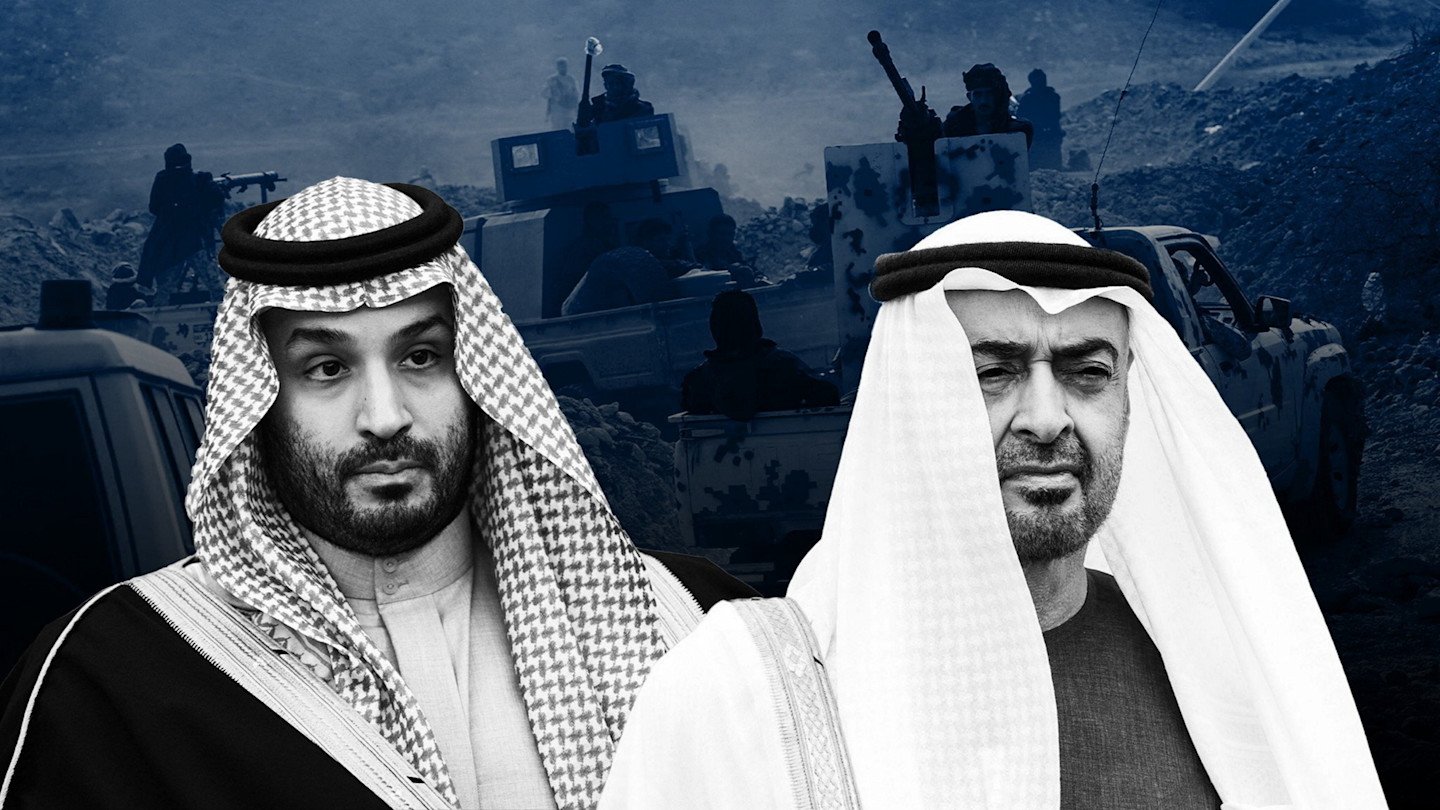
How a Once-Tight Saudi-Emirati Partnership Drifted Into Strategic Rivalry
Diverging economic priorities, regional ambitions and policy choices have strained a long-standing Gulf alliance
Saudi Arabia and the United Arab Emirates spent much of the past decade presenting a united front on regional security, economic reform and foreign policy, but that close alignment has gradually given way to a more complex and competitive relationship.
The shift has not come from a single rupture but from a series of strategic divergences that have accumulated over time, reshaping how the two Gulf powers view one another.
At the heart of the change lies economic competition.
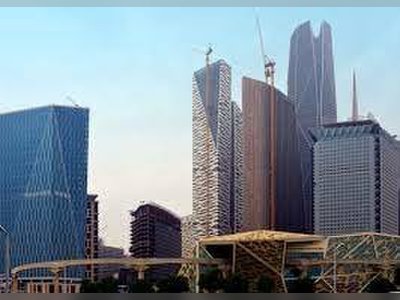
Saudi Arabia’s push to reposition Riyadh as the region’s primary commercial and investment hub, supported by new rules encouraging multinational companies to base their regional headquarters in the Kingdom, has directly challenged the UAE’s long-held role as the Middle East’s main business gateway.
This economic rivalry has been reinforced by differing approaches to energy markets, with disagreements over oil production policy within the OPEC Plus framework exposing contrasting priorities on market share and price stability.
Foreign policy differences have also widened.
While both countries once coordinated closely in conflicts such as Yemen, their objectives and tactics have increasingly diverged, leading to quieter cooperation and, at times, open disagreement.
The UAE has pursued a more flexible diplomatic posture, expanding ties with a wider range of regional and global partners, while Saudi Arabia has focused on recalibrating its security strategy and asserting leadership on Arab and Islamic issues.
Personal dynamics between leadership circles, combined with differing visions of regional order, have further complicated coordination.
Despite these tensions, the relationship has not collapsed into hostility.
Trade, investment and security cooperation continue in key areas, and both governments have shown an ability to compartmentalise disagreements when interests align.
The evolving dynamic reflects not a complete break, but the transition of a once seamless alliance into a relationship defined more by parallel ambitions and selective cooperation than by automatic alignment.
The shift has not come from a single rupture but from a series of strategic divergences that have accumulated over time, reshaping how the two Gulf powers view one another.
At the heart of the change lies economic competition.
Saudi Arabia’s push to reposition Riyadh as the region’s primary commercial and investment hub, supported by new rules encouraging multinational companies to base their regional headquarters in the Kingdom, has directly challenged the UAE’s long-held role as the Middle East’s main business gateway.
This economic rivalry has been reinforced by differing approaches to energy markets, with disagreements over oil production policy within the OPEC Plus framework exposing contrasting priorities on market share and price stability.
Foreign policy differences have also widened.
While both countries once coordinated closely in conflicts such as Yemen, their objectives and tactics have increasingly diverged, leading to quieter cooperation and, at times, open disagreement.
The UAE has pursued a more flexible diplomatic posture, expanding ties with a wider range of regional and global partners, while Saudi Arabia has focused on recalibrating its security strategy and asserting leadership on Arab and Islamic issues.
Personal dynamics between leadership circles, combined with differing visions of regional order, have further complicated coordination.
Despite these tensions, the relationship has not collapsed into hostility.
Trade, investment and security cooperation continue in key areas, and both governments have shown an ability to compartmentalise disagreements when interests align.
The evolving dynamic reflects not a complete break, but the transition of a once seamless alliance into a relationship defined more by parallel ambitions and selective cooperation than by automatic alignment.