Saudi Press

Saudi Arabia and the world
Wednesday, Dec 24, 2025

El Salvador denies responsibility for hacking journalists after report finds Pegasus spyware on their phones

El Salvador denies responsibility for hacking journalists after report finds Pegasus spyware on their phones

El Salvador's government has denied responsibility for hacking the cell phones of at least 35 journalists and other members of civil society by using the spying program known as Pegasus.

The denial comes after a report from Access Now and Citizen Lab, two groups specializing in cybersecurity, that claimed the spying happened between 2020 and 2021. The report did not say who was responsible for the hacking.

The report claims that the hacking targeted at least 22 journalists from El Faro -- the influential El Salvadoran digital news outlet -- as well as journalists from several other outlets.

Carlos Dada, the founder and director of El Faro, alleges that the Salvadoran government is responsible for the hacking.

"It hasn't surprised us to know we were hacked but the amount, frequency and duration of the hacking did. Nearly everyone at El Faro has been hacked," Dada said.

The report from Access Now and Citizen Lab said the attacks first began in July 2020 and continued until mid-November 2021.

Independent experts from Amnesty International reviewed the findings of the report and concurred with its conclusions.

"The use of Pegasus for the surveillance of communications in El Salvador reveals a new threat to human rights in the country," Erika Guevara-Rosas, Amnesty International Americas Director said in a Thursday statement.

"The authorities must stop any efforts to restrict freedom of expression and conduct a thorough and impartial investigation to identify those responsible," Guevara-Rosas said.

Julia Gavarrete was one of the El Faro journalists whose phone was hacked. She said that she was at a government press conference in 2020 when someone broke into her apartment and stole her computer and a few belongings. She speculates that it might have something to do with the hacking.

"You can feel fear, but at the end, you know that you are doing things that are correct and you can not give them the power to control your life," Gavarrete told CNN.

Gavarrete said while she cannot directly prove that the government is responsible for the attacks, the timings of the attacks were conspicuous because they seemed to line up neatly with stories she and her colleagues were pursuing at the time that could prove damaging to the government.

Government denies spying


President Nayib Bukele's administration has rejected the claim that it was behind the hacking.

"The government of El Salvador doesn't have the resources nor the licenses to utilize this type of software," Sofía Medina, Bukele's communication secretary said in a statement. Medina said that the government is not connected to the use of Pegasus software, nor to the company that created it, an Israeli company called NSO Group.

Medina added that in November, she received an alert from Apple -- as did others in the government -- about a possible hack into her cell phone.
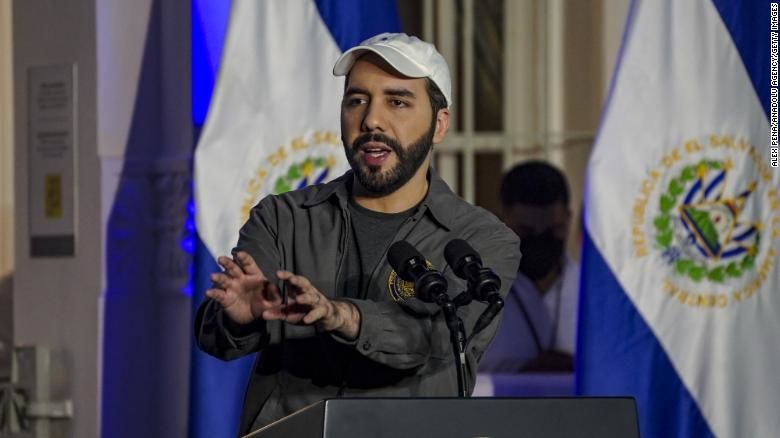
El Salvador's President Nayib Bukele speaks at a press conference in San Salvador earlier this month.


"We have indications that members of the government were also victims of these attacks," said Medina, adding that the government is already investigating the use of Pegasus and other systems to hack cell phones in the country.

CNN has asked the NSO Group for comment on the findings of the new investigation, but has not yet received a direct response.

In a statement, the company said its systems were not currently active in El Salvador but promised an investigation once it receives the telephone numbers of those phones that had allegedly been hacked to determine if there had been past misuse of its systems.

NSO Group said that it only provides software and that it doesn't actively operate the technology -- nor does it have access to the data is subsequently collects. The company added that the use of its cybersecurity tools to monitor dissidents, activists and journalists is a serious misuse of that technology.

On its website, NSO Group says that it only seeks clients who will use their product for the "legal and necessary needs of prevention and investigation of terrorism and other grave crimes."

NSO Group says for that reason, it only grants licenses to those government intelligence and law enforcement agencies following what it calls a process of investigation and licensing by the Israeli Ministry of Defense.

Responding to past allegations of misuse of its products, NSO Group told CNN in an email statement: "We regret to see, time and time again, how the name of our company is mentioned in news that has nothing to do with NSO, directly or indirectly."

El Salvador is one of 25 countries who governments had acquired surveillance systems from Circles, a company affiliated with NSO Group, according to a study published in December of 2020 by Citizen Lab.

According to that report, the system began operating in 2017 during a previous administration. CNN attempted to reach the then Vice President Óscar Ortiz about those claims, but a request for comment was not answered.

Newsletter

Related Articles

Saudi Press
0:00
0:00
Close
Saudi Arabia’s 2025: A Pivotal Year of Global Engagement and Domestic Transformation
Saudi Arabia to Introduce Sugar-Content Based Tax on Sweetened Drinks from January 2026
Saudi Hotels Prepare for New Hospitality Roles as Alcohol Curbs Ease
Global Airports Forum Highlights Saudi Arabia’s Emergence as a Leading Aviation Powerhouse
Saudi Arabia Weighs Strategic Choice on Iran Amid Regional Turbulence
Not Only F-35s: Saudi Arabia to Gain Access to the World’s Most Sensitive Technology
Saudi Arabia Condemns Sydney Bondi Beach Shooting and Expresses Solidarity with Australia
Washington Watches Beijing–Riyadh Rapprochement as Strategic Balance Shifts
Saudi Arabia Urges Stronger Partnerships and Efficient Aid Delivery at OCHA Donor Support Meeting in Geneva
Saudi Arabia’s Vision 2030 Drives Measurable Lift in Global Reputation and Influence
Alcohol Policies Vary Widely Across Muslim-Majority Countries, With Many Permitting Consumption Under Specific Rules
Saudi Arabia Clarifies No Formal Ban on Photography at Holy Mosques for Hajj 2026
Libya and Saudi Arabia Sign Strategic MoU to Boost Telecommunications Cooperation
Elon Musk’s xAI Announces Landmark 500-Megawatt AI Data Center in Saudi Arabia
Israel Moves to Safeguard Regional Stability as F-35 Sales Debate Intensifies
Cardi B to Make Historic Saudi Arabia Debut at Soundstorm 2025 Festival
U.S. Democratic Lawmakers Raise National Security and Influence Concerns Over Paramount’s Hostile Bid for Warner Bros. Discovery
Hackers Are Hiding Malware in Open-Source Tools and IDE Extensions
Traveling to USA? Homeland Security moving toward requiring foreign travelers to share social media history
Wall Street Analysts Clash With Riyadh Over Saudi Arabia’s Deficit Outlook
Trump and Saudi Crown Prince Cement $1 Trillion-Plus Deals in High-Profile White House Summit
Saudi Arabia Opens Alcohol Sales to Wealthy Non-Muslim Residents Under New Access Rules
U.S.–Saudi Rethink Deepens — Washington Moves Ahead Without Linking Riyadh to Israel Normalisation
Saudi Arabia and Israel Deprioritise Diplomacy: Normalisation No Longer a Middle-East Priority
Saudi Arabia Positions Itself as the Backbone of the Global AI Era
As Trump Deepens Ties with Saudi Arabia, Push for Israel Normalization Takes a Back Seat
Thai Food Village Debuts at Saudi Feast Food Festival 2025 Under Thai Commerce Minister Suphajee’s Lead
Saudi Arabia Sharpens Its Strategic Vision as Economic Transformation Enters New Phase
Saudi Arabia Projects $44 Billion Budget Shortfall in 2026 as Economy Rebalances
OPEC+ Unveils New Capacity-Based System to Anchor Future Oil Output Levels
Will Saudi Arabia End Up Bankrolling Israel’s Post-Ceasefire Order in Lebanon?
Saudi Arabia’s SAMAI Initiative Surpasses One-Million-Citizen Milestone in National AI Upskilling Drive
Saudi Arabia’s Specialty Coffee Market Set to Surge as Demand Soars and New Exhibition Drops in December
Saudi Arabia Moves to Open Two New Alcohol Stores for Foreigners Under Vision 2030 Reform
Saudi Arabia’s AI Ambitions Gain Momentum — but Water, Talent and Infrastructure Pose Major Hurdles
Tensions Surface in Trump-MBS Talks as Saudi Pushes Back on Israel Normalisation
Saudi Arabia Signals Major Maritime Crack-Down on Houthi Routes in Red Sea
Italy and Saudi Arabia Seal Over 20 Strategic Deals at Business Forum in Riyadh
COP30 Ends Without Fossil Fuel Phase-Out as US, Saudi Arabia and Russia Align in Obstruction Role
Saudi-Portuguese Economic Horizons Expand Through Strategic Business Council
DHL Commits $150 Million for Landmark Logistics Hub in Saudi Arabia
Saudi Aramco Weighs Disposals Amid $10 Billion-Plus Asset Sales Discussion
Trump Hosts Saudi Crown Prince for Major Defence and Investment Agreements
Families Accuse OpenAI of Enabling ‘AI-Driven Delusions’ After Multiple Suicides
Riyadh Metro Records Over One Hundred Million Journeys as Saudi Capital Accelerates Transit Era
Trump’s Grand Saudi Welcome Highlights U.S.–Riyadh Pivot as Israel Watches Warily
U.S. Set to Sell F-35 Jets to Saudi Arabia in Major Strategic Shift
Saudi Arabia Doubles Down on U.S. Partnership in Strategic Move
Saudi Arabia Charts Tech and Nuclear Leap Under Crown Prince’s U.S. Visit
Trump Elevates Saudi Arabia to Major Non-NATO Ally Amid Defense Deal
×