Saudi Press

Saudi Arabia and the world
Saturday, Mar 21, 2026

As El Salvador Makes Cryptocurrency Legal Tender is It the Beginning of the End for Dollar Hegemony?

As El Salvador Makes Cryptocurrency Legal Tender is It the Beginning of the End for Dollar Hegemony?

The idea of cryptocurrency was first conceived in the 1980s but it was not until 2009 that the first open-sourced software, Bitcoin, was released. There are now dozens of blockchains but they have until not been regarded as legal tender.

El Salvador will make history on Tuesday, 7 September, when it becomes the first country in the world where cryptocurrency is officially legal tender and can be used to buy a house or a car or even to pay your taxes.

Supporters of cryptocurrency hope it could mark the beginning of the end of the "dollar hegemony."

In 2019, the dollar was responsible for 88 percent of global trade but cryptocurrencies such as Bitcoin could offer an alternative, especially for smaller countries who are prone to economic bullying.

A poll by the Central American University, published on Thursday 2 September, found two-thirds of Salvadoreans were opposed to allowing cryptocurrencies to be legal tender, although it appeared to be driven by ignorance.


​Of 1,281 people surveyed nine out of 10 people did not have a clear understanding of how Bitcoin worked and 70 percent thought the government should repeal the law, passed in June, allowing it to be legal tender.

El Salvador’s President Nayib Bukele, who proposed the idea, believes cryptocurrency can help boost jobs and economic development by making the country less reliant on US dollars.

Unemployment is around seven percent in El Salvador but the majority of the population live on low wages and grinding poverty, as well as high levels of crime, have persuaded tens of thousands to head north to the “promised land” of the United States.
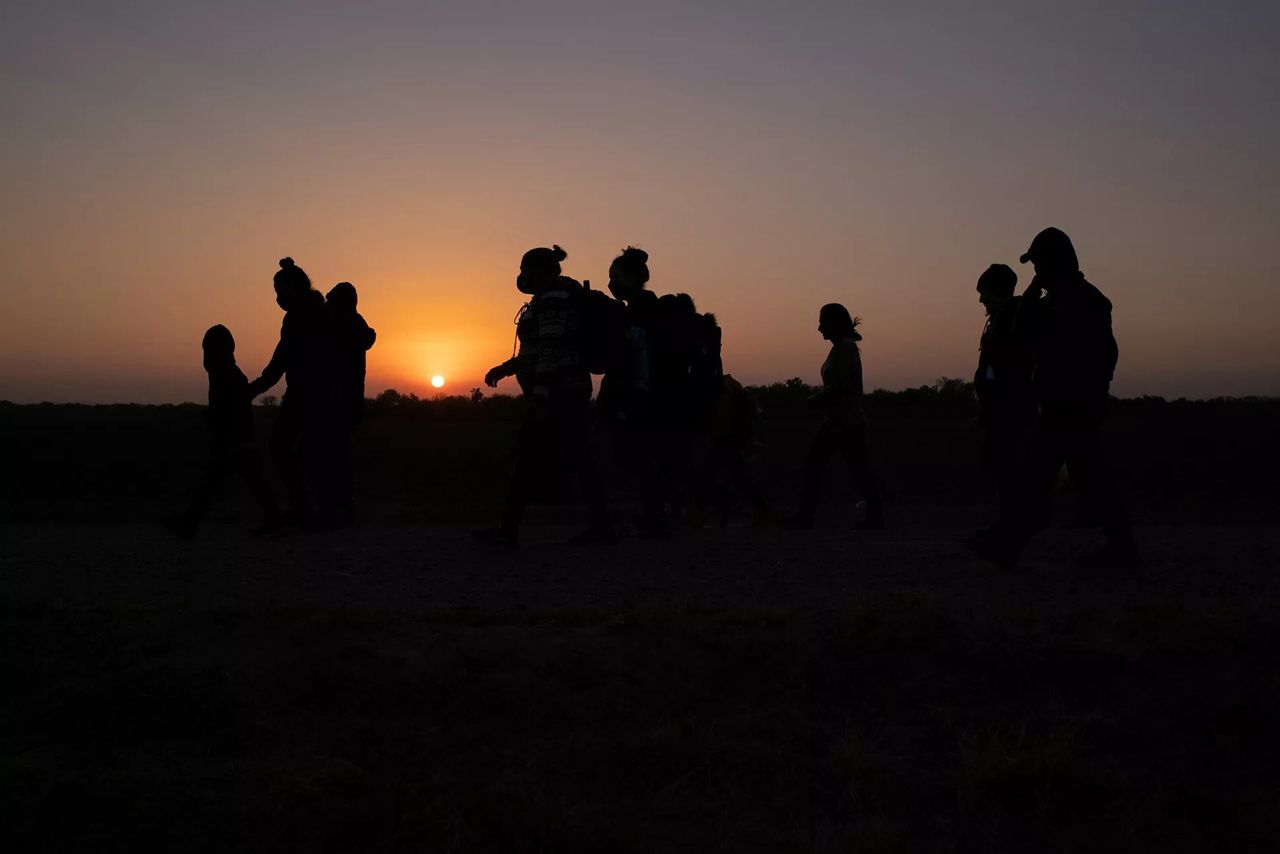
The sun rises as asylum-seeking migrants' families from Honduras and El Salvador walk towards the border wall after crossing the Rio Grande river into the United States from Mexico on a raft, in Penitas, Texas, U.S., March 26, 2021


There are 1.5 million Salvadoreans in the US, compared to six million in El Salvador itself, and another 40,000 live in Honduras, Guatemala or Mexico, often having abandoned the migrant journey north.

Seven out of 10 people in El Salvador do not have bank accounts and President Bukele believes cryptocurrency will make it easier for migrants in the US to send remittances back to their family without having to pay the charges demanded by banks and firms like Western Union.

Remittances - around US$4 billion a year - makes up around a fifth of the country's GDP.


Mr Bukele, a former businessman of Palestinian origin, has portrayed the cryptocurrency move as a way for El Salvador to dig itself out of its economic mire.

"This will improve lives and the future of millions," Mr Bukele told a Bitcoin conference in Florida in June.

President Nayib Bukele holds his ballots as he prepares to vote in local and legislative elections, at a polling station in San Salvador, El Salvador, Sunday, Feb. 28, 2021


But the UCA survey found most Salvadoreans think foreign investors and the country’s wealthy elite will be the only beneficiaries.

"The dean of UCA, Andreu Oliva, said: "What we can see in this survey, in addition to this broad rejection of the implementation of Bitcoin as legal tender, is that for the first time we found a significant disagreement between the population and decisions being made by the Legislative Assembly and the president.There is a lot of concern about the possible negative effects of using Bitcoin."


But if cryptocurrency works in El Salvador, and if it boosts the economy and draws in inward investment, then it could well be copied by other impoverished states like Honduras, Haiti, Zimbabwe, Liberia and Sierra Leone.

Newsletter

Related Articles

Saudi Press
0:00
0:00
Close
Saudi Arabia Criticises Israeli Strikes in Southern Syria Amid Rising Regional Tensions
Egypt and Saudi Arabia Warn Iran’s Actions Threaten Stability Across the Gulf
Saudi Arabia Unveils Comprehensive 2026 Roadmap to Streamline Company Formation
Saudi-UAE Tensions Reveal Emerging Rivalry at the Heart of Gulf Power Dynamics
Saudi Arabia Launches Gulf Maritime Support Initiative to Safeguard Shipping
Saudi Arabia Expands US Military Access as UAE Braces for Prolonged Iran Conflict
Saudi Arabia Expels Iranian Diplomats Amid Escalating Regional Tensions
Saudi Arabia’s Edarat Wins Major Data Centre Deal with Regional Bank
Iran Intensifies Gulf Offensive as Saudi Arabia Intercepts Dozens of Drones
Regional Powers Hold Security Talks as Turkey Seeks New Strategic Pact
Asian Refiners Urge Saudi Arabia to Revise Oil Pricing Mechanism Amid War-Driven Volatility
Gulf States Weigh US Base Access and Military Alignment as Iran War Intensifies
IRGC Claims Strikes on Israel, Kuwait and Saudi Arabia as Conflict Widens
Remains of Fallen Soldier Repatriated Following Death in Saudi Arabia
Saudi Arabia Intercepts Multiple Drones Amid Continued Iranian-Linked Attacks
Iran Tensions Challenge Saudi Arabia’s Strategic Shift to Red Sea Oil Exports
Saudi Arabia Turns to Alternative Export Routes as Hormuz Disruption Strains Oil Flows
Saudi Arabia and UAE Move Closer to Backing US-Israeli Campaign Against Iran
Saudi Arabia Signals Readiness for Military Response as Iran Tensions Escalate
Saudi Arabia Warns Oil Could Surge Beyond $180 as Iran Conflict Disrupts Global Supply
Saudi Arabia Reports Drone Strike on Key Red Sea Refinery in Yanbu
United States Urges Citizens to Leave Saudi Arabia Amid Escalating Regional Conflict
Former Media Executive Chronicles Rise of Saudi Crown Prince in New Book
Saudi Aramco–Exxon Refinery in Yanbu Targeted in Latest Wave of Iranian Attacks
Greek-Operated Patriot System Intercepts Iranian Missiles Over Saudi Arabia
Asian Refiners Urge Saudi Arabia to Revise Oil Pricing as War Upends Markets
Arab and Muslim Ministers Convene in Riyadh to Coordinate Response to Iran Crisis
Saudi Arabia Expands Global Partnerships to Accelerate Vision 2030 Transformation
Europe and Japan Signal Readiness to Help Secure Strait of Hormuz Amid Escalating Crisis
Saudi Arabia Signals Firm Stance as Iranian-Linked Attacks Intensify
U.S. Lawmakers Press Rubio to Enforce Strong Safeguards in Saudi Nuclear Deal
Iran Issues Evacuation Warning to Gulf States After Strike on Major Gas Field
Saudi Arabia to Convene Arab and Islamic Ministers for Urgent Talks on Regional Conflict
Saudi Arabia Confirms Eid al-Fitr as Moon Sighting Determines End of Ramadan
Saudi Arabia Boosts Crude Exports to Highest Levels Since 2023, Data Shows
Iran Issues Warning to Gulf Energy Infrastructure Following Strike on Major Gas Field
Saudi Arabia Restarts Ras Tanura Refinery Following Drone Strike, Reinforcing Energy Resilience
Saudi Arabia Intercepts Ballistic Missiles Targeting Riyadh Amid Escalating Regional Tensions
Saudi Arabia Restores Significant Oil Flows Using Hormuz Bypass Amid Regional Tensions
Saudi Arabia Signals Potential Activation of Defence Pact with Pakistan Amid Escalating Iran Conflict
Saudi Supreme Court Urges Muslims to Observe Crescent Moon for Eid Determination
Saudi Arabia Reassesses Iran Strategy as Regional Conflict Tests MBS’s Diplomatic Bet
Iran Steps Up Drone Strikes on Saudi Oil Sites, Heightening Risks to Global Supply
Regional Fallout Grows as Iran Conflict Sends Shockwaves Across Jordan, Saudi Arabia, and Egypt
Saudi Arabia Intercepts Seven Drones in Intensifying Regional Security Threat
Saudi Arabia Weighs Regional Risks as Iran Conflict Deepens and Security Calculations Shift
×