Saudi Press

Saudi Arabia and the world
Tuesday, Jan 13, 2026

SpaceX: Space storm destroys 40 of Elon Musk's Starlink satellites

SpaceX: Space storm destroys 40 of Elon Musk's Starlink satellites

The vast majority of satellites launched last week will fall back to Earth and burn up rather than go into orbit, SpaceX says - "at a considerable cost to us".

SpaceX has confirmed that a geomagnetic storm destroyed most of the Starlink satellites it launched last Friday.

Elon Musk's company said that 40 of its 49 satellites were going to fall back to Earth - though they are designed to burn up on re-entry - after a space storm "significantly impacted" them.

They were part of a planned satellite constellation that is intended to eventually provide constant internet coverage for most of the world.
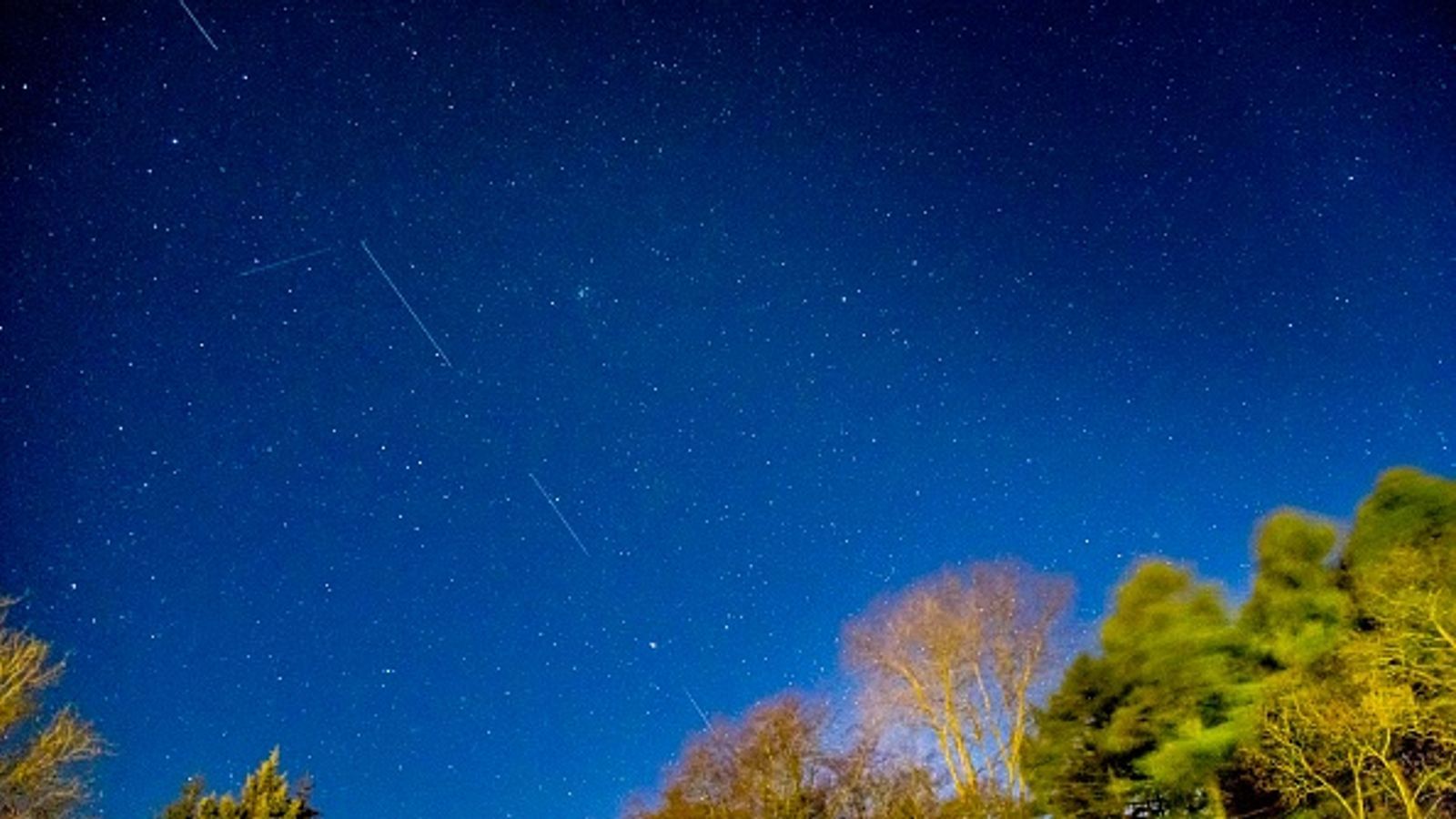
Starlink's satellites have been accused of 'ruining the night sky' for astronomers


What is Starlink?


The Starlink project is intended to provide broadband-speed internet access across the planet and generate cash for Musk's other space ambitions.

Musk said: "We think this is a key stepping stone on the way towards establishing a self-sustaining city on Mars and a base on the moon."

The company has already launched 2,000 satellites and has permission from the US authorities to send up 12,000 in total.

But critics fear that the fleet of satellites will ruin the night sky for astronomers attempting to observe distant parts of the universe.

SpaceX says it is darkening its satellites with a software upgrade so they will fly with their "knife edge" to the sun to minimise reflections.
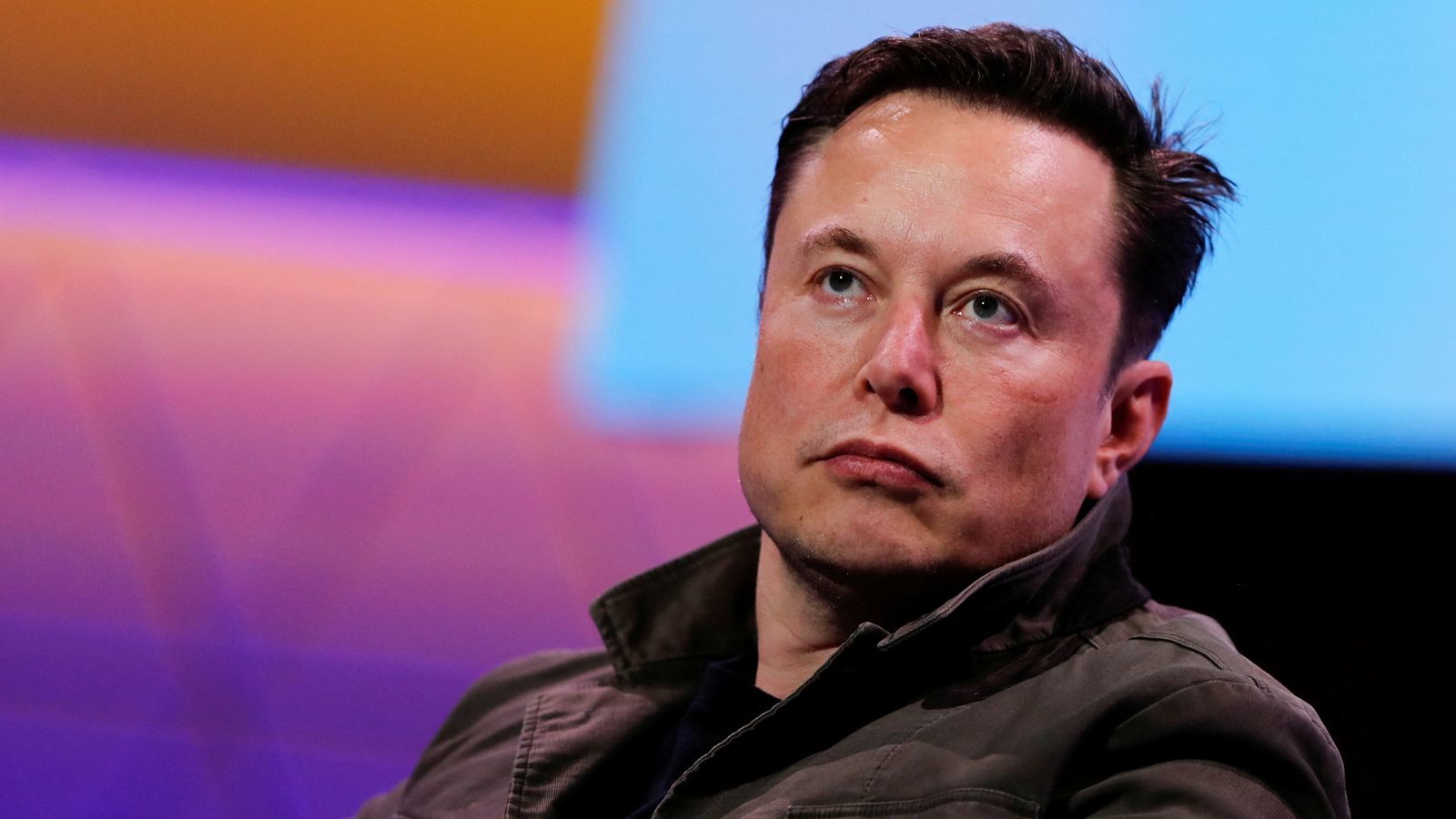
Elon Musk plans to use the money from Starlink to fund missions to Mars


What happened?


The storm, which was caused by solar activity, made the Earth's atmosphere warm and expand.

This is not in itself unusual, and the impact of a geomagnetic storm on de-orbiting spacecraft has also been cited as a concern by NASA in its plan to crash the International Space Station into a "spacecraft cemetery" when it is finally retired.

The denser atmosphere at the initial orbital altitude for the satellites caused atmospheric drag to increase up to 50% higher than SpaceX had seen in previous launches, the company said.

Ultimately this means that "up to 40 of the satellites will re-enter or already have re-entered the Earth's atmosphere", it said.

The satellites posed no risk to Earth, the company added.

"The de-orbiting satellites pose zero collision risk with other satellites and by design demise upon atmospheric re-entry - meaning no orbital debris is created and no satellite parts hit the ground."

The company said that it deployed its satellites into lower orbits "so that in the very rare case any satellite does not pass initial system checkouts it will quickly be de-orbited by atmospheric drag".

"While the low deployment altitude requires more capable satellites at a considerable cost to us, it’s the right thing to do to maintain a sustainable space environment," it added.

Newsletter

Related Articles

Saudi Press
0:00
0:00
Close
Trump Designates Saudi Arabia a Major Non-NATO Ally, Elevating US–Riyadh Defense Partnership
Trump Organization Deepens Saudi Property Focus with $10 Billion Luxury Developments
There is no sovereign immunity for poisoning millions with drugs.
Mohammed bin Salman’s Global Standing: Strategic Partner in Transition Amid Debate Over His Role
Saudi Arabia Opens Property Market to Foreign Buyers in Landmark Reform
The U.S. State Department’s account in Persian: “President Trump is a man of action. If you didn’t know it until now, now you do—do not play games with President Trump.”
CNN’s Ranking of Israel’s Women’s Rights Sparks Debate After Misleading Global Index Comparison
Saudi Arabia’s Shifting Regional Alignment Raises Strategic Concerns in Jerusalem
OPEC+ Holds Oil Output Steady Amid Member Tensions and Market Oversupply
Iranian Protests Intensify as Another Revolutionary Guard Member Is Killed and Khamenei Blames the West
President Trump Says United States Will Administer Venezuela Until a Secure Leadership Transition
Delta Force Identified as Unit Behind U.S. Operation That Captured Venezuela’s President
Trump Announces U.S. Large-Scale Strike on Venezuela, Declares President Maduro and Wife Captured
Saudi-UAE Rift Adds Complexity to Middle East Diplomacy as Trump Signals Firm Leadership
OPEC+ to Keep Oil Output Policy Unchanged Despite Saudi-UAE Tensions Over Yemen
Saudi Arabia and UAE at Odds in Yemen Conflict as Southern Offensive Deepens Gulf Rift
Abu Dhabi ‘Capital of Capital’: How Abu Dhabi Rose as a Sovereign Wealth Power
Diamonds Are Powering a New Quantum Revolution
Trump Threatens Strikes Against Iran if Nuclear Programme Is Restarted
Why Saudi Arabia May Recalibrate Its US Spending Commitments Amid Rising China–America Rivalry
Riyadh Air’s First Boeing 787-9 Dreamliner Completes Initial Test Flight, Advancing Saudi Carrier’s Launch
Saudi Arabia’s 2025: A Pivotal Year of Global Engagement and Domestic Transformation
Saudi Arabia to Introduce Sugar-Content Based Tax on Sweetened Drinks from January 2026
Saudi Hotels Prepare for New Hospitality Roles as Alcohol Curbs Ease
Global Airports Forum Highlights Saudi Arabia’s Emergence as a Leading Aviation Powerhouse
Saudi Arabia Weighs Strategic Choice on Iran Amid Regional Turbulence
Not Only F-35s: Saudi Arabia to Gain Access to the World’s Most Sensitive Technology
Saudi Arabia Condemns Sydney Bondi Beach Shooting and Expresses Solidarity with Australia
Washington Watches Beijing–Riyadh Rapprochement as Strategic Balance Shifts
Saudi Arabia Urges Stronger Partnerships and Efficient Aid Delivery at OCHA Donor Support Meeting in Geneva
Saudi Arabia’s Vision 2030 Drives Measurable Lift in Global Reputation and Influence
Alcohol Policies Vary Widely Across Muslim-Majority Countries, With Many Permitting Consumption Under Specific Rules
Saudi Arabia Clarifies No Formal Ban on Photography at Holy Mosques for Hajj 2026
Libya and Saudi Arabia Sign Strategic MoU to Boost Telecommunications Cooperation
Elon Musk’s xAI Announces Landmark 500-Megawatt AI Data Center in Saudi Arabia
Israel Moves to Safeguard Regional Stability as F-35 Sales Debate Intensifies
Cardi B to Make Historic Saudi Arabia Debut at Soundstorm 2025 Festival
U.S. Democratic Lawmakers Raise National Security and Influence Concerns Over Paramount’s Hostile Bid for Warner Bros. Discovery
Hackers Are Hiding Malware in Open-Source Tools and IDE Extensions
Traveling to USA? Homeland Security moving toward requiring foreign travelers to share social media history
Wall Street Analysts Clash With Riyadh Over Saudi Arabia’s Deficit Outlook
Trump and Saudi Crown Prince Cement $1 Trillion-Plus Deals in High-Profile White House Summit
Saudi Arabia Opens Alcohol Sales to Wealthy Non-Muslim Residents Under New Access Rules
U.S.–Saudi Rethink Deepens — Washington Moves Ahead Without Linking Riyadh to Israel Normalisation
Saudi Arabia and Israel Deprioritise Diplomacy: Normalisation No Longer a Middle-East Priority
Saudi Arabia Positions Itself as the Backbone of the Global AI Era
As Trump Deepens Ties with Saudi Arabia, Push for Israel Normalization Takes a Back Seat
Thai Food Village Debuts at Saudi Feast Food Festival 2025 Under Thai Commerce Minister Suphajee’s Lead
Saudi Arabia Sharpens Its Strategic Vision as Economic Transformation Enters New Phase
Saudi Arabia Projects $44 Billion Budget Shortfall in 2026 as Economy Rebalances
×