Southern Yemeni Separatists Reject Saudi Call to Withdraw from Eastern Provinces
The UAE-backed Southern Transitional Council defies Riyadh’s demand to pull back from Hadramout and Mahra, citing security concerns and autonomy goals
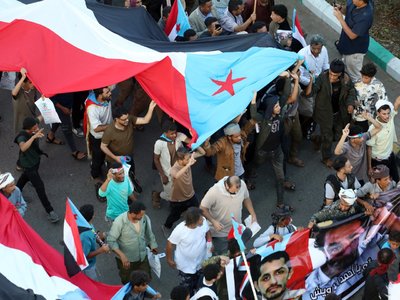
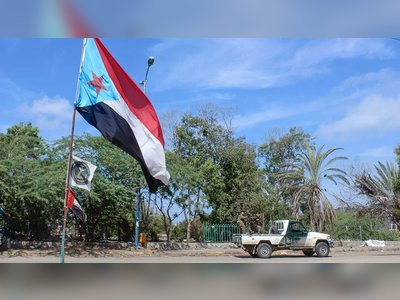
Yemen’s principal southern separatist faction has firmly rejected a Saudi government appeal to withdraw its forces from the strategically important eastern governorates of Hadramout and Mahra, asserting that its deployment is essential for local security and broader political aims.
The Southern Transitional Council, which controls much of southern Yemen and is backed by the United Arab Emirates, announced on Friday that it would maintain its presence in the two oil-rich provinces seized earlier in December, rejecting Riyadh’s demand that it pull back in the interest of coalition unity and national stability.
Saudi Arabia’s call for withdrawal, issued on Thursday, was part of diplomatic efforts to defuse tensions within the anti-Houthi alliance and restore pre-seizure arrangements after the STC’s rapid territorial gains, which also displaced forces aligned with Yemen’s internationally recognised government.
In a statement, the STC characterised its military deployment as necessary to counter security threats, including attempts to subsidise logistics to Iran-aligned Houthi forces in the north, and emphasised its openness to discussions that would safeguard southern Yemen’s stability, autonomy and “shared interests” with Saudi Arabia.
The group also condemned reported Saudi airstrikes near its positions in Hadramout, saying such operations would not advance peace or understanding in the conflict-ravaged country.
Riyadh has not formally confirmed the air operations but has reiterated its desire for restraint and cooperation among Yemen’s warring factions.
The United Arab Emirates, while supporting Saudi calls for stability, has underscored its ongoing commitment to backing security and development efforts across Yemen without explicitly endorsing the withdrawal demand.
Analysts say the STC’s refusal to retreat highlights deepening fractures within the anti-Houthi coalition, complicating efforts to maintain a united front against the northern insurgents and raising concerns over the potential for further internal conflict in a nation already enduring one of the world’s longest-running civil wars.
The Southern Transitional Council, which controls much of southern Yemen and is backed by the United Arab Emirates, announced on Friday that it would maintain its presence in the two oil-rich provinces seized earlier in December, rejecting Riyadh’s demand that it pull back in the interest of coalition unity and national stability.
Saudi Arabia’s call for withdrawal, issued on Thursday, was part of diplomatic efforts to defuse tensions within the anti-Houthi alliance and restore pre-seizure arrangements after the STC’s rapid territorial gains, which also displaced forces aligned with Yemen’s internationally recognised government.
In a statement, the STC characterised its military deployment as necessary to counter security threats, including attempts to subsidise logistics to Iran-aligned Houthi forces in the north, and emphasised its openness to discussions that would safeguard southern Yemen’s stability, autonomy and “shared interests” with Saudi Arabia.
The group also condemned reported Saudi airstrikes near its positions in Hadramout, saying such operations would not advance peace or understanding in the conflict-ravaged country.
Riyadh has not formally confirmed the air operations but has reiterated its desire for restraint and cooperation among Yemen’s warring factions.
The United Arab Emirates, while supporting Saudi calls for stability, has underscored its ongoing commitment to backing security and development efforts across Yemen without explicitly endorsing the withdrawal demand.
Analysts say the STC’s refusal to retreat highlights deepening fractures within the anti-Houthi coalition, complicating efforts to maintain a united front against the northern insurgents and raising concerns over the potential for further internal conflict in a nation already enduring one of the world’s longest-running civil wars.