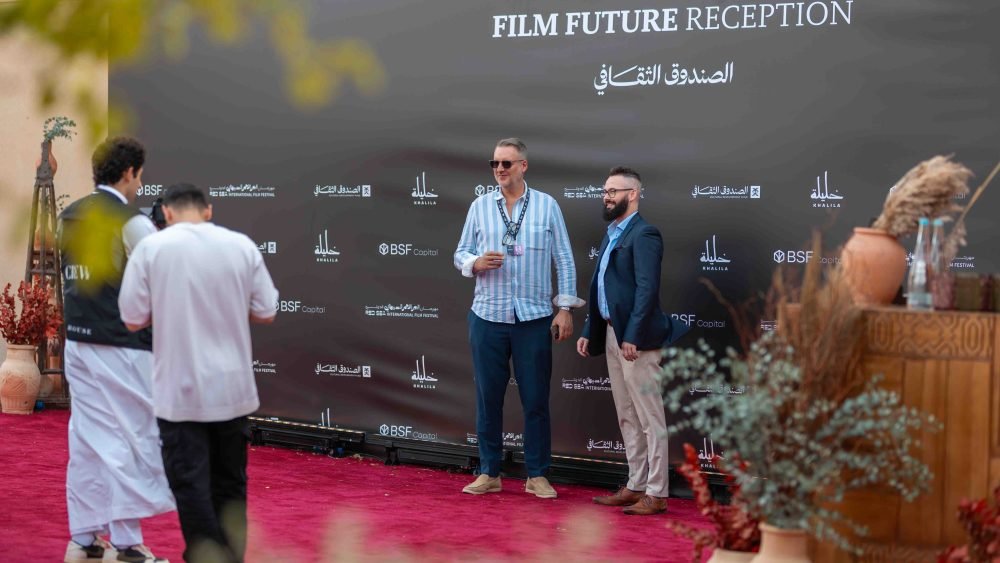
Saudi Arabia Uses Red Sea Film Festival to Spotlight Its Rapidly Expanding Cinema Industry
At its fifth edition in Jeddah, the Red Sea International Film Festival underscores the Kingdom’s strategic investment in film, global partnerships and cultural influence.
Saudi Arabia’s Red Sea International Film Festival has emerged as a defining showcase for the nation’s swiftly growing film industry, drawing filmmakers, investors and global stars to Jeddah in an effort to position the Kingdom as a cultural and cinematic hub.
The 2025 edition of the festival — taking place in the historic Al Balad district from December 4 to 13 — features screenings from more than seventy countries and programmed films across competitive and non-competitive sections, reflecting a broad commitment to cinematic diversity.
Saudi officials and industry figures have used the event to underline the depth of domestic and international collaboration now shaping the local industry, from funding and mentorship initiatives to market-driven networking through the Red Sea Souk, the industry marketplace that runs alongside the festival and connects producers, financiers and creators from the Middle East, Africa and Asia.
Established by the Red Sea Film Festival Foundation with strong support from the Saudi Ministry of Culture, the event functions not only as a festival but as an engine for industry growth, supporting film labs, development programmes and professional pipelines that nurture emerging talent.
The presence of high-profile attendees — including internationally acclaimed directors, actors and producers — signals the increasing global relevance of the Saudi film scene, which has grown rapidly since cinemas reopened in the Kingdom in 2018 and more than sixty new venues have opened nationwide.
Festival speeches and panels have emphasised cinema’s role in cultural exchange and economic diversification, consistent with Saudi Vision 2030’s objective to expand the creative economy and build cultural infrastructure that attracts international investment and collaboration.
Saudi and regional filmmakers are showcasing local narratives alongside international works, demonstrating the festival’s dual mission of celebrating global storytelling while elevating regional voices.
In tandem with screenings and awards, festival programming highlights the Red Sea Fund’s backing of creative projects and the Souk’s role in catalysing co-productions, grant awards and market visibility for projects at various stages of development.
Participants describe the festival as a platform where young Saudi talent can engage directly with global counterparts, learn industry practices and build careers within a rapidly evolving ecosystem.
Through these initiatives and its growing international profile, the Red Sea Film Festival serves as a key pillar in Saudi Arabia’s cultural strategy, reflecting both the ambition of its investment in creative industries and its desire to foster cinematic collaboration that resonates far beyond the Kingdom’s borders.
The 2025 edition of the festival — taking place in the historic Al Balad district from December 4 to 13 — features screenings from more than seventy countries and programmed films across competitive and non-competitive sections, reflecting a broad commitment to cinematic diversity.
Saudi officials and industry figures have used the event to underline the depth of domestic and international collaboration now shaping the local industry, from funding and mentorship initiatives to market-driven networking through the Red Sea Souk, the industry marketplace that runs alongside the festival and connects producers, financiers and creators from the Middle East, Africa and Asia.
Established by the Red Sea Film Festival Foundation with strong support from the Saudi Ministry of Culture, the event functions not only as a festival but as an engine for industry growth, supporting film labs, development programmes and professional pipelines that nurture emerging talent.
The presence of high-profile attendees — including internationally acclaimed directors, actors and producers — signals the increasing global relevance of the Saudi film scene, which has grown rapidly since cinemas reopened in the Kingdom in 2018 and more than sixty new venues have opened nationwide.
Festival speeches and panels have emphasised cinema’s role in cultural exchange and economic diversification, consistent with Saudi Vision 2030’s objective to expand the creative economy and build cultural infrastructure that attracts international investment and collaboration.
Saudi and regional filmmakers are showcasing local narratives alongside international works, demonstrating the festival’s dual mission of celebrating global storytelling while elevating regional voices.
In tandem with screenings and awards, festival programming highlights the Red Sea Fund’s backing of creative projects and the Souk’s role in catalysing co-productions, grant awards and market visibility for projects at various stages of development.
Participants describe the festival as a platform where young Saudi talent can engage directly with global counterparts, learn industry practices and build careers within a rapidly evolving ecosystem.
Through these initiatives and its growing international profile, the Red Sea Film Festival serves as a key pillar in Saudi Arabia’s cultural strategy, reflecting both the ambition of its investment in creative industries and its desire to foster cinematic collaboration that resonates far beyond the Kingdom’s borders.