Saudi Stocks Slide Sharply Leaving Traders Cautious on Outlook for 2026
Benchmark Tadawul Index posts significant annual losses in 2025 as market grapples with oil volatility, geopolitical pressures and broader headwinds
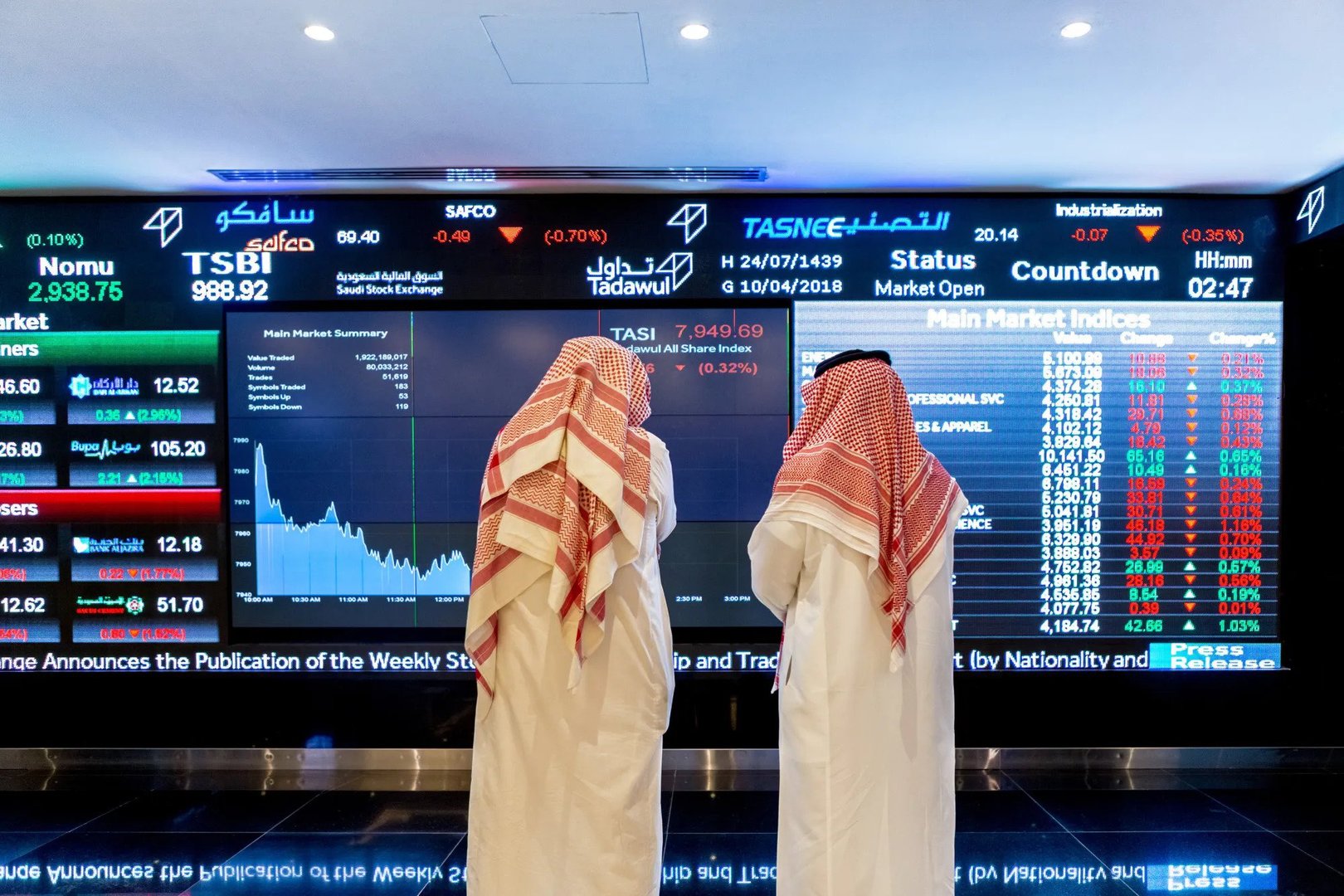
Saudi Arabia’s stock market is concluding a difficult year in 2025, with traders increasingly cautious about prospects in 2026 after the benchmark Tadawul All Share Index (TASI) recorded notable declines over the past twelve months.
Data tracking the market shows the index has fallen around eleven percent year-on-year, illustrating a sustained downward trend that has tempered earlier optimism and strained investor sentiment.
Over recent sessions, TASI hovered lower than a year ago even as it posted modest gains on select days, reflecting broader volatility and subdued trading conditions.
:contentReference[oaicite:0]{index=0}
The slide in Saudi equities has been attributed to an array of structural and cyclical pressures.
In the first eight months of 2025, the benchmark index declined more than eleven percent, with financials, energy and other key sectors among the heaviest laggards.
Analysts point to several factors behind this performance, including persistent oil price volatility, shifting global trade dynamics and caution among both domestic and foreign investors awaiting clearer macroeconomic signals.
:contentReference[oaicite:1]{index=1}
This trend extends broader patterns seen earlier in the year, when the market endured steep one-day losses and widespread sell-offs linked to global trade tensions.
Sharp drops—including an episode where the index fell by more than six percent in a single session—highlighted how external economic pressures can rapidly transmit to Gulf capital markets.
While such extremes were episodic, they underscored structural vulnerabilities that traders have factored into year-end assessments.
:contentReference[oaicite:2]{index=2}
Despite this challenging performance, policy makers and market officials have continued efforts to bolster liquidity and long-term appeal.
Broader financial reforms aimed at opening up the market to more foreign participation and enhancing technological infrastructure for trading are expected to play a role in supporting sentiment.
Saudi Arabia’s Vision 2030 plan emphasises diversification of the economy beyond oil and deepening capital markets as part of that strategy, even as near-term price action remains mixed.
:contentReference[oaicite:3]{index=3}
As traders look ahead to 2026, the interplay between oil prices, global monetary conditions and investor confidence will be key determinants of market direction.
With structural reforms still in progress and geopolitical uncertainties lingering across the region, many market participants are bracing for continued volatility in the months ahead, watching for catalysts that might reverse the year’s losses while remaining mindful of the structural headwinds that have shaped this difficult year for Saudi stocks.
Data tracking the market shows the index has fallen around eleven percent year-on-year, illustrating a sustained downward trend that has tempered earlier optimism and strained investor sentiment.
Over recent sessions, TASI hovered lower than a year ago even as it posted modest gains on select days, reflecting broader volatility and subdued trading conditions.
:contentReference[oaicite:0]{index=0}
The slide in Saudi equities has been attributed to an array of structural and cyclical pressures.
In the first eight months of 2025, the benchmark index declined more than eleven percent, with financials, energy and other key sectors among the heaviest laggards.
Analysts point to several factors behind this performance, including persistent oil price volatility, shifting global trade dynamics and caution among both domestic and foreign investors awaiting clearer macroeconomic signals.
:contentReference[oaicite:1]{index=1}
This trend extends broader patterns seen earlier in the year, when the market endured steep one-day losses and widespread sell-offs linked to global trade tensions.
Sharp drops—including an episode where the index fell by more than six percent in a single session—highlighted how external economic pressures can rapidly transmit to Gulf capital markets.
While such extremes were episodic, they underscored structural vulnerabilities that traders have factored into year-end assessments.
:contentReference[oaicite:2]{index=2}
Despite this challenging performance, policy makers and market officials have continued efforts to bolster liquidity and long-term appeal.
Broader financial reforms aimed at opening up the market to more foreign participation and enhancing technological infrastructure for trading are expected to play a role in supporting sentiment.
Saudi Arabia’s Vision 2030 plan emphasises diversification of the economy beyond oil and deepening capital markets as part of that strategy, even as near-term price action remains mixed.
:contentReference[oaicite:3]{index=3}
As traders look ahead to 2026, the interplay between oil prices, global monetary conditions and investor confidence will be key determinants of market direction.
With structural reforms still in progress and geopolitical uncertainties lingering across the region, many market participants are bracing for continued volatility in the months ahead, watching for catalysts that might reverse the year’s losses while remaining mindful of the structural headwinds that have shaped this difficult year for Saudi stocks.