Saudi Arabia's Vision 2030: Advancing Energy Transition, Sustainability, and Inclusion Amid Regional Challenges
Saudi Arabia's Vision 2030: Advancing Energy Transition, Recycling Innovation, and Inclusive Humanitarian Efforts
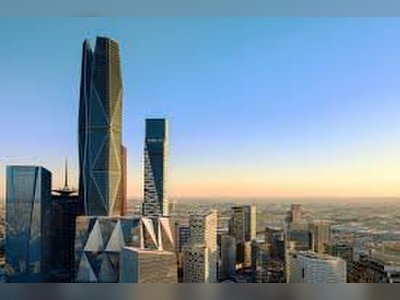
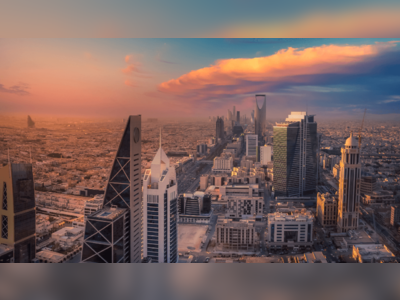
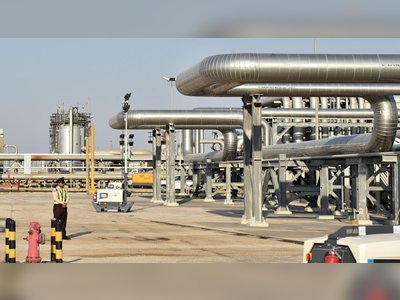
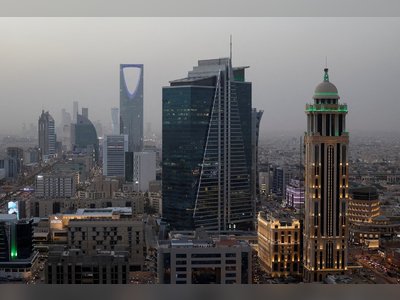
In Saudi Arabia, the energy revolution is in full swing as the nation advances its Vision 2030 by transitioning from oil to gas and renewable energy, as discussed at the recent Saudi Green Initiative Forum in Riyadh. This initiative not only boosts financial success but also ensures energy security and sustainable progress, with a focus on including youth and women in these efforts.
In a related push towards sustainability, Al Qaryan Group has been crowned the "Best Metal Recycling Company in the Middle East" for the sixth year, significantly contributing to Saudi Arabia's Vision 2030. By processing over 1.2 million tons of metals annually, the company plays a vital role in reducing energy consumption and carbon emissions.
Shifting to regional security news, Brigadier General Turki Al-Maliki clarified that accusations concerning the handover of a Houthi leader's brother's body are unfounded. He stressed that the coalition's efforts are purely humanitarian, focusing on the dignified recovery and exchange of remains from conflict zones.
On the International Day of Persons with Disabilities, Saudi Arabia launched a campaign to bring attention to invisible disabilities, underscoring the importance of inclusion and empowerment. This initiative aims to enhance the quality of life for those with psychological and sensory challenges, promoting equal opportunities across society.
Turning our attention to the Palestinian-Israeli conflict, outgoing UN envoy Tor Wennesland criticized global leaders for neglecting long-term solutions for Palestinian statehood. He pointed out that while economic and diplomatic efforts have been made, the essential need for a permanent settlement remains unaddressed, reflecting what he sees as a failure in diplomacy.
Meanwhile, the humanitarian crisis in Gaza deepens as food shortages force Palestinians to endure long lines for essentials amid ongoing conflict. With aid deliveries halted and nearly two million people affected, the situation grows increasingly desperate as international support struggles to reach those in dire need.
In a related push towards sustainability, Al Qaryan Group has been crowned the "Best Metal Recycling Company in the Middle East" for the sixth year, significantly contributing to Saudi Arabia's Vision 2030. By processing over 1.2 million tons of metals annually, the company plays a vital role in reducing energy consumption and carbon emissions.
Shifting to regional security news, Brigadier General Turki Al-Maliki clarified that accusations concerning the handover of a Houthi leader's brother's body are unfounded. He stressed that the coalition's efforts are purely humanitarian, focusing on the dignified recovery and exchange of remains from conflict zones.
On the International Day of Persons with Disabilities, Saudi Arabia launched a campaign to bring attention to invisible disabilities, underscoring the importance of inclusion and empowerment. This initiative aims to enhance the quality of life for those with psychological and sensory challenges, promoting equal opportunities across society.
Turning our attention to the Palestinian-Israeli conflict, outgoing UN envoy Tor Wennesland criticized global leaders for neglecting long-term solutions for Palestinian statehood. He pointed out that while economic and diplomatic efforts have been made, the essential need for a permanent settlement remains unaddressed, reflecting what he sees as a failure in diplomacy.
Meanwhile, the humanitarian crisis in Gaza deepens as food shortages force Palestinians to endure long lines for essentials amid ongoing conflict. With aid deliveries halted and nearly two million people affected, the situation grows increasingly desperate as international support struggles to reach those in dire need.